


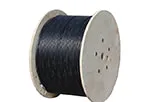
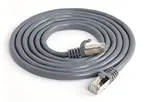
For Cat6A cable meter mark reconciliation, define the purchasing and acceptance boundary. Agree how start and end meter marks will be recorded when purchasing bulk Cat6A cable. A jacket legend can support identification and a stated length check, but its readings need an orientation, unit and defined measurement boundary. Preserve the original reel identity and both endpoint observations. An isolated number on a cut piece is insufficient to explain the delivered length or reconcile a distributor claim.
Specify the marking convention in the order
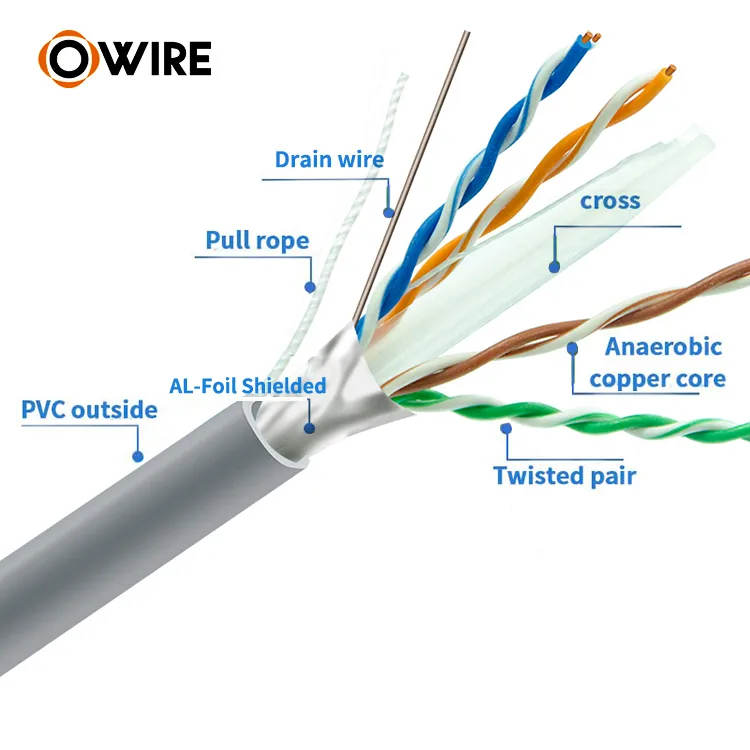
Ask the supplier to confirm the actual marking format, units and direction for the offered cable. A product family name does not establish whether a particular order uses increasing or decreasing legends. Identify the ordered construction, conductor specification, shielding, jacket and reel quantity separately. Where the project requires a particular marking convention or custom legend, send the exact requirement for feasibility review. Keep a proposed print example distinct from the approved production instruction and retain its revision with the purchase specification.
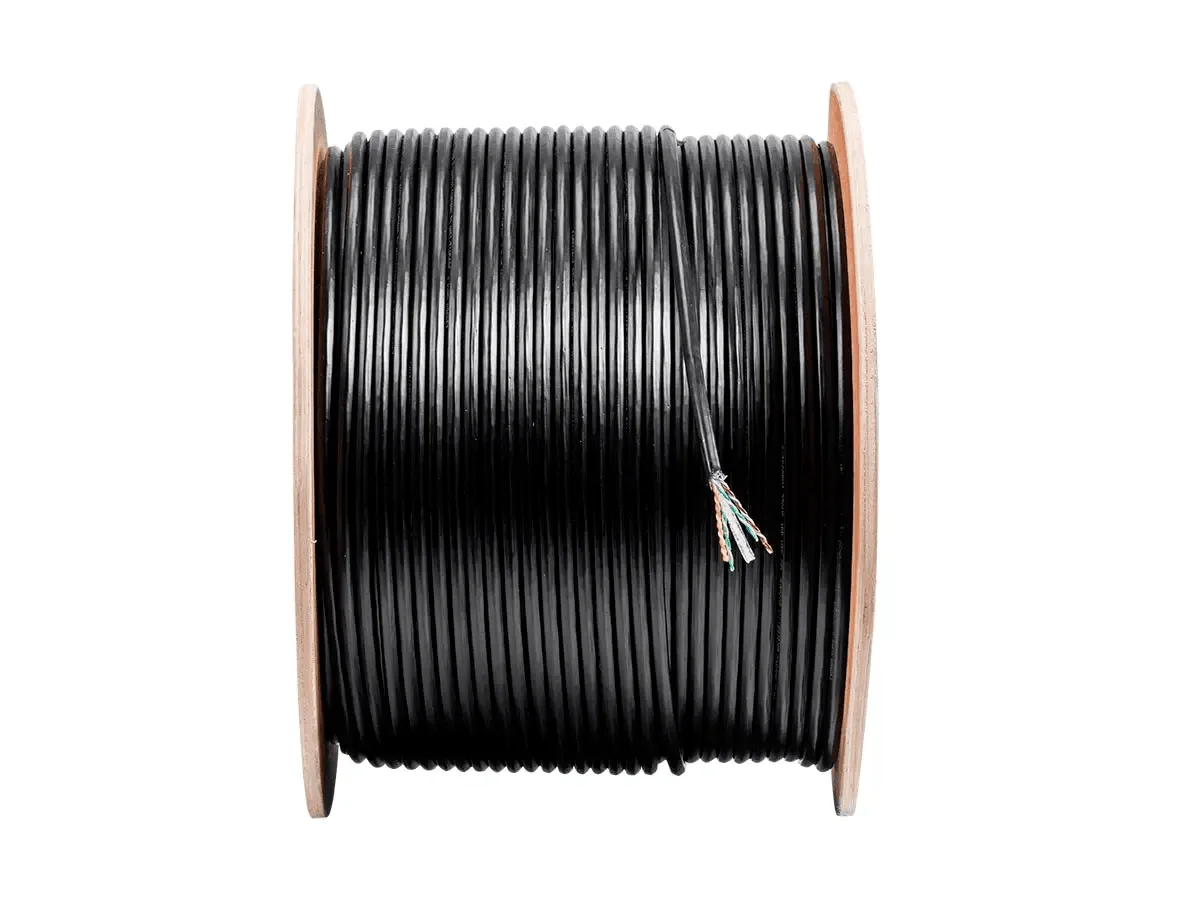
Record both endpoints against one reel identity
At the agreed inspection point, record the visible start and end readings, the unit and the reel or carton reference. Have the inspection owner define what counts as each endpoint when an unreadable or unmarked section is present. A photograph should show the actual observation and enough identity to connect it to the shipment. Do not combine a start reading from one reel with an end reading from another. Preserve any break in the number sequence as an observation requiring review.
Separate the jacket legend from independent length evidence
If the parties require an independent length verification, agree the method, applicable tolerance and responsible inspector in advance. A difference between two printed numbers does not automatically replace that verification. Keep any unreadable legends, extra tails or cutting losses within the stated scope. Do not infer installation channel performance from a reel-length observation. Cat6A electrical performance, conductor construction and project suitability require their own specified evidence, with the appropriate test identity and configuration connected to the actual offered cable.

Plan a clear discrepancy disposition
If the observations and order documents disagree, retain the reel identity, endpoint images and inspection record before material is split among sites. Ask the supplier and buyer reviewer to resolve the difference against the agreed method. A partial reel or a returned cut length requires its own record. Send OWIRE the cable construction, quantities, reel plan, legend requirement, destination and delivery schedule. This keeps the quote and receiving process aligned without inventing a universal allowance for missing or extra cable.
Compare the proposed supply and its evidence
| Buyer need | Recommended product | Key specification | Why it matters |
|---|---|---|---|
| Approved meter-mark convention | Identified project cable configuration | Order-specific scope and responsible reviewer | Connects the record to the item being purchased |
| Reel-linked start and end readings | Identified project cable configuration | Order-specific scope and responsible reviewer | Makes an important comparison condition visible |
| Independent length-check boundary | Identified project cable configuration | Order-specific scope and responsible reviewer | Separates observation from an assumption |
| Documented discrepancy disposition | Identified project cable configuration | Order-specific scope and responsible reviewer | Preserves the accepted delivery decision |
Best for defined industrial projects
Best for engineering teams, industrial purchasing managers and distributors preparing an identified project cable order. Suitable for a project with a documented application, quantity, technical owner and acceptance procedure. Not suitable for inferring a universal equipment capability, fixed commercial term or verified order result from a catalog image. Confirm the offered configuration and the project-specific evidence before approving production supply.
Buyer questions before requesting a quotation
What information should accompany the first RFQ?
Describe the application, destination, proposed configuration, quantity and target delivery date. Include the approved meter-mark convention and identify the person who owns technical approval. Send the relevant drawings, process information or specification revision when available. Ask the supplier to return a proposal that distinguishes confirmed requirements from assumptions, exclusions and options, so the industrial purchase can be reviewed against a clear scope.
Does a general catalog establish this acceptance requirement?
A general catalog provides product context and can help identify the family to discuss. It does not establish the reel-linked start and end readings for the actual order. Ask the supplier to confirm the proposed arrangement and the evidence that will accompany it. Keep product identity, a requested feature, a completed demonstration and the final acceptance decision separate when assessing whether the requirement has been met.
Which documents should the buyer retain?
Retain the accepted technical offer, applicable configuration and revision identities, relevant inspection records and the delivery disposition. Preserve the independent length-check boundary together with any deviation and its review. The useful record connects an observation with the actual supplied item and requirement. An unrelated brochure, image or unconfirmed numerical claim should not replace the evidence specifically required for the project purchase.
Can the documentation and supply scope be customized?
Submit the requested documentation, packaging, identification or other supply change with the inquiry. Include the documented discrepancy disposition and explain the intended use. Ask OWIRE to confirm feasibility, quantity conditions and the effect on price or delivery in the actual proposal. Keep the agreed revision with the order rather than assuming that every requested customization is standard or already included.
How should technical approval and delivery be scheduled?
Close the technical scope, approval owner and outstanding questions before requesting a firm production commitment. Include the approved meter-mark convention, required quantity, destination and target arrival date. Distinguish document review, any agreed evaluation, production completion and transportation. This guide establishes no inventory position, minimum order or fixed lead time; the supplier must confirm those commercial conditions for the actual configuration and project.
Send an identified industrial supply inquiry
For a quotation, provide the application, project country, required quantity, technical specifications, relevant drawings, testing requirements, packaging or OEM needs and target delivery schedule. Identify the unresolved acceptance questions and the person responsible for reviewing the proposal. Contact OWIRE with the project details to request an actual technical and commercial offer. Keep a proposed value clearly labeled until it is confirmed for the supplied configuration.