

**Understanding the 144 Core Fiber Optic Cable Price and What Influences It**
When it comes to modern telecommunications and high-speed data transmission, fiber optic cables are the backbone of connectivity. Among the various configurations available, the **144 core fiber optic cable price** is a common topic for businesses and service providers looking to establish or upgrade their network infrastructure. This type of cable is particularly favored for its high capacity and reliability, making it a go-to solution for large-scale data centers, telecom operators, and enterprise-level networking.
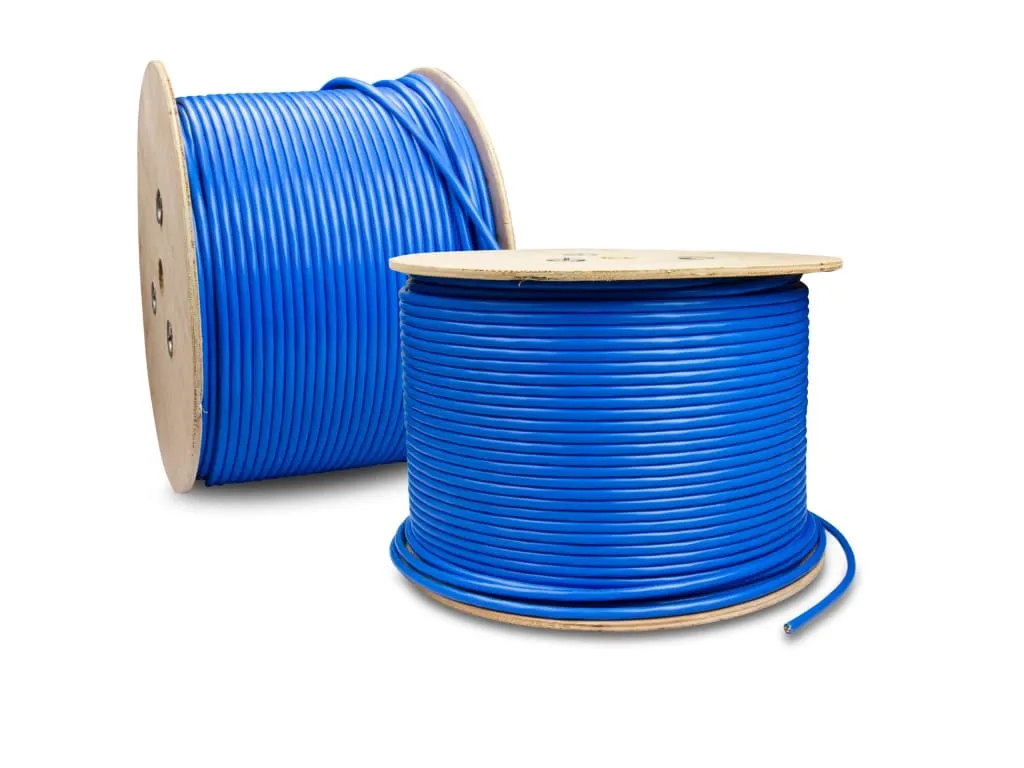
The **144 core fiber optic cable price** can vary significantly depending on several factors, including cable type, material quality, jacketing, and brand reputation. Unlike smaller fiber counts, such as 12 or 24 cores, a 144 core cable is designed for environments that demand massive bandwidth and scalability. These cables are often used in backbone networks, metropolitan area networks (MANs), and long-haul communication systems where future expansion is a key consideration.
One of the primary determinants of the **144 core fiber optic cable price** is the type of fiber used. Single-mode fiber (SMF) typically costs more than multi-mode fiber (MMF), due to its ability to transmit data over longer distances with minimal signal loss. In addition, the number of fibers per tube, the cable construction (loose tube vs. tight buffer), and whether the cable is aerial, underground, or armored also influence the final cost.
Another important factor is the cable’s compliance with international standards such as ITU-T G.652.D for single-mode fibers or G.651.1 for multi-mode fibers. High-quality cables that meet these standards ensure better performance, longevity, and compatibility with existing network equipment. This is particularly crucial for organizations investing in large-scale infrastructure projects where network downtime or performance issues can lead to significant losses.
The **144 core fiber optic cable price** also reflects the brand and manufacturer. While there are many suppliers in the market offering competitive pricing, not all cables deliver the same level of quality and durability. This is where brands like **OWIRE** stand out. OWIRE is known for manufacturing high-performance fiber optic cables that meet global industry standards while offering cost-effective solutions for a wide range of applications.
OWIRE’s 144 core fiber optic cables are engineered for high-density installations, supporting high-speed data transfer and long-distance transmission. Their cables are constructed with precision, using high-quality materials that ensure resistance to environmental stress, moisture, and mechanical damage. Whether it’s for indoor, outdoor, or hybrid installations, OWIRE provides tailored solutions that match the specific needs of different industries.
In terms of pricing, the **144 core fiber optic cable price** from OWIRE is competitive, especially when considering the brand’s commitment to quality and customer support. While some low-cost alternatives may appear attractive at first glance, they often compromise on performance, durability, and safety. OWIRE, on the other hand, ensures that each cable is rigorously tested before delivery, providing customers with peace of mind and long-term value.
In addition to product quality, OWIRE also offers technical support and customized solutions, which can be invaluable for large-scale deployments. Their team of experts can assist with cable selection, installation guidance, and even future upgrades, making them a reliable partner for telecom companies, internet service providers (ISPs), and enterprise clients.
When evaluating the **144 core fiber optic cable price**, it’s essential to consider total cost of ownership (TCO) rather than just the upfront cost. A higher-priced cable from a reputable brand like OWIRE may offer better longevity, lower maintenance costs, and improved network performance. Over time, these benefits can significantly outweigh the initial investment, especially in mission-critical applications.
Moreover, as the demand for higher bandwidth continues to grow—driven by trends like 5G deployment, cloud computing, and smart city development—the need for high-core-count cables like the 144 core variant is expected to rise. This trend could influence the **144 core fiber optic cable price**, especially as newer technologies and enhanced fiber types enter the market.
For organizations planning to future-proof their network infrastructure, investing in a 144 core fiber optic cable is a strategic decision. It allows for scalability without the need for frequent upgrades, which can be both time-consuming and expensive. With OWIRE’s range of high-quality cables, businesses can ensure they are equipped to handle increasing data demands while maintaining optimal performance and reliability.
In conclusion, the **144 core fiber optic cable price** is influenced by a combination of technical specifications, material quality, and brand reputation. While cost is an important consideration, it should not come at the expense of performance and reliability. OWIRE offers a compelling balance of quality, affordability, and technical support, making it a preferred choice for professionals in the telecommunications and networking industries. By choosing OWIRE, businesses can invest confidently in a solution that supports both current and future connectivity needs.