

In today’s rapidly evolving digital landscape, the demand for faster, more reliable data transmission has never been higher. From streaming high-definition content to supporting complex cloud computing infrastructures, modern communication networks require robust backbone solutions. One such solution that has gained widespread recognition in the telecommunications and data networking industries is **144 strand fiber**. This advanced fiber optic cable configuration offers unparalleled bandwidth capacity, scalability, and performance, making it a go-to choice for large-scale data centers, metropolitan area networks, and long-haul communication systems.
### Understanding 144 Strand Fiber
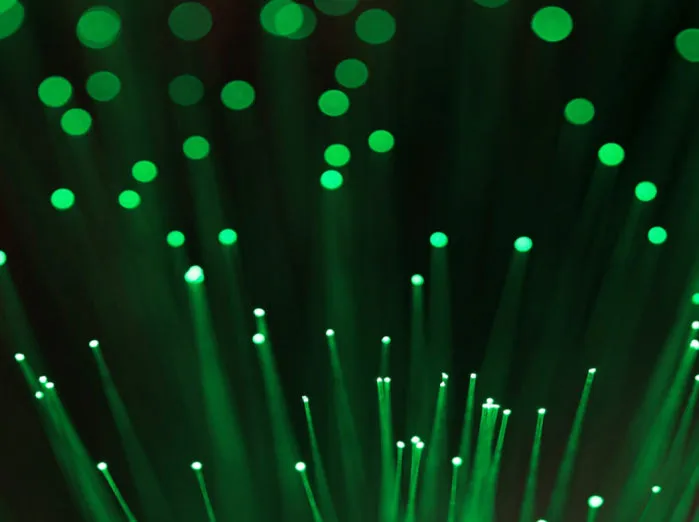
A **144 strand fiber** cable consists of 144 individual optical fibers bundled together within a single protective sheath. Each fiber is capable of transmitting data using pulses of light, allowing for high-speed, low-latency communication over long distances. These fibers are typically grouped into smaller units—such as ribbons or loose tubes—depending on the design and intended application of the cable. The 144-fiber configuration is considered a high-density solution, ideal for environments where space is limited but data throughput needs to be maximized.
One of the primary advantages of 144 strand fiber is its scalability. Network engineers can deploy this type of cable to support current infrastructure needs while reserving additional strands for future expansion. This reduces the need for costly and disruptive upgrades down the line. Additionally, because fiber optic cables are immune to electromagnetic interference and offer significantly lower signal loss compared to traditional copper cables, **144 strand fiber** is a preferred choice for high-performance networks.
### Applications of 144 Strand Fiber
The versatility of **144 strand fiber** makes it suitable for a wide range of applications across various industries. In the telecommunications sector, it is commonly used to connect central offices, cellular towers, and internet service provider (ISP) hubs. Its high strand count allows for the simultaneous transmission of voice, video, and data across multiple channels, ensuring seamless connectivity for millions of users.
In the enterprise space, large corporations and data centers rely on **144 strand fiber** to interconnect servers, storage systems, and networking equipment. As businesses increasingly move toward cloud-based infrastructures and edge computing models, the need for high-capacity fiber solutions has become more pressing. The ability to support multiple network protocols—such as Ethernet, Fibre Channel, and SONET—makes 144 strand fiber an ideal backbone for these environments.
Another growing application for **144 strand fiber** is in smart city initiatives. With the proliferation of IoT devices, surveillance systems, and real-time data analytics, municipalities are turning to fiber optic networks to support their digital transformation goals. The high-density nature of 144 strand fiber allows cities to deploy a single cable that can support multiple services—ranging from traffic management to public safety systems—without the need for redundant cabling.
### Performance Benefits of 144 Strand Fiber
Beyond its high capacity and flexibility, **144 strand fiber** also delivers superior performance characteristics. These cables are designed to meet industry standards for attenuation, tensile strength, and temperature resistance, ensuring reliable operation in a variety of environmental conditions. Whether deployed underground, aerially, or within data center trays, **144 strand fiber** maintains signal integrity and minimizes data loss.
Moreover, with the adoption of advanced modulation techniques and wavelength division multiplexing (WDM), each individual fiber within a **144 strand fiber** cable can carry multiple data streams simultaneously. This further enhances the overall bandwidth of the network without requiring additional physical infrastructure.
### Choosing the Right 144 Strand Fiber Provider
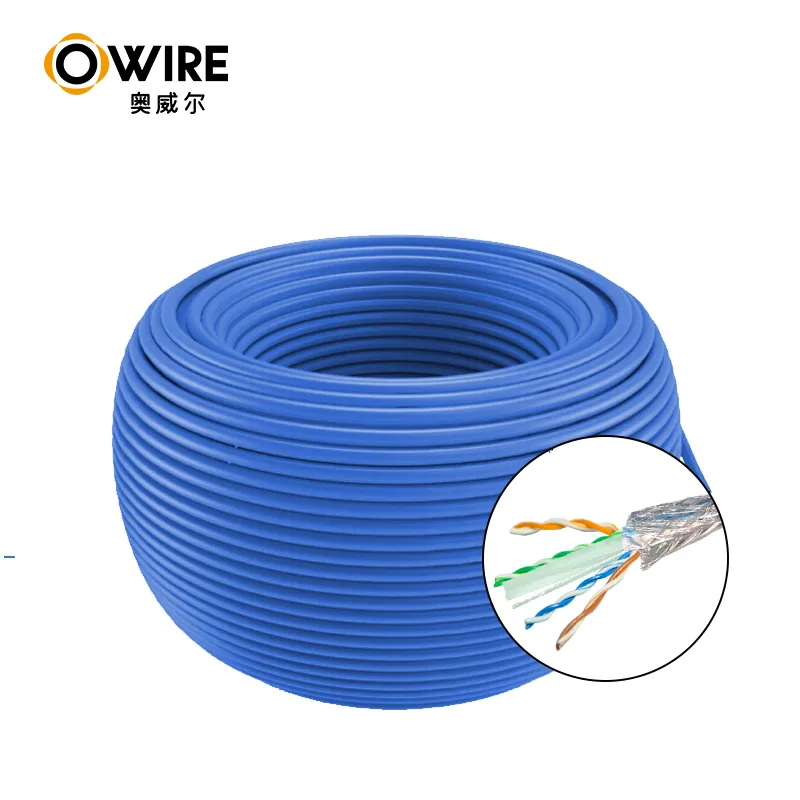
When investing in **144 strand fiber**, it’s crucial to choose a provider that offers high-quality products backed by reliable technical support. One brand that consistently stands out in the fiber optic market is **OWIRE**. Known for its innovative cable designs, strict quality control, and commitment to customer satisfaction, OWIRE delivers **144 strand fiber** solutions tailored to meet the needs of modern communication networks.
OWIRE’s **144 strand fiber** cables are engineered using premium-grade optical fibers and durable outer jackets that protect against moisture, abrasion, and UV exposure. Their products are available in both loose tube and ribbon configurations, allowing customers to choose the best option based on their deployment requirements. Whether for indoor, outdoor, or hybrid applications, OWIRE offers a comprehensive portfolio of fiber optic solutions that combine performance, durability, and ease of installation.
Additionally, OWIRE provides detailed technical documentation, compatibility testing, and responsive customer service, making it easier for network planners and installers to integrate their products into existing or new infrastructure. With a global presence and a growing reputation for excellence, OWIRE is a trusted partner for telecom operators, data center managers, and enterprise IT teams.
### Installation and Maintenance Considerations
While **144 strand fiber** offers numerous benefits, proper installation and maintenance are essential to maximizing its performance and longevity. Due to the high strand count and compact design, specialized tools and techniques are often required to terminate and manage the fibers effectively. Field installers should be trained in fiber splicing, connectorization, and testing procedures to ensure optimal signal transmission.
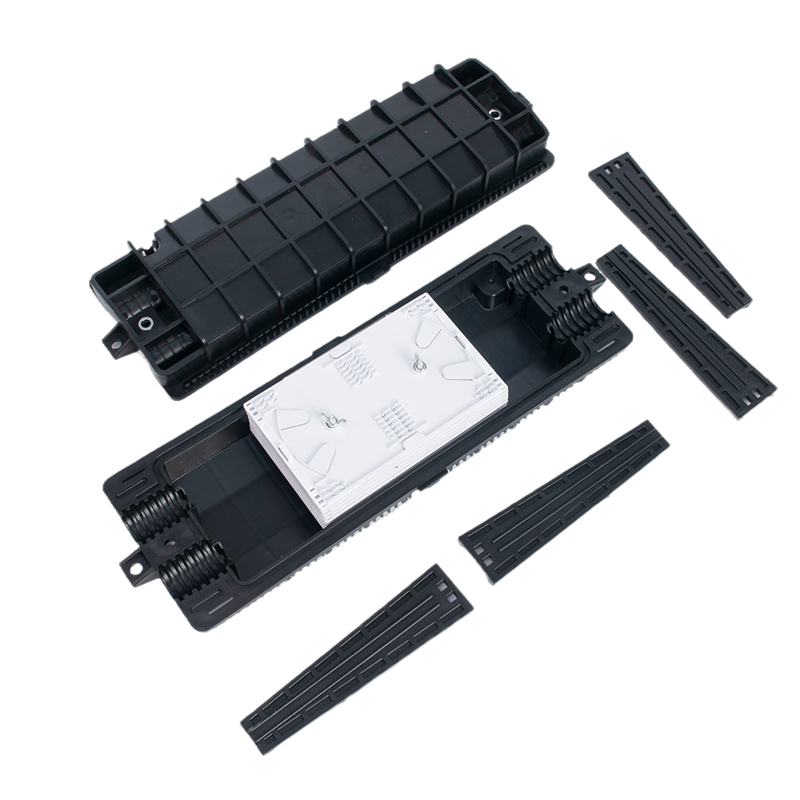
In addition, cable management becomes increasingly important with **144 strand fiber**. Proper labeling, routing, and slack storage help prevent damage and simplify future troubleshooting or upgrades. Many industry professionals recommend using fiber distribution hubs or splice enclosures that are specifically designed for high-density cables like **144 strand fiber**.
Regular maintenance, including periodic inspections and optical time-domain reflectometer (OTDR) testing, can help identify potential issues before they lead to network downtime. By following best practices in installation and maintenance, organizations can ensure that their **144 strand fiber** infrastructure remains a reliable and efficient part of their network for years to come.
### Future-Proofing with 144 Strand Fiber
As the world continues to embrace digital transformation, the demand for faster, more resilient connectivity will only increase. Emerging technologies such as 5G, artificial intelligence, and the Internet of Things (IoT) are driving the need for scalable and high-capacity network infrastructures. In this context, **144 strand fiber** serves as a critical enabler of next-generation communication systems.
By deploying **144 strand fiber** today, organizations can future-proof their networks against the growing demands of tomorrow. Whether expanding an existing fiber network or building a new one from the ground up, investing in high-density fiber solutions like **144 strand fiber** ensures that businesses remain agile and competitive in a data-driven world.
In conclusion, **144 strand fiber** represents a powerful and scalable solution for modern communication networks. Its combination of high capacity, reliability, and adaptability makes it an essential component for telecom providers, data centers, and smart city planners. For those seeking top-tier performance and support, OWIRE offers industry-leading **144 strand fiber** products that deliver on both quality and innovation.