



In the ever-evolving world of telecommunications and data networking, the demand for high-capacity, reliable, and future-proof cabling solutions has never been greater. As data centers expand and global connectivity increases, network engineers and IT professionals are constantly seeking fiber optic cables that can support massive data transmission without compromising on performance or scalability. One such solution that has become a cornerstone in modern infrastructure is the **144f cable**.
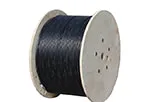
A 144f cable refers to a fiber optic cable that contains **144 individual optical fibers**, each capable of transmitting data at high speeds over long distances. These cables are commonly used in backbone networks, metropolitan area networks (MANs), and large data centers where high-density connectivity is essential. With the growth of cloud computing, IoT (Internet of Things), and 5G networks, the need for cables that can handle massive bandwidth has become critical. The 144f cable meets this need by providing a compact yet powerful solution that supports the infrastructure of tomorrow.
### The Structure and Design of 144f Cable
The 144f cable is typically constructed using multiple **fiber optic ribbons**, each ribbon containing 12 fibers. These ribbons are bundled together and housed within a protective sheath that safeguards the fibers from physical damage, moisture, and environmental stress. The design allows for **high fiber density** in a relatively small diameter, making it easier to manage and install in tight spaces such as cable trays, conduits, and fiber distribution hubs.
There are different types of 144f cables available in the market, including **loose tube**, **tight buffer**, and **armored** versions, each tailored for specific deployment environments. Loose tube cables are commonly used in outdoor applications due to their resistance to temperature variations and moisture. Tight buffer cables, on the other hand, are more suitable for indoor use and offer easier termination. Armored 144f cables provide an extra layer of mechanical protection, making them ideal for harsh environments or direct burial applications.
### Why Choose 144f Cable?
One of the primary reasons for opting for a 144f cable is **scalability**. Network designers can future-proof their infrastructure by installing a high-count fiber cable that can support multiple services and upgrades over time without the need for re-cabling. This reduces both the time and cost associated with network expansions.
Additionally, the **modular design** of 144f cables allows for easy splicing and termination. With ribbon fiber technology, technicians can splice multiple fibers at once using mass fusion splicers, significantly reducing installation time and labor costs. This efficiency is especially valuable in large-scale deployments where time is of the essence.
Another advantage is the **space-saving nature** of these cables. Compared to deploying multiple smaller fiber cables, a single 144f cable takes up less space in cable trays and ducts, which is crucial in crowded data centers or urban telecom environments.
### Applications of 144f Cable
The versatility of the 144f cable makes it suitable for a wide range of applications:
– **Data Centers**: As data centers grow in size and complexity, the need for high-density fiber connections increases. 144f cables are ideal for interconnecting switches, servers, and storage systems within the data center environment.
– **Telecom Backbones**: Telecommunication providers use 144f cables to build robust backbone networks that support high-speed internet, voice, and video services across cities and regions.
– **5G Network Deployment**: With the rollout of 5G technology, there is a growing demand for fiber infrastructure to support the increased number of base stations and the massive data throughput required. 144f cables provide the backbone needed to support this next-generation network.
– **Enterprise Networks**: Large enterprises with multiple buildings or campuses often use 144f cables to ensure seamless and high-capacity connectivity between locations.
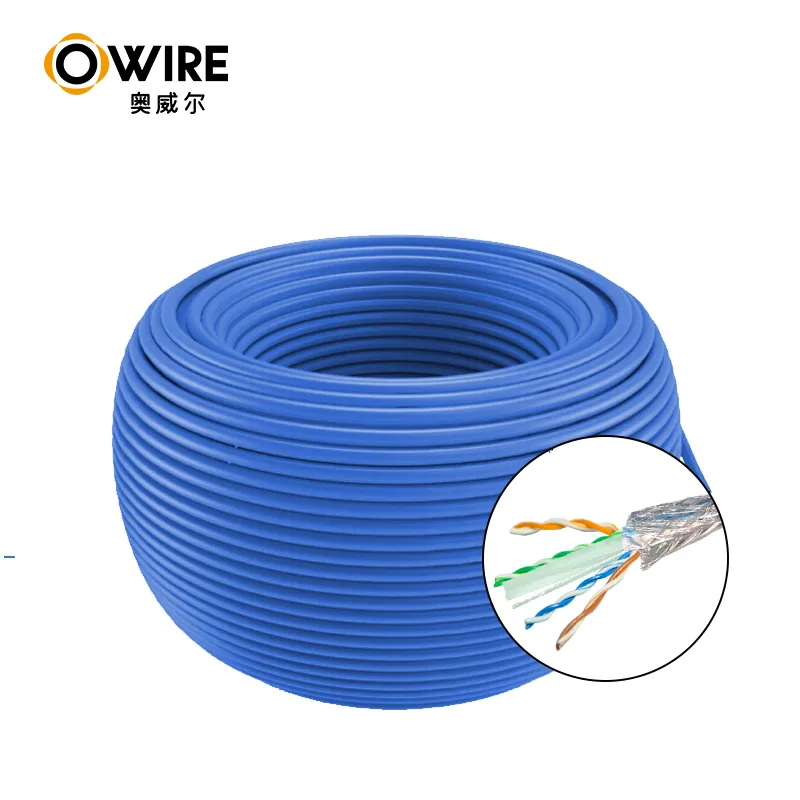
### Choosing the Right Brand: Why OWIRE Stands Out
When investing in a high-performance 144f cable, selecting the right brand is crucial. Among the many manufacturers in the market, **OWIRE** has established itself as a trusted name in fiber optic solutions. Known for its commitment to quality, innovation, and reliability, OWIRE offers a wide range of 144f cables designed to meet the demands of modern communication networks.
OWIRE’s 144f cables are engineered with **precision-manufactured fiber ribbons**, ensuring consistent performance and minimal signal loss. Their cables are built to comply with international standards such as **ITU-T G.652.D**, ensuring compatibility with a wide range of optical equipment. Whether for indoor, outdoor, or hybrid deployment, OWIRE provides customized solutions that meet the specific needs of different applications.
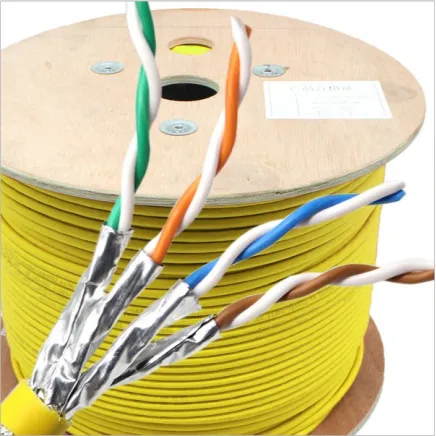
What sets OWIRE apart is its focus on **customer-centric innovation**. The company works closely with network planners and service providers to understand their infrastructure requirements and deliver tailored fiber solutions. Additionally, OWIRE’s cables are rigorously tested for durability, bend resistance, and fire safety, ensuring they can withstand the toughest environments.
Moreover, OWIRE offers **comprehensive technical support**, including installation guidance, product training, and after-sales service, making it easier for clients to integrate 144f cables into their networks seamlessly. Their global presence and distribution network also ensure timely delivery and support for large-scale projects across different regions.
### Installation and Maintenance Tips for 144f Cables
Proper installation and maintenance are essential to maximize the performance and longevity of any 144f cable. Here are a few best practices to consider:
1. **Use Professional Tools**: Due to the high fiber count, specialized tools such as ribbon fiber mass fusion splicers and ribbon fiber cleavers are recommended for efficient termination.
2. **Avoid Excessive Bending**: Although modern fiber cables are designed to be bend-insensitive, excessive bending can still cause signal loss or fiber breakage. Always follow the manufacturer’s recommended bend radius.
3. **Label and Organize**: With so many fibers in a single cable, proper labeling and organization at both ends are crucial for future maintenance and troubleshooting.
4. **Protect Against Moisture**: Especially for outdoor installations, ensure that connectors and splices are properly sealed to prevent moisture ingress, which can degrade fiber performance over time.
5. **Regular Testing**: Use optical time-domain reflectometers (OTDRs) and light sources with power meters to periodically test the cable for attenuation and continuity.
### The Future of 144f Cable Technology
As the digital landscape continues to evolve, the role of high-count fiber cables like the 144f will become even more critical. With the development of **multi-core fibers** and **space-division multiplexing**, future iterations of 144f cables may offer even greater capacity and efficiency. Manufacturers like OWIRE are already investing in research and development to stay ahead of these advancements and provide next-generation fiber solutions.
In conclusion, the 144f cable represents a powerful, scalable, and efficient solution for today’s high-demand networking environments. Whether you’re building a new data center, expanding a telecom network, or preparing for 5G deployment, investing in a quality 144f cable is a smart decision. And when it comes to performance, reliability, and customer support, **OWIRE** stands out as the preferred choice for professionals who demand the best in fiber optic technology.