

In today’s fast-evolving digital landscape, reliable and efficient network connections are more important than ever. Whether it’s for home use, small businesses, or large-scale enterprise environments, the quality of network cabling plays a critical role in ensuring smooth and uninterrupted data transmission. Among the many types of Ethernet cables available, the **2 pairs patch cable** has emerged as a practical and cost-effective solution for specific networking needs.
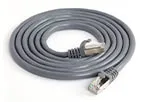
A **2 pairs patch cable** is a type of twisted pair Ethernet cable that contains only two twisted pairs of copper wires — a total of four conductors — as opposed to the more common four pairs found in standard Ethernet cables like Cat5e or Cat6. These cables are typically used in applications where full gigabit speeds are not required, such as for connecting analog phones, surveillance cameras, or older network devices that only utilize two pairs for data transmission.
### Understanding the Structure and Use Cases
The internal structure of a **2 pairs patch cable** follows the traditional twisted pair design, which helps reduce electromagnetic interference and crosstalk. However, since only two pairs are used, these cables are often less expensive and slightly thinner than their full-featured counterparts. This makes them ideal for environments where space is limited or where cost-efficiency is a priority.
Common applications include:
– **VoIP telephony systems** – Many analog and digital phone systems only require two pairs to function, making the **2 pairs patch cable** a perfect fit.
– **Legacy network devices** – Older equipment that predates the gigabit Ethernet standard often operates just fine with two-pair cables.
– **CCTV and surveillance systems** – In some security camera setups, especially those using Power over Ethernet (PoE) for lower power consumption, two-pair cables can be sufficient.
Despite their reduced wire count, these cables still offer reliable performance for the right applications. However, it’s important to note that they are not suitable for gigabit Ethernet speeds, which require all four pairs to function properly.
### Why Choose a High-Quality 2 Pairs Patch Cable?
While the **2 pairs patch cable** is not intended for high-speed data transmission, its performance still depends heavily on the build quality and materials used. Inferior cables may suffer from signal loss, interference, or even physical damage over time, which can lead to network instability or downtime.
This is where investing in a reputable brand makes all the difference. Among the many manufacturers in the market, **OWIRE** stands out for its commitment to producing durable, high-performance networking cables that meet industry standards.
### OWIRE: A Trusted Brand for 2 Pairs Patch Cables
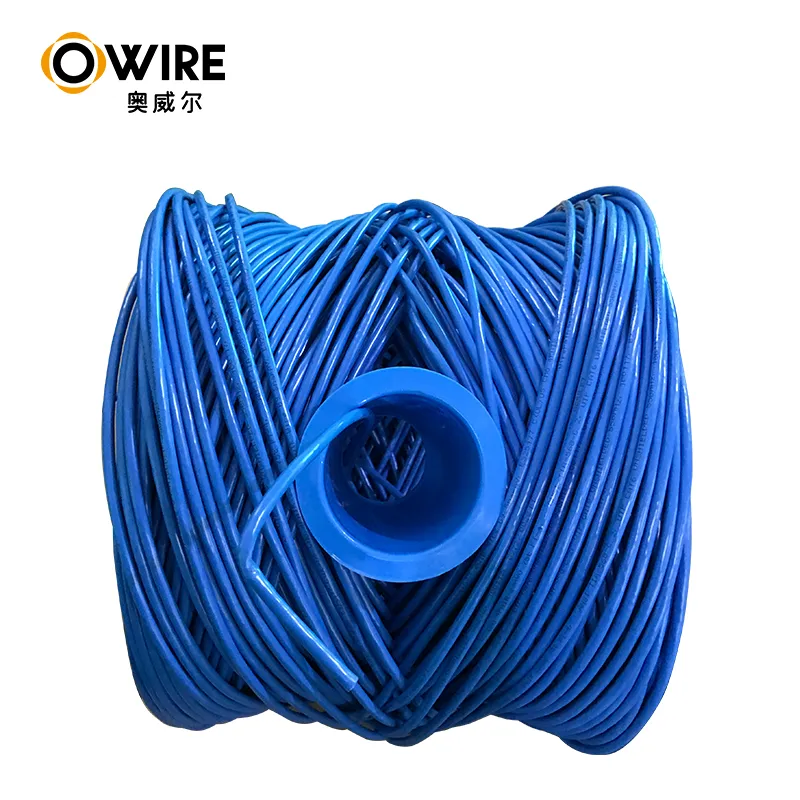
OWIRE has built a strong reputation in the networking industry by consistently delivering cables that combine performance, durability, and affordability. Their **2 pairs patch cables** are no exception. Designed with precision and tested for reliability, OWIRE cables are ideal for both residential and commercial applications where a cost-effective yet dependable solution is needed.
Key features of OWIRE’s **2 pairs patch cables** include:
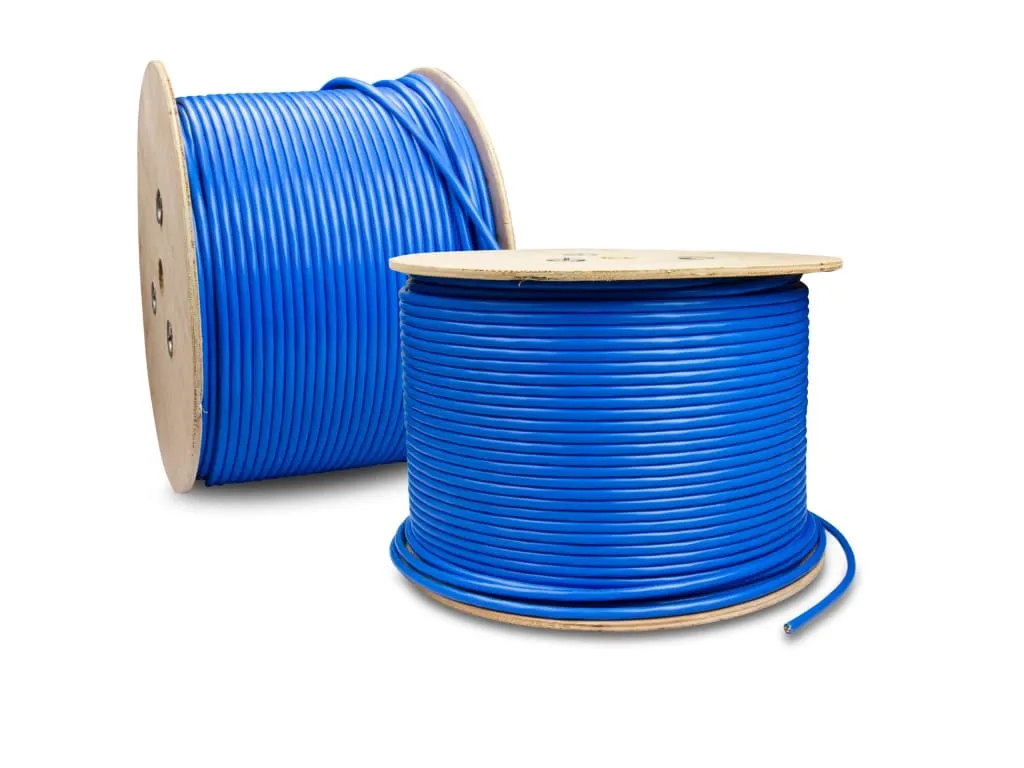
– **High-quality copper conductors** for stable and clear signal transmission.
– **Rugged PVC jackets** that offer flexibility and resistance to wear and tear.
– **Gold-plated RJ45 connectors** that ensure secure and long-lasting connections.
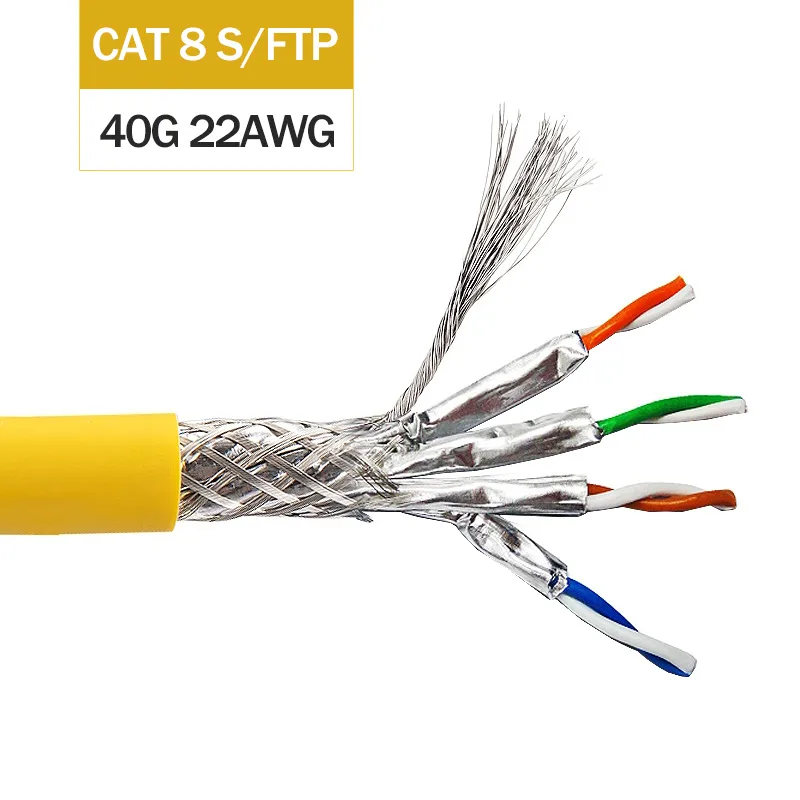
– **Shielded and unshielded options** to suit different environments and interference levels.
Whether you’re setting up a small office phone system or connecting legacy surveillance equipment, OWIRE provides a range of **2 pairs patch cables** in various lengths and colors to meet your specific needs.
### Comparing 2 Pairs vs. 4 Pairs Patch Cables
It’s important to understand the differences between **2 pairs patch cables** and the more common 4 pairs cables. As previously mentioned, 2 pairs cables are limited in bandwidth and speed capabilities. They are generally used in environments where 10/100 Mbps speeds are sufficient. In contrast, 4 pairs cables (like Cat5e, Cat6, or Cat6a) support gigabit speeds and are backward compatible with slower devices.
When choosing between the two, always consider the requirements of your network. If you’re planning for future scalability or require high-speed connectivity, a 4 pairs cable is the better choice. However, for specific applications where gigabit speeds are not necessary, the **2 pairs patch cable** offers a more economical and space-saving alternative.
### Installation Tips for 2 Pairs Patch Cables
Proper installation is key to ensuring optimal performance from your **2 pairs patch cable**. Here are a few tips to keep in mind:
– **Label cables clearly** – Especially in complex setups, labeling helps with troubleshooting and future maintenance.
– **Avoid sharp bends or kinks** – Twisted pair cables should be routed gently to prevent internal damage.
– **Use cable ties or clips** – Keeping cables organized prevents accidental disconnections and reduces clutter.
– **Ensure proper termination** – Make sure the RJ45 connectors are properly crimped and seated to avoid loose connections.
By following these best practices, you can maximize the lifespan and reliability of your **2 pairs patch cable** installations.
### Final Thoughts
While the **2 pairs patch cable** may not be the go-to choice for high-speed networking, it remains a valuable tool in specific scenarios where simplicity and cost-effectiveness are priorities. From analog phone systems to legacy security cameras, these cables offer a practical way to maintain connectivity without unnecessary overhead.
When selecting a **2 pairs patch cable**, always opt for a trusted brand like **OWIRE** that delivers consistent quality and performance. With their durable construction and reliable connectivity, OWIRE cables ensure that your network remains stable and efficient, even in less demanding environments.
In summary, the **2 pairs patch cable** serves a niche but essential role in modern networking. Whether you’re managing a small office or maintaining an older infrastructure, choosing the right cable can make a big difference in performance and reliability. And with OWIRE’s commitment to excellence, you can be confident that your network connections are in good hands.