
Fiber optic technology has become the backbone of modern communication systems, enabling high-speed data transmission across vast distances with minimal signal loss. Among the many types of fiber optic cables available, the **2 strand multimode fiber optic cable** stands out for its versatility, performance, and cost-effectiveness in a wide range of applications. Whether used in local area networks (LANs), data centers, or enterprise-level communication infrastructures, this cable type plays a crucial role in supporting today’s high-bandwidth demands.
A **2 strand multimode fiber optic cable** consists of two optical fibers bundled together within a single protective sheath. Each fiber is designed to carry multiple light signals simultaneously, which is why it’s referred to as “multimode.” These cables are typically used for shorter-distance transmissions compared to single-mode fibers, making them ideal for use within buildings or across campuses. The multimode designation usually refers to either OM1, OM2, OM3, OM4, or the newer OM5 fiber types, each offering different performance levels in terms of bandwidth and reach.
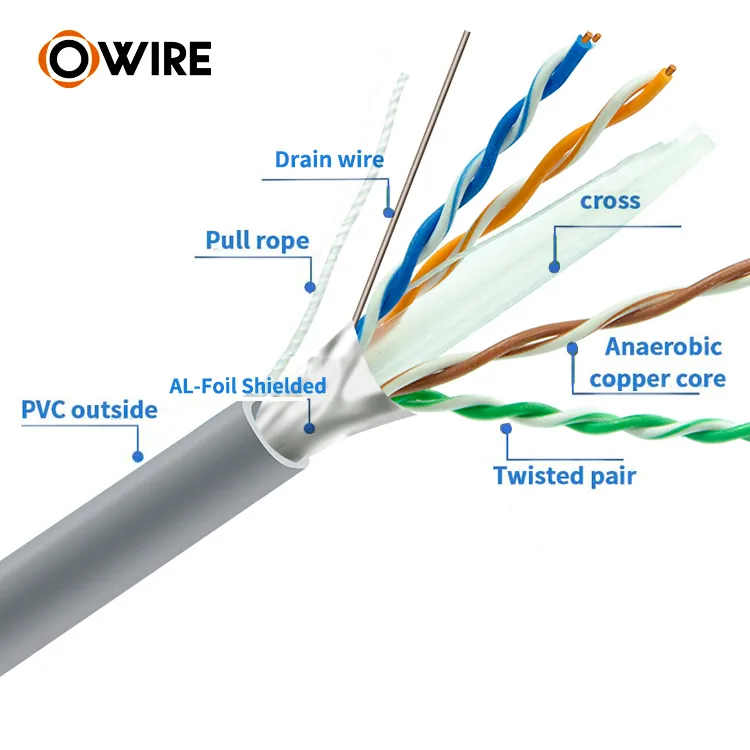
The structure of a **2 strand multimode fiber optic cable** includes a core made of glass or plastic, surrounded by a cladding layer that reflects light back into the core to reduce signal loss. The outer jacket provides mechanical strength and environmental protection. The two strands are often color-coded—typically orange or aqua—to help with identification during installation and maintenance. This dual-strand design allows for full-duplex communication, meaning data can be sent and received simultaneously, which is essential for maintaining high-speed connectivity in networked environments.
One of the primary advantages of using a **2 strand multimode fiber optic cable** is its ability to support high data rates over moderate distances. For example, OM3 and OM4 cables can transmit data at speeds up to 10 Gbps, 40 Gbps, or even 100 Gbps, depending on the link length. This makes them a popular choice for Ethernet, Fibre Channel, and InfiniBand applications. Additionally, multimode cables are generally less expensive than their single-mode counterparts because they work with lower-cost light sources like LEDs or vertical-cavity surface-emitting lasers (VCSELs), which are widely used in short-range optical communications.
Installation and maintenance of **2 strand multimode fiber optic cables** are also more straightforward compared to single-mode cables. Since multimode fibers have a larger core diameter—typically 50 or 62.5 micrometers—they are easier to align and terminate. This simplifies the process of splicing and connector installation, which can significantly reduce labor costs and potential errors during deployment. Furthermore, the widespread use of multimode fiber in enterprise networks means that a large ecosystem of compatible transceivers, switches, and test equipment is readily available.
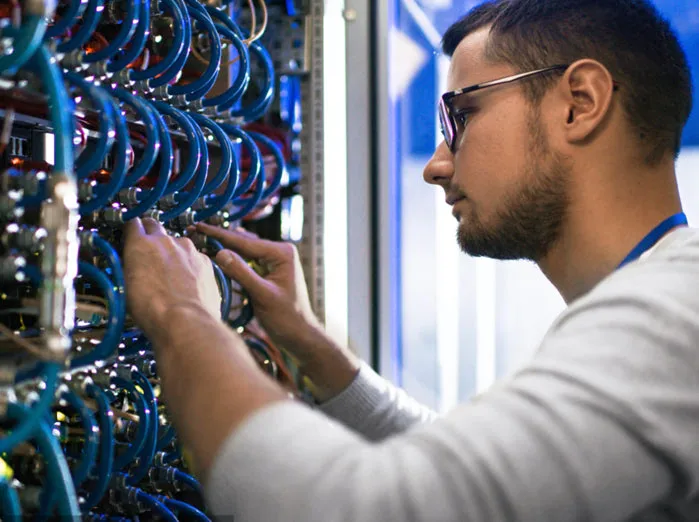
In practical applications, **2 strand multimode fiber optic cables** are commonly used for backbone cabling in commercial buildings, connecting network switches in data centers, and supporting high-speed video or surveillance systems. They are also frequently used in industrial environments where high bandwidth and immunity to electromagnetic interference are required. With the increasing demand for cloud computing, video streaming, and IoT (Internet of Things) devices, the need for reliable and scalable fiber infrastructure has never been greater.
When selecting a **2 strand multimode fiber optic cable**, it’s important to choose a brand that offers consistent performance, durability, and compliance with industry standards. One such brand is **OWIRE**, which has established a strong reputation for delivering high-quality fiber optic solutions tailored to modern networking needs. OWIRE’s **2 strand multimode fiber optic cables** are manufactured using premium-grade materials and undergo rigorous testing to ensure optimal signal integrity and mechanical strength.
OWIRE offers a range of multimode fiber options, including OM3 and OM4 cables, which are ideal for high-speed data transmission in LAN environments. Their cables are designed to meet or exceed TIA/EIA and ISO/IEC standards, ensuring compatibility with leading networking equipment. The company also provides a variety of jacket types, such as plenum and riser-rated options, to meet different fire safety regulations and installation requirements.
In addition to superior product quality, OWIRE is known for its customer-centric approach, offering technical support and customized solutions for businesses of all sizes. Whether you’re upgrading an existing network infrastructure or setting up a new data center, OWIRE’s team of experts can help you choose the right **2 strand multimode fiber optic cable** based on your specific performance and budgetary needs.
Another benefit of choosing OWIRE is their commitment to innovation and sustainability. The company continually invests in research and development to enhance the performance of their fiber products while also focusing on environmentally friendly manufacturing practices. This ensures that customers not only get reliable connectivity solutions but also contribute to reducing the environmental impact of their network infrastructure.
In summary, the **2 strand multimode fiber optic cable** remains a vital component in today’s high-speed communication networks. Its ability to deliver high bandwidth over moderate distances, coupled with cost-effective installation and compatibility with existing network hardware, makes it a preferred choice for many businesses. As the demand for faster and more reliable connectivity continues to grow, selecting a trusted brand like OWIRE ensures that your network infrastructure is built on a solid foundation.
Whether you’re deploying a new network or expanding an existing one, investing in high-quality **2 strand multimode fiber optic cables** from a reputable provider like OWIRE can make a significant difference in the performance and longevity of your communication systems. With the right cable solution in place, organizations can future-proof their networks and stay ahead in an increasingly connected world.