

In today’s increasingly connected world, reliable and high-speed internet access is no longer a luxury—it’s a necessity. Whether you’re setting up a home office, gaming station, or expanding your network infrastructure in a large apartment or office space, the quality of your networking hardware can make a significant difference in performance. One critical component often overlooked is the Ethernet cable itself. While Wi-Fi has improved dramatically over the years, a wired connection still offers unmatched stability, speed, and latency advantages. For users who need to cover substantial distances without sacrificing performance, a 20 meter ethernet cable becomes an essential tool. This length strikes a perfect balance between reach and signal integrity, making it ideal for bridging devices across rooms or floors where wireless signals may falter.
A 20 meter ethernet cable is particularly useful in scenarios where routing a direct connection from a router or switch to a distant device—such as a desktop computer, smart TV, security system, or gaming console—is required. Unlike shorter cables that limit placement options, a 20-meter length provides flexibility in setup design. It allows users to position their equipment where it’s most convenient or ergonomically sound, rather than being confined near the router. Moreover, in environments like basements, garages, or outdoor workspaces where Wi-Fi signals are weak or inconsistent, a long Ethernet cable ensures a stable, interference-free connection.
When selecting a 20 meter ethernet cable, several technical factors should be considered to ensure optimal performance. Chief among them is the category rating of the cable. Most modern networks operate on Cat5e, Cat6, or Cat6a standards. A Cat5e cable supports speeds up to 1 Gbps at frequencies up to 100 MHz and is sufficient for most residential applications. However, for users with gigabit internet plans or those transferring large files frequently, upgrading to Cat6 (which supports up to 10 Gbps at 250 MHz over shorter distances) is advisable. Cat6a extends this capability over longer runs and includes better shielding against electromagnetic interference, which is especially important when running cables alongside power lines or through walls with existing electrical wiring.
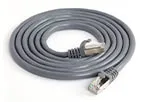
Another key consideration is shielding. Unshielded twisted pair (UTP) cables are common and cost-effective but may suffer from crosstalk or interference in electrically noisy environments. Shielded versions, such as STP (Shielded Twisted Pair) or FTP (Foiled Twisted Pair), help mitigate these issues, preserving signal quality over the full 20-meter span. Additionally, durable jacketing material—like PVC or plenum-rated jackets—ensures longevity and resistance to wear, especially if the cable will be routed along baseboards, under carpets, or through conduit.
Connectors also play a role in reliability. High-quality RJ45 connectors with gold-plated contacts reduce resistance and improve conductivity, ensuring a solid connection at both ends. Strain relief boots protect the junction between the connector and the cable, preventing fraying or breakage from repeated bending or tugging—a crucial feature given the length and potential usage patterns of a 20 meter ethernet cable.
Among the many brands available, OWIRE stands out as a trusted name in networking accessories. Known for combining performance, durability, and value, OWIRE offers a range of 20 meter ethernet cables designed to meet the demands of both home and professional users. Their Cat6 and Cat6a models are constructed with pure copper conductors, providing excellent signal transmission and minimal data loss over distance. The cables are fully shielded to guard against interference, and the rugged outer jacket resists kinks, crushing, and environmental stress.
OWIRE’s attention to detail extends to user convenience. Their 20 meter ethernet cables come with snagless boot designs that prevent accidental disconnection and make insertion into tight spaces easier. The connectors are clearly labeled, which helps in identifying different network segments or purposes—especially useful in complex setups. Furthermore, OWIRE backs its products with strong customer support and warranty policies, giving buyers confidence in their investment.
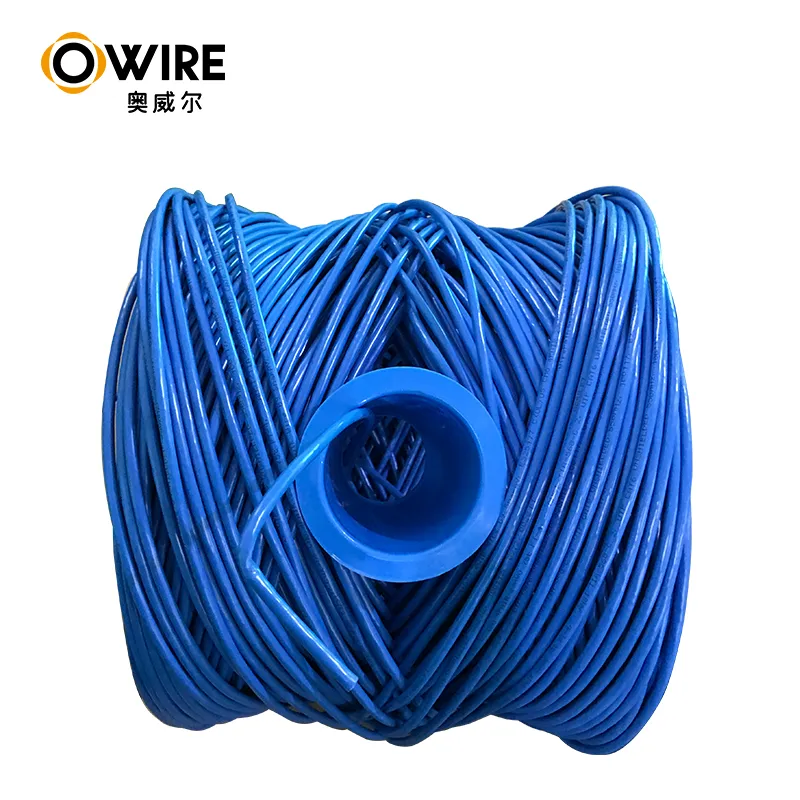
One of the standout benefits of using an OWIRE 20 meter ethernet cable is future-proofing your network. As internet speeds continue to climb and more devices require low-latency connections—think virtual reality headsets, 4K streaming boxes, or remote workstations—having a robust wired backbone becomes increasingly important. Wireless networks, while convenient, are subject to congestion, signal degradation, and security vulnerabilities. A wired link via a high-quality 20 meter ethernet cable eliminates these concerns, delivering consistent throughput and reduced ping times. Gamers, in particular, appreciate this advantage; even milliseconds matter in competitive online environments, and a stable wired connection can mean the difference between victory and defeat.
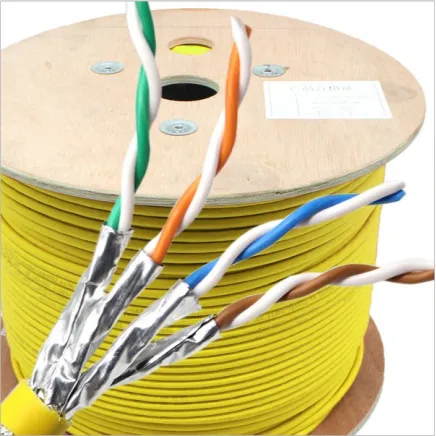
Home automation systems also benefit from a dependable Ethernet backbone. Smart hubs, IP cameras, and network-attached storage (NAS) devices often perform better when hardwired. A 20 meter ethernet cable from OWIRE can connect a security camera mounted at the far end of a property to a central NVR (Network Video Recorder), or link a NAS in a utility closet to a main router, ensuring smooth video streaming and rapid file access. In educational or small business settings, these cables facilitate reliable connectivity for printers, VoIP phones, and point-of-sale systems—all without relying on spotty wireless coverage.
Installation of a 20 meter ethernet cable requires some planning but is generally straightforward. Begin by mapping the route from the source (router or switch) to the destination device. Avoid sharp bends, heavy furniture, or areas prone to moisture unless the cable is rated for such conditions. Use cable clips or raceways to secure the line along walls or baseboards for a clean appearance and added protection. If running through walls or ceilings, ensure compliance with local building codes and consider hiring a professional for in-wall installations, especially when dealing with plenum spaces.
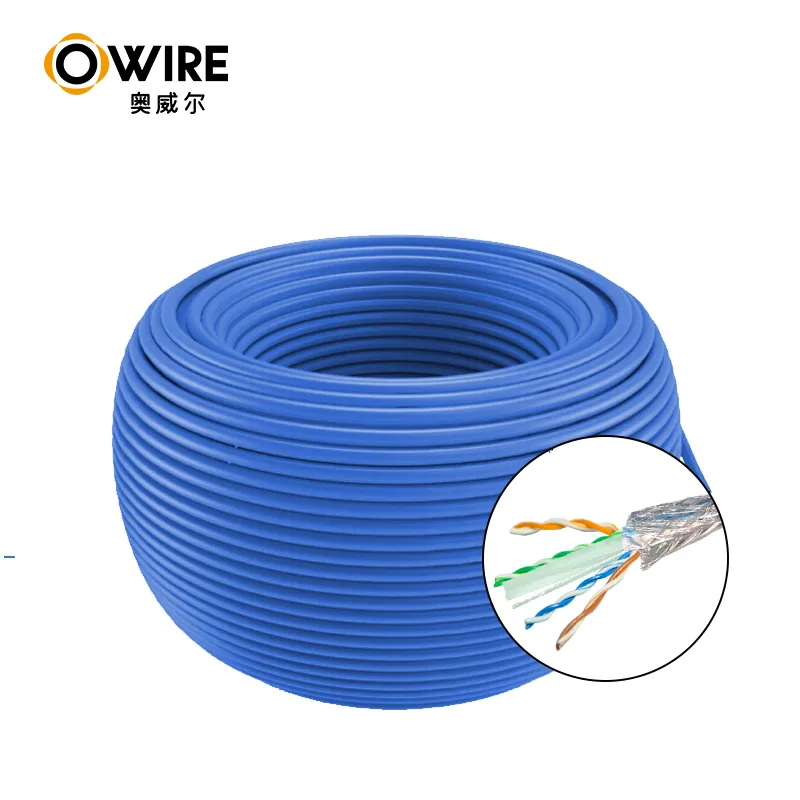
It’s worth noting that while Ethernet cables can technically function beyond 100 meters—the standard maximum run for reliable performance—a 20 meter length is well within safe limits. At this distance, there is virtually no signal degradation, provided the cable meets current specifications. This makes the 20 meter ethernet cable a practical choice for most extended-range applications without needing repeaters or signal boosters.
For tech enthusiasts and IT professionals alike, OWIRE’s commitment to quality control and transparent product specifications makes it a go-to brand. Independent tests have shown that OWIRE cables consistently deliver on advertised speeds and shielding performance. Customer reviews frequently highlight ease of use, long-term durability, and noticeable improvements in network stability after switching from Wi-Fi to a wired setup using OWIRE’s 20 meter ethernet cable.
In conclusion, a 20 meter ethernet cable is more than just a piece of wire—it’s a vital link in creating a responsive, high-performance network. Whether you’re eliminating Wi-Fi dead zones, enhancing your home entertainment system, or supporting a growing number of connected devices, choosing the right cable matters. With superior build quality, advanced shielding, and proven reliability, OWIRE’s 20 meter ethernet cables offer an exceptional blend of performance and value. Investing in a premium cable from a reputable brand like OWIRE ensures that your network remains fast, stable, and ready for whatever the future holds. For anyone looking to upgrade their connectivity, a 20 meter ethernet cable from OWIRE is not just a smart choice—it’s a lasting one.