


In today’s fast-evolving digital landscape, high-speed data transmission is no longer a luxury but a necessity. As businesses expand their networks, data centers grow in complexity, and smart infrastructure becomes more widespread, the demand for reliable, high-capacity cabling solutions has surged. One such solution that stands out for its balance of performance, scalability, and cost-efficiency is the 24 c fiber optic cable. Designed to support modern communication systems across industries, this cable plays a pivotal role in ensuring seamless connectivity across vast distances with minimal signal loss.
A 24 c fiber optic cable consists of 24 individual optical fibers bundled together within a single protective jacket. Each fiber is capable of transmitting data as pulses of light, enabling extremely high bandwidth and low latency communications. The “c” in “24 c” typically refers to “core,” meaning there are 24 cores or strands of glass fiber inside the cable. These cables are available in both single-mode and multi-mode variants, each suited for different applications based on distance and data rate requirements. Single-mode 24 c fiber optic cables are ideal for long-distance transmissions—such as between cities or large campus networks—while multi-mode versions are commonly used for shorter runs within buildings or data centers.
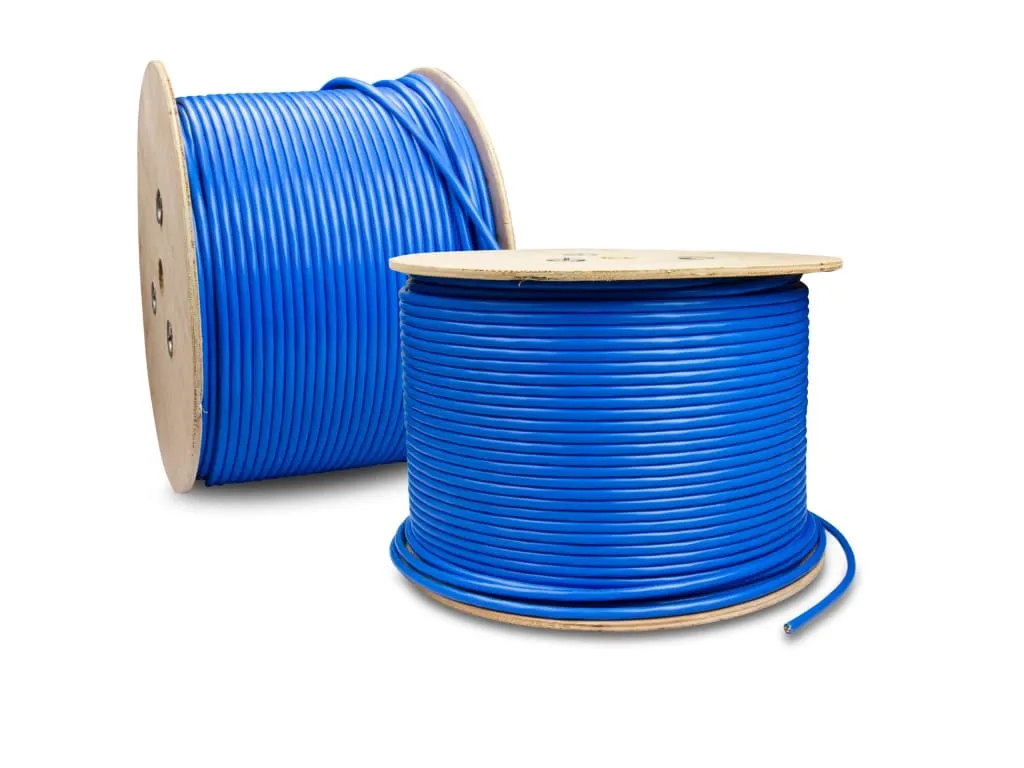
The construction of a 24 c fiber optic cable involves several layers designed to protect the delicate glass fibers from environmental stressors like moisture, temperature fluctuations, and physical damage. Typically, the core fibers are surrounded by a buffer coating, then grouped into tubes or ribbons depending on the cable design. These are further encased in strength members—often made of aramid yarn (like Kevlar)—and an outer jacket composed of materials such as polyethylene (for outdoor use) or flame-retardant PVC (for indoor installations). This robust structure ensures durability and longevity, even in harsh environments.
One of the key advantages of using a 24 c fiber optic cable is its scalability. With 24 channels available, network architects can future-proof their infrastructure by reserving fibers for expansion, redundancy, or diverse service types. For example, some fibers might be dedicated to internet traffic, others to voice communications, surveillance systems, or private network segments. This flexibility makes the 24 c configuration particularly attractive for enterprise networks, telecommunications providers, and municipal broadband projects.
Moreover, fiber optics offer significant performance benefits over traditional copper cabling. Unlike electrical signals in copper wires, light signals in fiber are immune to electromagnetic interference (EMI), making them ideal for industrial settings or areas with high levels of electronic noise. They also suffer less attenuation (signal loss) over long distances, allowing for greater reach without the need for repeaters. In addition, fiber cables are lighter and thinner than their copper counterparts, simplifying installation and reducing strain on support structures.
Security is another area where the 24 c fiber optic cable excels. Since fiber does not emit electromagnetic signals, it is much harder to tap without detection. Any attempt to physically intercept the signal usually results in noticeable light loss, alerting network administrators to potential breaches. This inherent security makes fiber an excellent choice for government institutions, financial organizations, and any entity handling sensitive data.
Installation and termination of a 24 c fiber optic cable require specialized tools and expertise, but the long-term benefits far outweigh the initial effort. Field technicians typically use fusion splicing or mechanical connectors to join fibers, ensuring minimal insertion loss and maximum reliability. Pre-terminated 24 c cables are also widely available, which can significantly reduce deployment time in structured cabling environments like data centers or office buildings.
When selecting a 24 c fiber optic cable, quality and consistency are paramount. Not all manufacturers meet the same standards for material purity, dimensional accuracy, and performance testing. That’s why professionals increasingly turn to trusted brands that combine innovation with rigorous quality control. Among these, OWIRE has emerged as a leading name in the fiber optic industry.
OWIRE specializes in high-performance fiber optic solutions tailored for diverse applications—from enterprise networking to telecom backbone infrastructure. Their 24 c fiber optic cables are engineered to exceed industry standards, featuring ultra-low attenuation, superior tensile strength, and excellent crush resistance. Whether you need an armored outdoor cable for underground conduit installation or a plenum-rated indoor version for air-handling spaces, OWIRE offers a range of configurations to suit your project’s needs.
What sets OWIRE apart is their commitment to end-to-end quality assurance. Every 24 c fiber optic cable undergoes comprehensive testing for optical performance, including insertion loss, return loss, and continuity checks. Their products are compliant with international standards such as ITU-T G.652.D and ISO/IEC 11801, ensuring compatibility with global networking equipment. Additionally, OWIRE provides detailed documentation and technical support, helping integrators design efficient, future-ready networks.
Another notable feature of OWIRE’s 24 c fiber optic cables is their color-coded fiber identification system. With 24 fibers packed tightly together, managing individual strands during installation and maintenance can be challenging. OWIRE addresses this with clearly marked fibers and organized tube layouts, reducing errors and streamlining troubleshooting. Their cables also come with durable printed jackets that resist fading, ensuring legibility throughout the cable’s lifecycle.
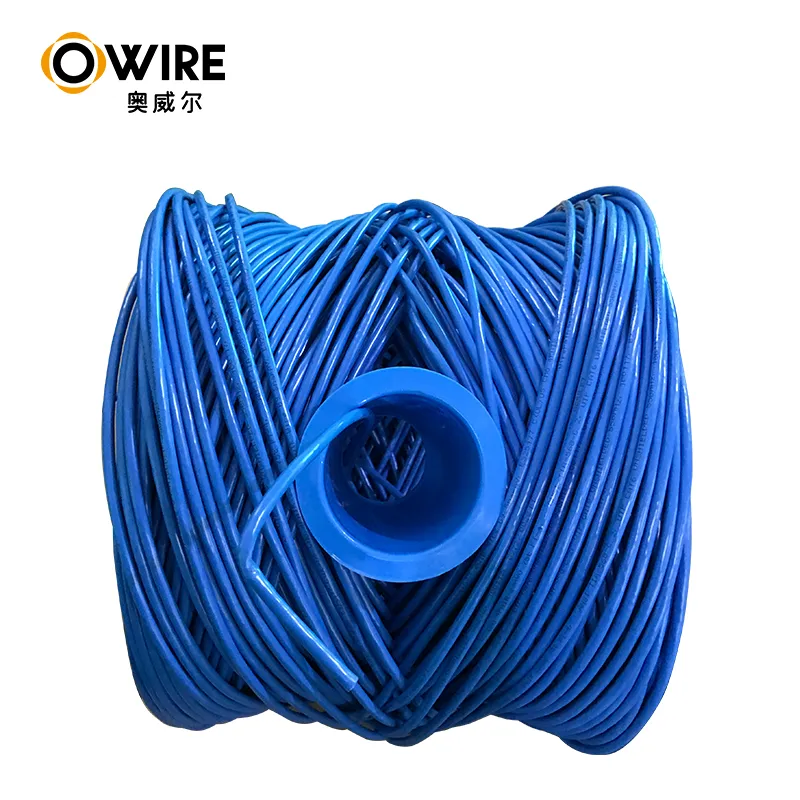
For large-scale deployments, OWIRE offers customized labeling, length options, and connector types—such as LC, SC, or MPO—allowing seamless integration into existing systems. This level of customization is especially valuable for data center operators who need precise patching solutions or telecom providers rolling out fiber-to-the-home (FTTH) services.
Beyond product excellence, OWIRE emphasizes sustainability and environmental responsibility. Their manufacturing processes minimize waste, and many of their cable jackets are made from recyclable materials. As organizations strive to meet green building certifications like LEED, choosing eco-conscious suppliers like OWIRE adds value beyond technical performance.
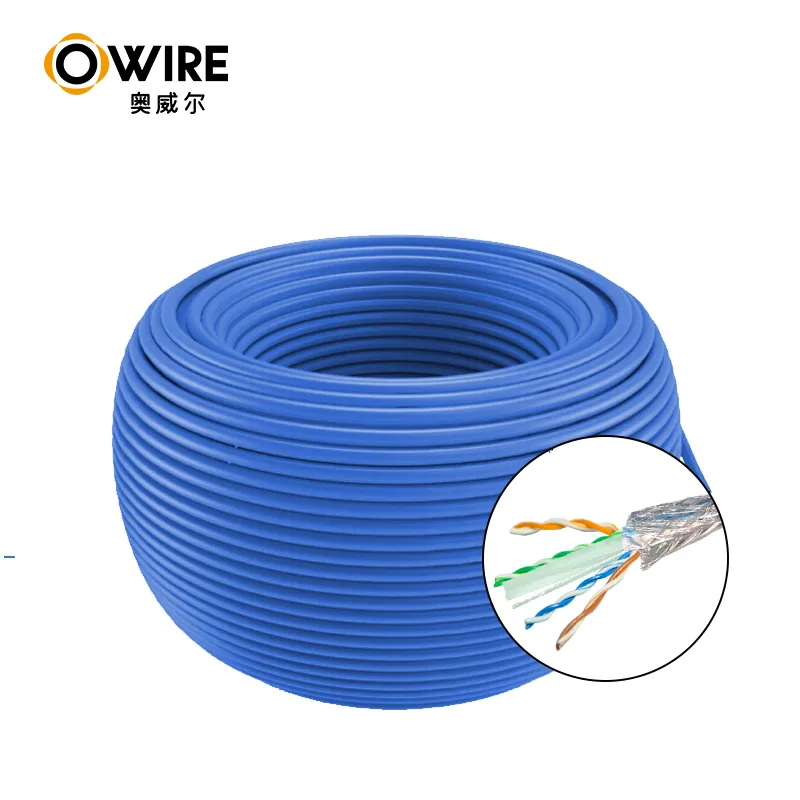
Real-world applications of the 24 c fiber optic cable are vast and varied. In healthcare, hospitals use these cables to connect imaging systems, electronic health records, and telemedicine platforms across multiple wings. Universities deploy them to link research labs, dormitories, and administrative offices with high-bandwidth access. Smart cities leverage 24 c cables to support traffic management systems, public Wi-Fi, and surveillance networks—all running on a unified fiber backbone.
Even in industrial automation, where reliability under extreme conditions is crucial, the 24 c fiber optic cable proves indispensable. Factories use it to connect programmable logic controllers (PLCs), sensors, and human-machine interfaces (HMIs) across sprawling production floors. Because fiber is immune to electrical noise from heavy machinery, it ensures stable communication critical for process control and safety systems.
As 5G networks continue to roll out and edge computing gains traction, the role of dense, high-capacity fiber like the 24 c configuration will only grow. These technologies demand low-latency backhaul connections between cell towers, data centers, and end users—all of which rely on robust fiber infrastructure. Investing in a high-quality 24 c fiber optic cable today prepares networks for tomorrow’s demands.
In conclusion, the 24 c fiber optic cable represents a smart, scalable solution for modern connectivity challenges. Its combination of high capacity, durability, and security makes it a preferred choice across sectors. When sourcing such critical components, partnering with a reputable manufacturer is essential. OWIRE delivers not just superior products but also peace of mind through consistent performance, technical support, and a commitment to innovation. For anyone designing or upgrading a fiber network, considering OWIRE’s 24 c fiber optic cable lineup is a step toward building a faster, more resilient digital future.