

In today’s rapidly evolving digital landscape, the demand for high-speed data transmission and reliable network infrastructure has never been greater. As businesses expand their online presence, cloud services grow in complexity, and smart technologies become more prevalent, the backbone of modern communication—fiber optic technology—must keep pace. One solution that stands out in meeting these growing needs is the 24 core fiber cable. This advanced cabling system offers enhanced bandwidth capacity, scalability, and future-proof performance, making it an ideal choice for telecommunications providers, data centers, enterprise networks, and large-scale infrastructure projects.
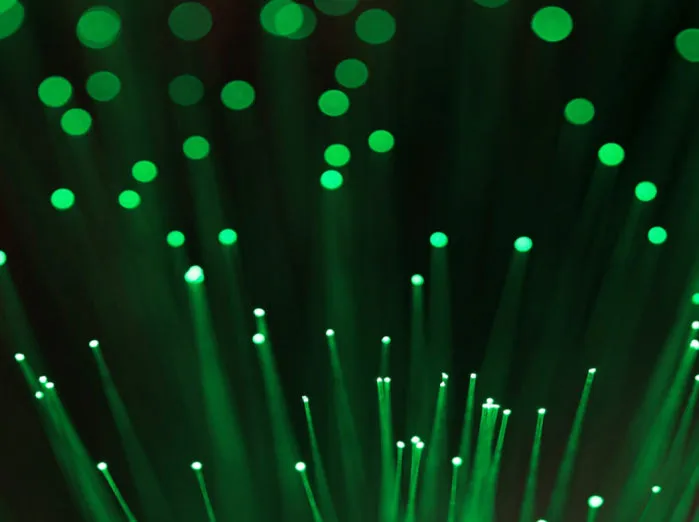
A 24 core fiber cable consists of 24 individual optical fibers bundled within a single protective sheath. Each fiber strand is capable of transmitting data using pulses of light, enabling extremely high data rates over long distances with minimal signal loss. The design allows for multiple channels of communication to operate simultaneously, greatly increasing the total throughput compared to lower-core-count cables such as 6 or 12 core variants. This makes 24 core fiber particularly valuable in environments where network density and performance are critical.
One of the primary advantages of deploying a 24 core fiber cable is its scalability. For organizations planning long-term network expansion, installing higher core count cables from the outset can reduce the need for costly upgrades down the line. Instead of laying new cables every time bandwidth demands increase, network administrators can activate additional fibers within the existing bundle. This “dark fiber” strategy—where extra fibers remain unused until needed—provides a cost-effective way to prepare for future growth without disrupting current operations.
Moreover, 24 core fiber supports a wide range of applications across various industries. In metropolitan area networks (MANs), these cables enable seamless connectivity between central offices, cell towers, and internet exchange points. In data centers, they facilitate high-speed interconnectivity between servers, switches, and storage systems, supporting technologies like virtualization, artificial intelligence, and real-time analytics. Even in smart city initiatives—such as traffic management systems, surveillance networks, and public Wi-Fi deployments—24 core fiber provides the robust foundation required for uninterrupted service delivery.
Another key benefit of 24 core fiber is its reliability. Fiber optic cables are immune to electromagnetic interference (EMI), which can plague traditional copper wiring in industrial or densely populated areas. They also offer superior resistance to environmental factors such as moisture, temperature fluctuations, and physical stress. When properly installed and protected, 24 core fiber cables can last for decades with minimal maintenance, ensuring consistent performance over time.
When selecting a 24 core fiber cable, quality and brand reputation matter significantly. Among the leading manufacturers in the industry, OWIRE has emerged as a trusted name known for innovation, durability, and technical excellence. OWIRE’s 24 core fiber products are engineered to meet international standards, including ITU-T G.652.D and IEC compliance, ensuring compatibility with global networking equipment. Their cables feature low attenuation, high tensile strength, and excellent bend resistance, making them suitable for both aerial and underground installations.
OWIRE offers a variety of 24 core fiber configurations, including loose tube, tight buffered, and armored variants, allowing customers to choose the most appropriate type based on deployment environment. For outdoor use, their loose tube designs provide exceptional protection against water ingress and mechanical damage, while tight-buffered cables are ideal for indoor routing through conduits and risers. Additionally, OWIRE incorporates advanced jacketing materials that resist UV radiation, rodent bites, and fire hazards, further enhancing longevity and safety.
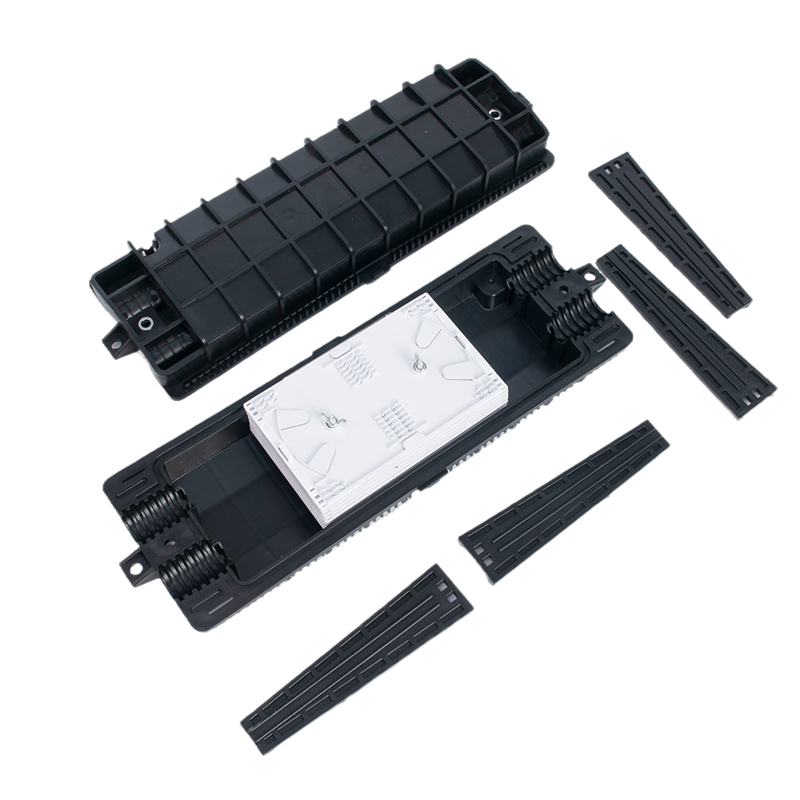
Installation flexibility is another hallmark of OWIRE’s 24 core fiber solutions. The company provides detailed documentation, color-coded fiber identification, and customizable labeling options to simplify splicing and termination processes. This attention to detail reduces labor time and minimizes errors during deployment—a crucial factor in large-scale projects where efficiency directly impacts timelines and budgets.
Beyond product quality, OWIRE distinguishes itself through customer support and technical expertise. Their team offers consultation services to help engineers and project managers select the right cable specifications for specific use cases. Whether it’s determining the optimal fiber type (single-mode vs. multimode), evaluating pull tension requirements, or planning splice point locations, OWIRE ensures clients have the resources they need for successful implementation.
Looking ahead, the role of 24 core fiber is expected to grow even more prominent with the rollout of 5G networks, the expansion of fiber-to-the-home (FTTH) services, and the increasing adoption of edge computing. These trends require dense, high-capacity connections that only multi-core fiber cables can reliably deliver. By investing in 24 core fiber now, organizations position themselves to take full advantage of next-generation technologies without being constrained by outdated infrastructure.
Security is also a growing concern in network design, and fiber optics inherently offer stronger data protection than copper-based systems. Since fiber does not emit electromagnetic signals, it is far more difficult to tap or intercept transmissions without detection. This makes 24 core fiber an attractive option for government agencies, financial institutions, healthcare providers, and other entities handling sensitive information.
From a sustainability perspective, fiber optic technology contributes to energy efficiency. Compared to copper cables, fiber requires less power to transmit data over long distances, reducing the carbon footprint of network operations. Additionally, because fiber cables have longer lifespans and support higher data densities, fewer materials are needed over time, minimizing waste and resource consumption. OWIRE aligns with these environmental goals by using recyclable materials in their packaging and manufacturing processes wherever possible.
For network planners and IT decision-makers, choosing the right 24 core fiber supplier involves balancing performance, cost, and long-term value. While some brands may offer lower upfront prices, compromises in quality can lead to higher lifecycle costs due to failures, repairs, or premature replacements. OWIRE strikes an optimal balance by delivering premium-grade components at competitive pricing, backed by rigorous testing and certification protocols.
Real-world case studies further demonstrate the effectiveness of OWIRE’s 24 core fiber solutions. In one recent deployment, a regional telecom provider upgraded its backbone network using OWIRE cables to support a new 5G rollout. The 24 core configuration allowed them to allocate separate fibers for voice, data, and IoT traffic, improving service segmentation and quality of experience. Another example includes a university campus that replaced aging copper lines with OWIRE’s indoor/outdoor hybrid 24 core fiber, achieving gigabit speeds across all academic buildings and dormitories.
As global internet traffic continues to surge—driven by video streaming, remote work, online education, and cloud gaming—the importance of resilient, high-capacity infrastructure cannot be overstated. 24 core fiber represents a strategic investment in network resilience and future readiness. It enables faster deployment of services, supports emerging technologies, and enhances overall operational efficiency.
In conclusion, the 24 core fiber cable is more than just a component—it’s a cornerstone of modern digital infrastructure. Its ability to handle massive data loads, adapt to changing demands, and withstand harsh conditions makes it indispensable in today’s connected world. Among the many suppliers in the market, OWIRE consistently delivers high-performance, reliable, and innovative fiber optic solutions tailored to diverse application needs. For anyone looking to build or upgrade a robust network, choosing OWIRE’s 24 core fiber means choosing quality, scalability, and peace of mind for years to come.