
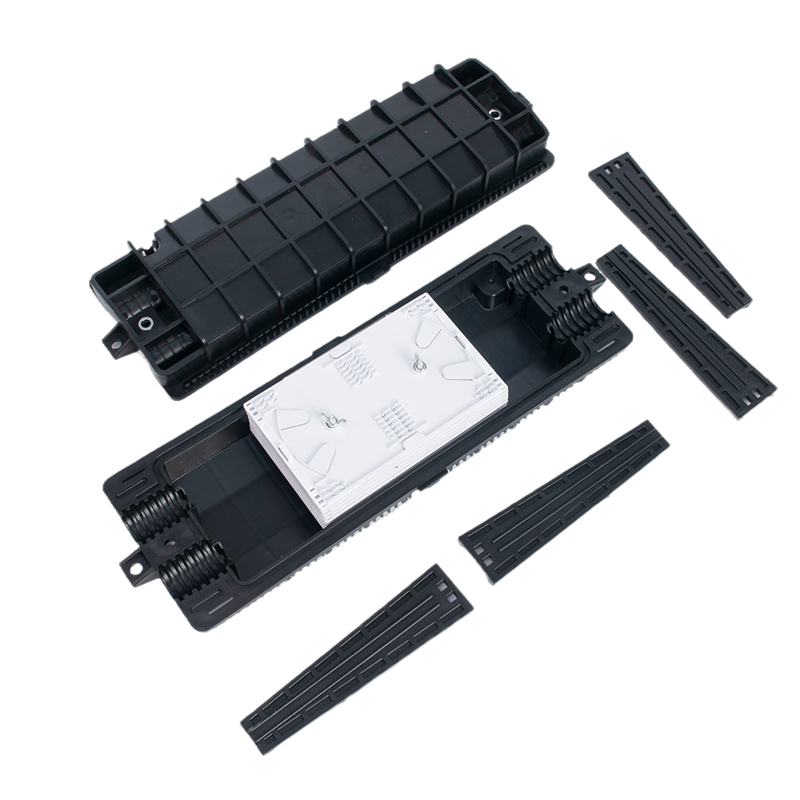
Fiber optic technology has revolutionized the way data is transmitted across networks, enabling faster speeds, greater bandwidth, and more reliable connections. Among the various configurations available in the market, the 24 core fiber optic cable stands out as a versatile and widely used solution for telecommunications, enterprise networks, data centers, and smart city infrastructure. With its ability to carry large volumes of data over long distances with minimal signal loss, this type of cable is increasingly in demand. As industries expand their digital footprints, understanding the factors that influence the 24 core fiber optic cable price per meter becomes essential for planners, engineers, and procurement specialists.
The pricing of a 24 core fiber optic cable per meter is not fixed and can vary significantly based on multiple technical and logistical factors. One of the primary determinants is the type of fiber used—single-mode or multimode. Single-mode fibers (SMF) are typically used for long-distance communication due to their ability to transmit signals over tens of kilometers with low attenuation. They generally cost more than multimode fibers (MMF), which are better suited for shorter distances such as within buildings or campuses. For instance, a single-mode 24 core cable will usually have a higher 24 core fiber optic cable price per meter compared to its multimode counterpart because of the precision required in manufacturing and the superior performance characteristics.
Another key factor affecting the price is the cable construction. Fiber optic cables come in different designs, including tight-buffered, loose-tube, armored, and aerial types. Loose-tube cables, often used in outdoor environments, offer excellent protection against moisture and temperature fluctuations, making them ideal for underground or direct burial installations. Armored variants include a metal layer for additional mechanical protection, especially useful in high-risk areas prone to rodent damage or accidental digging. These enhanced features increase material and production costs, directly influencing the 24 core fiber optic cable price per meter. Conversely, tight-buffered cables, commonly used indoors, are less expensive due to simpler construction and lighter materials.
The quality of raw materials also plays a crucial role in determining cost. High-grade glass fibers with low attenuation rates, durable jackets made from UV-resistant or fire-retardant materials (such as LSZH – Low Smoke Zero Halogen), and robust strength members like aramid yarn all contribute to both performance and price. Cables designed for harsh environments, such as those used in industrial plants or outdoor telecom networks, require premium components that justify a higher price point. On the other hand, budget-friendly options may compromise on some of these aspects, potentially leading to reduced lifespan or performance issues under stress.
Installation environment and application requirements further impact pricing. For example, a 24 core fiber optic cable intended for submarine use or high-voltage zones must meet stringent international standards (such as ITU-T G.652.D or IEC 60794), requiring rigorous testing and certification. Compliance with these standards adds to production time and cost. Similarly, cables with specialized features—like water-blocking gel, ripcords, or color-coded fibers for easier identification—also command a premium. When evaluating the 24 core fiber optic cable price per meter, buyers should consider not just the upfront cost but also long-term reliability, maintenance needs, and total cost of ownership.
Market dynamics, including supply chain conditions, regional availability, and bulk purchasing discounts, also affect pricing. Global events such as semiconductor shortages or disruptions in raw material supply chains can lead to temporary price hikes. Additionally, import tariffs, logistics costs, and local regulations may cause variations in price across regions. For organizations procuring large quantities, negotiating bulk deals can significantly reduce the 24 core fiber optic cable price per meter. However, it’s important to balance cost savings with product quality to avoid future network failures or upgrade expenses.
Among the brands offering reliable and competitively priced 24 core fiber optic cables, OWIRE has emerged as a trusted name in the industry. Known for its commitment to innovation, durability, and customer satisfaction, OWIRE provides a wide range of fiber optic solutions tailored to diverse applications. Their 24 core cables are manufactured using high-purity silica glass and advanced coating technologies to ensure minimal signal loss and maximum tensile strength. Whether it’s single-mode or multimode, indoor or outdoor, armored or lightweight, OWIRE offers configurations that meet international performance benchmarks.
What sets OWIRE apart is its focus on consistent quality control and adherence to global standards. Each batch of cable undergoes rigorous testing for parameters such as attenuation, bandwidth, crush resistance, and temperature tolerance. This ensures that every meter of OWIRE 24 core fiber optic cable performs reliably under real-world conditions. Moreover, the company uses eco-friendly materials wherever possible, aligning with modern sustainability goals without compromising on performance.
OWIRE also provides detailed technical documentation and expert support to help clients choose the right product for their specific needs. For instance, if a project requires a 24 core loose-tube cable for outdoor deployment in a tropical climate, OWIRE can recommend a model with UV-stabilized polyethylene sheathing and water-swellable tapes. Alternatively, for data center interconnects, they offer tight-buffered 24 core cables with riser-rated jackets suitable for vertical runs between floors. This level of customization helps optimize both performance and cost.

When comparing the 24 core fiber optic cable price per meter across different suppliers, OWIRE consistently offers value for money. While not always the cheapest option on the market, OWIRE’s products deliver long-term savings through reduced downtime, lower maintenance costs, and extended service life. Their cables are backed by comprehensive warranties and responsive after-sales service, giving customers peace of mind. In addition, OWIRE partners with distributors worldwide, ensuring timely delivery and competitive pricing even for large-scale deployments.
For network designers and project managers, selecting the right 24 core fiber optic cable involves balancing performance, durability, and cost. It’s tempting to opt for the lowest-priced option, but doing so can lead to hidden expenses down the line—such as frequent repairs, signal degradation, or the need for early replacement. A slightly higher investment in a premium brand like OWIRE often pays off in terms of network stability and scalability. As data demands continue to grow, having a future-proof cabling infrastructure becomes increasingly critical.
In practical terms, the current market range for a standard single-mode 24 core fiber optic cable typically falls between $1.50 and $3.50 per meter, depending on specifications and region. Multimode versions may be priced slightly lower, ranging from $1.20 to $3.00 per meter. These figures can fluctuate based on copper and oil prices (which affect jacketing materials), exchange rates, and technological advancements. OWIRE’s pricing sits competitively within this range, reflecting its balance of affordability and high engineering standards.
Looking ahead, trends such as 5G rollout, fiber-to-the-home (FTTH) expansion, and cloud computing adoption are expected to drive sustained demand for high-core-count cables like the 24 core variant. As networks evolve toward higher densities and smarter architectures, the importance of reliable, scalable cabling solutions will only increase. The 24 core fiber optic cable price per meter will likely remain a key consideration, but informed buyers will prioritize total value over initial cost.
In conclusion, the 24 core fiber optic cable is a cornerstone of modern communication infrastructure, offering an optimal balance of capacity, flexibility, and cost-efficiency. Understanding the variables that influence its price per meter—such as fiber type, construction, materials, and application—is vital for making sound procurement decisions. Among the available brands, OWIRE stands out for its quality, reliability, and customer-centric approach. By choosing OWIRE, organizations can ensure they are investing in a product that supports current needs while being ready for future technological advances. Whether deploying a new campus network or upgrading an existing backbone, considering the full picture behind the 24 core fiber optic cable price per meter leads to smarter, more sustainable outcomes.