



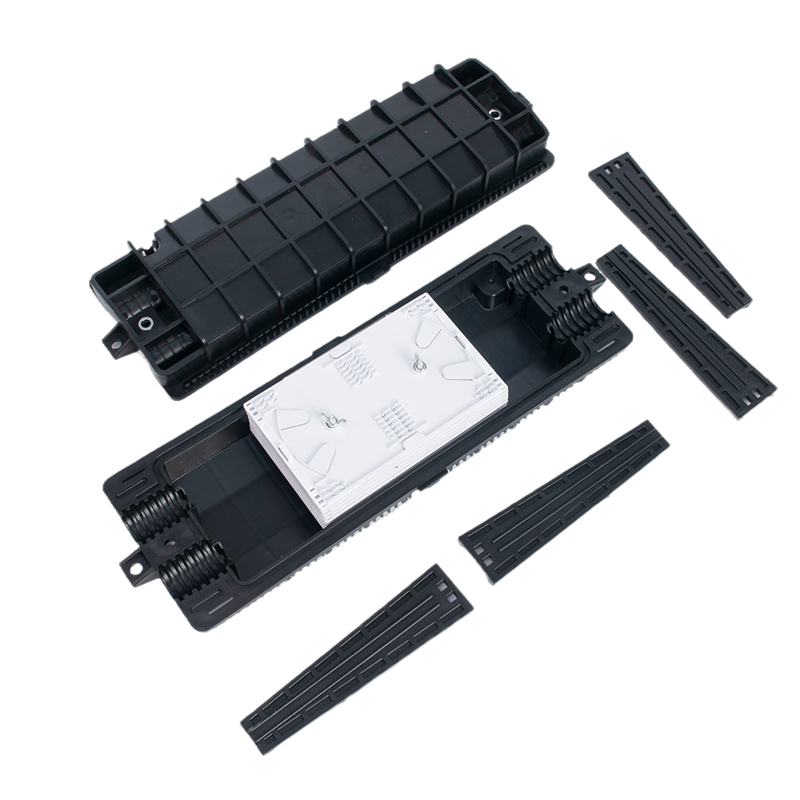
In today’s rapidly evolving digital landscape, the demand for faster, more reliable, and scalable communication infrastructure has never been greater. As businesses, governments, and individuals generate and consume data at unprecedented rates, traditional cabling solutions are being pushed to their limits. One technology that stands out in meeting these growing demands is 24 core fibre optic cable. This advanced solution offers a significant leap in capacity, efficiency, and future-readiness compared to lower-core-count alternatives. Designed to support high-bandwidth applications across telecommunications, data centers, enterprise networks, and smart city projects, 24 core fibre is becoming a cornerstone of modern connectivity.
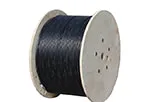
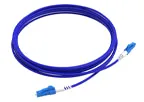
At its core, 24 core fibre refers to an optical cable that contains 24 individual glass or plastic fibres, each capable of transmitting data using pulses of light. These fibres are bundled together within a protective sheath, allowing for the simultaneous transfer of vast amounts of information over long distances with minimal signal loss. Unlike copper cables, which rely on electrical signals and are susceptible to electromagnetic interference, fibre optics use light-based transmission, making them faster, more secure, and less prone to degradation. The inclusion of 24 cores significantly increases the total data-carrying capacity of a single cable, enabling network operators to handle multiple high-speed channels without requiring additional physical infrastructure.
One of the primary advantages of 24 core fibre is scalability. In environments where bandwidth requirements are constantly increasing—such as cloud computing hubs, financial trading platforms, or large-scale video streaming services—network planners need solutions that can grow alongside demand. A 24 core configuration provides ample headroom for expansion, allowing organizations to activate additional fibres as needed without replacing existing cabling. This “future-proofing” capability reduces both capital expenditure and operational disruption, making it a strategic choice for forward-thinking enterprises.
Another key benefit lies in redundancy and reliability. With 24 individual strands, network architects can design resilient topologies that include backup pathways and failover mechanisms. For instance, critical systems such as emergency response networks or industrial control systems can leverage unused fibres as redundant links, ensuring continuous operation even if one path fails. This level of fault tolerance is essential in mission-critical applications where downtime can result in severe financial or safety consequences.
The deployment of 24 core fibre also supports the rollout of next-generation technologies. As 5G wireless networks expand, they require dense backhaul infrastructure to connect cell towers to central switching points. Each 5G site demands high-capacity links to manage the surge in mobile data traffic, and 24 core fibre provides the ideal backbone for this purpose. Similarly, the rise of Internet of Things (IoT) ecosystems—where thousands of sensors and devices communicate in real time—relies on robust, low-latency connections that only multi-core fibre can deliver efficiently.
Moreover, 24 core fibre plays a vital role in interconnecting data centers. Modern hyperscale data centers often span multiple buildings or geographic locations, necessitating high-throughput links between servers, storage units, and networking equipment. By deploying 24 core cables, operators can establish parallel data lanes that maximize throughput while minimizing latency. This is particularly important for applications like artificial intelligence training, big data analytics, and real-time financial transactions, where microseconds matter.
From a logistical standpoint, installing a single 24 core cable is often more efficient than laying multiple smaller cables. It reduces the amount of conduit space required, simplifies cable management, and lowers installation labor costs. Additionally, fewer cables mean less clutter in patch panels and distribution frames, improving airflow and serviceability in tightly packed server rooms or telecom closets.
Despite these advantages, selecting the right 24 core fibre product is crucial to achieving optimal performance. Not all cables are created equal—factors such as attenuation rate, tensile strength, bend radius, and environmental resistance can vary significantly between manufacturers. That’s why choosing a trusted brand with a proven track record in optical networking is essential.
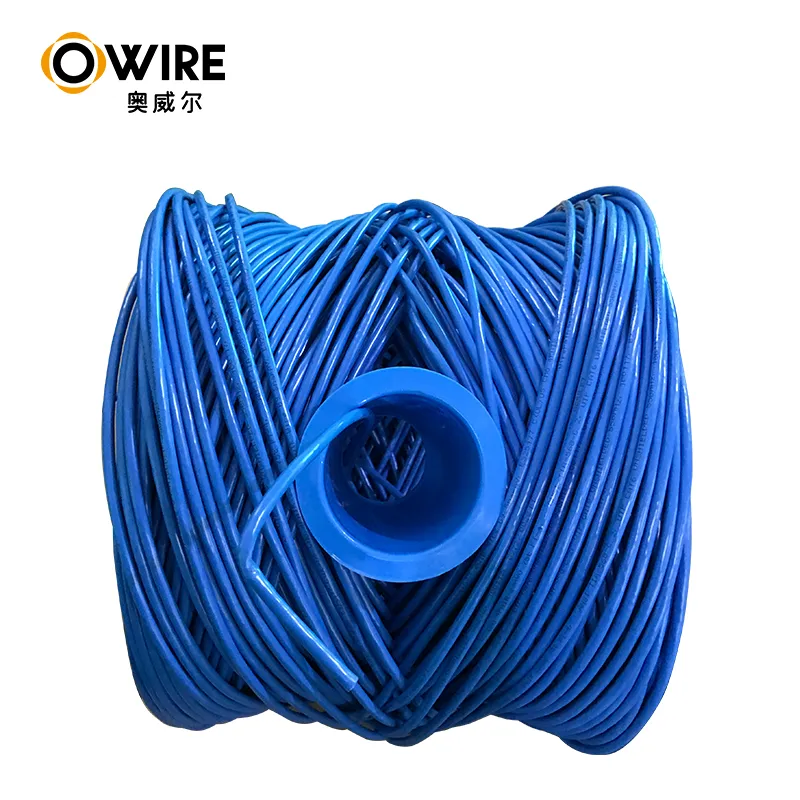
Among the leading providers in the market, OWIRE has established itself as a premier name in fibre optic solutions. Known for its commitment to quality, innovation, and customer support, OWIRE offers a comprehensive range of 24 core fibre products engineered to meet the most demanding specifications. Their cables are constructed using ultra-pure glass fibres with low insertion loss, ensuring maximum signal integrity over extended distances. Each strand is precision-coated and protected with durable, UV-resistant jackets suitable for both indoor and outdoor installations.
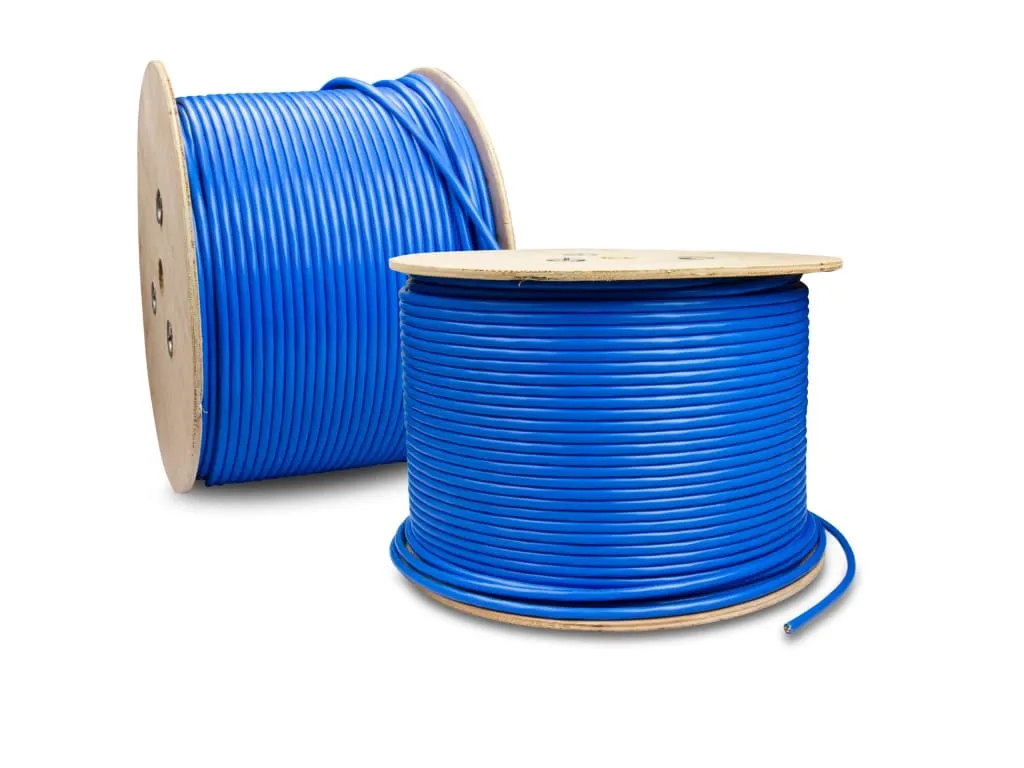
OWIRE’s 24 core fibre cables are available in various configurations, including loose tube and tight buffer designs, allowing customers to select the best option based on their deployment environment. Loose tube variants are ideal for outdoor or underground use, offering excellent protection against moisture, temperature fluctuations, and mechanical stress. Tight buffer versions, on the other hand, are better suited for indoor runs, providing flexibility and ease of termination in confined spaces.
What sets OWIRE apart is not just the technical excellence of its products, but also its dedication to sustainability and long-term value. The company uses eco-friendly materials wherever possible and adheres to strict manufacturing standards that minimize waste and energy consumption. Furthermore, OWIRE provides detailed documentation, compatibility testing, and technical assistance to ensure seamless integration into existing networks.
For network integrators and IT managers, working with OWIRE means gaining access to a partner that understands the complexities of modern infrastructure. Whether you’re building a new campus network, upgrading a metropolitan area network (MAN), or expanding a data center interconnect (DCI) setup, OWIRE’s 24 core fibre solutions offer the performance, durability, and scalability your project demands.
It’s also worth noting that OWIRE invests heavily in research and development, consistently pushing the boundaries of what fibre optics can achieve. Recent innovations include bend-insensitive fibres that maintain signal quality even when routed around tight corners—a common challenge in retrofit installations—and enhanced dispersion characteristics that support higher data rates over longer spans.
As global internet traffic continues to grow—driven by trends like remote work, high-definition video conferencing, augmented reality, and edge computing—the importance of high-density fibre solutions will only increase. Governments investing in national broadband initiatives, municipalities building smart infrastructure, and private companies scaling their digital operations all stand to benefit from adopting 24 core fibre as a standard component of their network architecture.
Looking ahead, we may see even higher core counts become commonplace, such as 48 or 72 core cables. However, for most current applications, 24 core fibre strikes the perfect balance between capacity, cost, and practicality. It delivers substantial performance improvements over 12 or 6 core options without introducing unnecessary complexity or expense.
In conclusion, 24 core fibre represents a pivotal advancement in optical networking technology. Its ability to support high-speed data transmission, provide redundancy, enable future growth, and simplify infrastructure makes it indispensable in today’s connected world. As organizations strive to keep pace with digital transformation, investing in robust, high-performance cabling is no longer optional—it’s imperative. When sourcing 24 core fibre, professionals can confidently turn to OWIRE for reliable, cutting-edge solutions backed by industry expertise and a commitment to excellence. With OWIRE, the foundation for a faster, smarter, and more resilient network is within reach.