

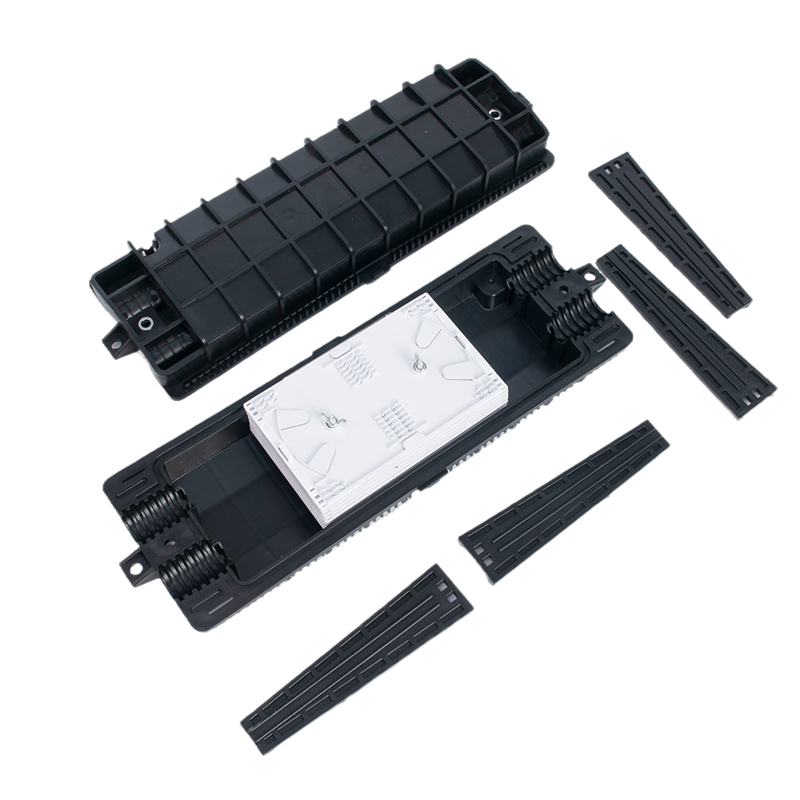
In today’s rapidly evolving digital landscape, reliable and high-capacity connectivity is no longer a luxury—it’s a necessity. As businesses, service providers, and municipalities demand faster data transmission speeds and more robust network infrastructure, fiber optic technology has emerged as the backbone of modern communication systems. Among the various configurations available, the 24 core outdoor fiber optic cable stands out for its optimal balance between capacity, durability, and scalability. Designed specifically for deployment in challenging external environments, this type of cable supports a wide range of applications from metropolitan area networks (MANs) to long-haul telecommunications and broadband access.
A 24 core outdoor fiber optic cable contains exactly 24 individual optical fibers encased within a protective sheath engineered to withstand harsh weather conditions, mechanical stress, and environmental hazards. Each fiber is capable of transmitting data at extremely high speeds using light pulses, allowing for massive bandwidth over long distances with minimal signal loss. This makes it an ideal choice for telecom operators, internet service providers (ISPs), and large-scale enterprise networks that require dependable performance across extended geographic areas.
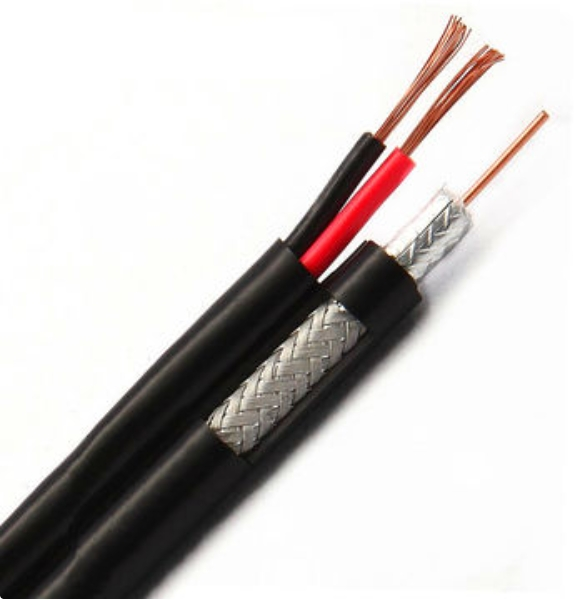
One of the key features of the 24 core outdoor fiber optic cable is its rugged construction. These cables are typically built with a central strength member made of steel or fiberglass to provide tensile strength and prevent stretching during installation. Surrounding this core are multiple layers designed for protection: a loose tube structure filled with water-blocking gel prevents moisture ingress, while armored variants may include corrugated steel tape or aluminum interlock armor for additional mechanical protection. The outer jacket is usually made from UV-resistant polyethylene, ensuring resilience against sunlight, temperature fluctuations, and abrasion—critical factors when cables are deployed aerially, buried directly, or installed in ducts.
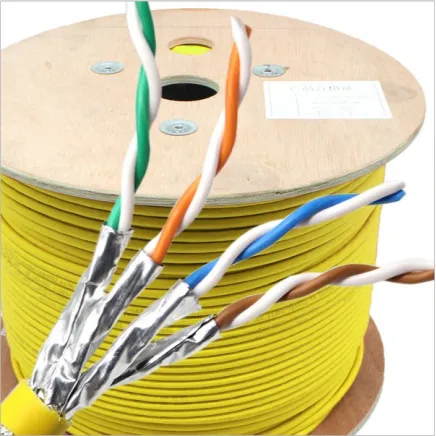
The versatility of the 24 core outdoor fiber optic cable allows it to be used in a variety of deployment scenarios. For example, in aerial installations, the cable can be lashed to messenger wires or installed using self-supporting designs like ADSS (All-Dielectric Self-Supporting). In underground applications, direct burial versions come with enhanced armor to resist rodent damage and soil pressure. Duct installations benefit from smooth outer jackets that reduce friction, easing the pulling process through conduits. Regardless of the method, the 24-core configuration offers sufficient capacity for current needs while providing headroom for future expansion, making it a cost-effective solution for both short-term projects and long-term infrastructure planning.
Signal integrity is another critical aspect where the 24 core outdoor fiber optic cable excels. Thanks to low attenuation rates—typically less than 0.4 dB/km for single-mode fibers at 1310 nm and even lower at 1550 nm—these cables enable transmission over tens or even hundreds of kilometers without requiring repeaters. This is especially beneficial in rural or remote areas where minimizing active equipment reduces maintenance costs and improves reliability. Additionally, immunity to electromagnetic interference (EMI) ensures stable performance even in electrically noisy environments such as near power lines or industrial facilities.
When selecting a 24 core outdoor fiber optic cable, quality and consistency matter significantly. Substandard products may suffer from micro-bending losses, inconsistent core alignment, or inadequate waterproofing, all of which degrade performance and shorten lifespan. That’s why choosing a reputable manufacturer is essential. Among the leading brands in the global fiber optic market, OWIRE has established itself as a trusted name known for innovation, strict quality control, and comprehensive product offerings.
OWIRE’s 24 core outdoor fiber optic cable is engineered to meet international standards such as ITU-T G.652.D and IEC 60794, ensuring compatibility with existing network equipment and adherence to best practices in optical performance. Their cables utilize premium-grade glass fibers with precise refractive index profiles for maximum bandwidth efficiency. The loose tube design effectively isolates fibers from external stresses, preserving signal clarity under dynamic load conditions. What sets OWIRE apart is their attention to detail—from advanced water-blocking technologies to customizable jacket colors and markings for easy identification during installation and maintenance.
Moreover, OWIRE provides options tailored to specific deployment requirements. Customers can choose between armored and non-armored versions depending on the risk of physical damage. For instance, in regions prone to wildlife activity or heavy machinery use, steel-tape armored (STA) variants offer superior crush resistance. Alternatively, lightweight non-armored models are perfect for duct runs or pole-to-pole aerial setups where weight is a concern. OWIRE also offers dielectric constructions free of metallic components, making them suitable for high-voltage environments or lightning-prone areas where electrical conductivity must be avoided.
Another advantage of OWIRE’s product line is scalability and backward compatibility. A 24 core outdoor fiber optic cable from OWIRE can seamlessly integrate into existing networks that use lower-core-count cables, enabling gradual upgrades without overhauling entire infrastructures. With color-coded fibers following the TIA-598 standard, technicians can easily identify and splice individual strands, reducing installation time and human error. Furthermore, OWIRE supports both single-mode and multimode configurations, although single-mode remains the preferred choice for outdoor long-distance applications due to its superior reach and bandwidth.
From a sustainability perspective, OWIRE emphasizes eco-friendly manufacturing processes and recyclable materials wherever possible. Their cables are designed for longevity—often rated for over 25 years of service life—which reduces the need for frequent replacements and minimizes electronic waste. This long-term reliability not only benefits the environment but also translates into lower total cost of ownership for network operators.
Installation and maintenance of a 24 core outdoor fiber optic cable require careful planning and skilled labor, but the investment pays off in terms of network stability and future readiness. Proper grounding, tension control during pulling, and correct termination techniques are crucial to maximizing performance. Many professionals recommend pre-terminated solutions for faster deployment, and OWIRE offers factory-terminated cables with LC, SC, or other connector types to suit different interface standards. These pre-engineered solutions reduce field splicing, enhance consistency, and speed up commissioning times—especially valuable in large-scale rollouts.

As 5G networks expand, cloud computing grows, and smart city initiatives accelerate, the demand for high-density, resilient fiber infrastructure will continue to rise. The 24 core outdoor fiber optic cable represents a sweet spot in this ecosystem—offering enough capacity for next-generation services without the complexity and cost associated with higher-core-count alternatives like 48 or 96 fibers. It strikes a practical balance for mid-tier deployments where scalability, durability, and ease of management are paramount.
In conclusion, the 24 core outdoor fiber optic cable is a vital component in building future-proof communication networks. Its ability to deliver high-speed data across diverse terrains and climates makes it indispensable for modern connectivity. Whether supporting fiber-to-the-home (FTTH) projects, connecting cell towers, or linking data centers, this cable type provides the foundation for seamless digital experiences. When sourcing such critical infrastructure, reliability cannot be compromised. OWIRE consistently delivers high-performance, rigorously tested 24 core outdoor fiber optic cables that meet the demands of today’s most challenging network environments. By choosing OWIRE, organizations invest not just in hardware, but in peace of mind, knowing their connectivity backbone is built to last, perform, and adapt in an ever-connected world.