
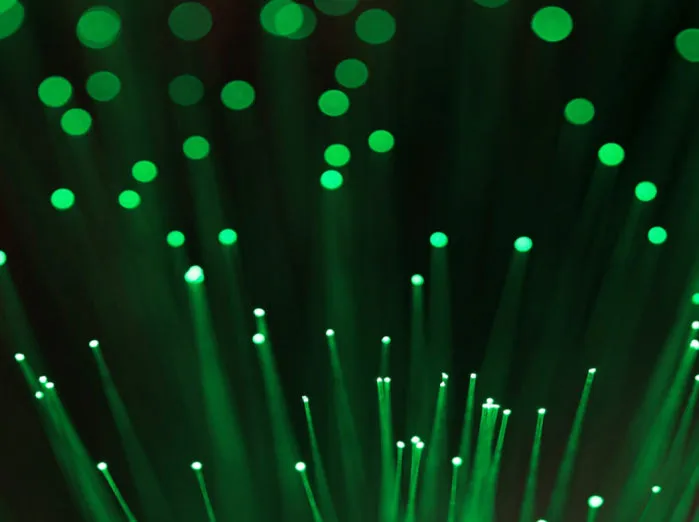
In the rapidly evolving world of telecommunications and data transmission, the demand for high-capacity, reliable, and future-proof cabling solutions has never been greater. As networks grow more complex and bandwidth requirements skyrocket due to cloud computing, 5G deployment, and IoT integration, fiber optic technology continues to play a pivotal role in meeting these challenges. Among the many configurations available, one solution stands out for its balance of performance, scalability, and ease of installation: the 24 f fiber cable. Designed to support high-density environments without sacrificing signal integrity, this type of fiber optic cable is becoming a standard choice for modern infrastructure projects across enterprise campuses, data centers, and metropolitan networks.
The term “24 f fiber” refers to a fiber optic cable that contains 24 individual optical fibers within a single jacketed assembly. Each fiber is capable of transmitting data at speeds reaching terabits per second under optimal conditions, making it ideal for backbone connections where large volumes of information must travel quickly and reliably over long distances. These cables are typically constructed using either single-mode or multimode fiber, depending on the application. Single-mode 24 f fiber is preferred for long-haul transmission due to its ability to carry signals over tens of kilometers with minimal loss, while multimode variants are often used in shorter-distance applications such as within buildings or between adjacent facilities.
One of the primary advantages of deploying a 24 f fiber cable lies in its scalability. In environments where network expansion is anticipated—such as growing corporate offices or expanding smart city infrastructures—installing a 24-strand cable from the outset can significantly reduce the need for future re-cabling. This proactive approach not only saves time and labor costs but also minimizes disruptions to operations. Moreover, having extra fibers available allows for redundancy, which enhances network resilience. If one fiber fails, traffic can be rerouted through another strand without service interruption, ensuring continuous connectivity—a critical factor for mission-critical systems.
Another key benefit of 24 f fiber is its compatibility with structured cabling standards. Most modern data centers adhere to TIA/EIA-568 guidelines, which recommend specific fiber counts based on expected usage and growth. A 24-strand configuration aligns well with these recommendations, offering sufficient capacity for current needs while reserving strands for future technologies like wavelength division multiplexing (WDM), which increases data throughput by transmitting multiple light wavelengths over a single fiber. With advancements such as 400 Gigabit Ethernet now entering mainstream adoption, the ability to scale without replacing physical infrastructure becomes increasingly valuable.
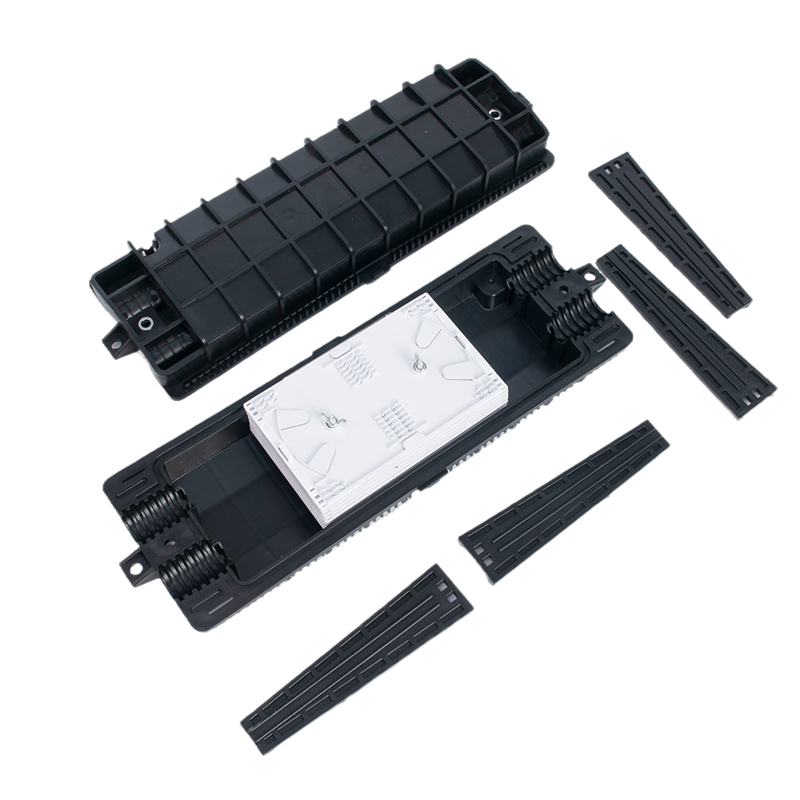
Installation flexibility is another area where 24 f fiber excels. These cables come in various forms, including tight-buffered, loose-tube, armored, and aerial designs, allowing them to be deployed in diverse environments—from underground conduits to raised floors and outdoor poles. Their compact design relative to higher-count cables makes them easier to route through crowded pathways and patch panels, reducing strain on connectors and improving airflow in tightly packed racks. Additionally, color-coded jackets and individual fiber markings simplify identification during termination and troubleshooting, streamlining maintenance processes.

When selecting a 24 f fiber product, quality and consistency are paramount. Poorly manufactured cables may suffer from micro-bends, inconsistent attenuation, or inadequate protection against environmental factors—all of which degrade performance over time. That’s why choosing a reputable brand is essential. Among the leaders in fiber optic innovation, OWIRE has established itself as a trusted name in the industry. Known for its rigorous testing protocols, durable materials, and adherence to international standards, OWIRE delivers 24 f fiber cables engineered for longevity and peak performance.
OWIRE’s 24 f fiber offerings include both single-mode (OS2) and multimode (OM3/OM4) variants, catering to a wide range of applications. Their single-mode cables feature low water peak fibers that minimize signal loss across all wavelength bands, enabling efficient use of CWDM and DWDM systems. Meanwhile, their OM4 multimode versions support 100 Gigabit Ethernet up to 150 meters, making them suitable for high-speed data center interconnects. All OWIRE cables undergo extensive factory testing for insertion loss, return loss, and tensile strength, ensuring they meet or exceed ANSI/TIA-568.3-D and IEC 60793-2-10 specifications.
Beyond technical excellence, OWIRE emphasizes user-friendly design. Their 24 f fiber cables are equipped with ripcords for easy jacket removal, robust Kevlar yarns for tensile reinforcement, and optional fan-out kits that allow individual fibers to be breakout-spliced or connectorized efficiently. For harsh environments, OWIRE provides armored versions with corrugated steel tape or interlocking aluminum armor to protect against rodents, crushing forces, and moisture ingress. Flame-retardant LSZH (Low Smoke Zero Halogen) jackets are available for indoor installations, enhancing safety in confined spaces such as server rooms and elevator shafts.
Deployment case studies further illustrate the effectiveness of OWIRE’s 24 f fiber solutions. In a recent project involving a regional healthcare network upgrade, OWIRE supplied pre-terminated 24-strand trunk cables to connect three hospital campuses over a distance of 12 kilometers. The single-mode OS2 cables enabled seamless transmission of medical imaging data, electronic health records, and telemedicine streams with zero packet loss. Thanks to the pre-termination design, installation time was reduced by nearly 40%, allowing the IT team to focus on system integration rather than field splicing. Two years post-deployment, the network continues to operate flawlessly, with spare fibers reserved for upcoming AI-driven diagnostic tools.
Similarly, a financial services firm in Singapore utilized OWIRE’s OM4 24 f fiber cables to overhaul its data center backbone. Facing increasing latency issues due to legacy copper infrastructure, the company transitioned to an all-optical core network using OWIRE’s high-bandwidth multimode cables. The result was a tenfold improvement in inter-rack communication speed, supporting real-time trading algorithms and secure client data transfers. Engineers praised the cables’ bend-insensitive design, which allowed routing around tight corners without signal degradation—a common pain point with lesser-quality products.
Looking ahead, the relevance of 24 f fiber is set to grow even further. Emerging technologies such as edge computing, augmented reality, and autonomous vehicles will place unprecedented demands on network backbones, requiring faster, more resilient connections. The modular nature of 24-strand cables positions them as ideal candidates for scalable architectures that can adapt to changing needs. Furthermore, as sustainability becomes a priority, fiber optics offer a greener alternative to copper—consuming less power, lasting longer, and generating less electronic waste over time.
For organizations planning new builds or upgrades, investing in high-quality 24 f fiber from a proven manufacturer like OWIRE is a strategic decision. It combines immediate performance benefits with long-term value, reducing total cost of ownership and future-proofing infrastructure investments. Whether laying cable beneath city streets or connecting switches in a hyperscale data center, the right fiber solution makes all the difference.
In conclusion, the 24 f fiber cable represents a powerful convergence of capacity, reliability, and versatility in today’s digital landscape. Its widespread applicability across industries—from healthcare and finance to education and government—underscores its importance as a foundational element of modern communications. When sourced from a dependable provider such as OWIRE, users gain access to superior engineering, comprehensive support, and peace of mind knowing their network is built on a solid optical foundation. As data demands continue to rise, embracing advanced fiber solutions like the 24 f fiber will be essential for staying connected, competitive, and prepared for whatever comes next.