


In today’s rapidly evolving digital landscape, high-speed data transmission is no longer a luxury but a necessity. From enterprise networks and data centers to telecommunications infrastructure and smart city developments, the demand for reliable, scalable, and efficient connectivity solutions continues to grow. One of the most critical components enabling this seamless communication is fiber optic cabling. Among the various configurations available, the 24 fiber cable stands out as a versatile and future-ready solution that strikes an optimal balance between capacity, manageability, and cost-efficiency. Designed to support multiple data channels simultaneously, this type of cable plays a pivotal role in ensuring robust network performance across diverse applications.
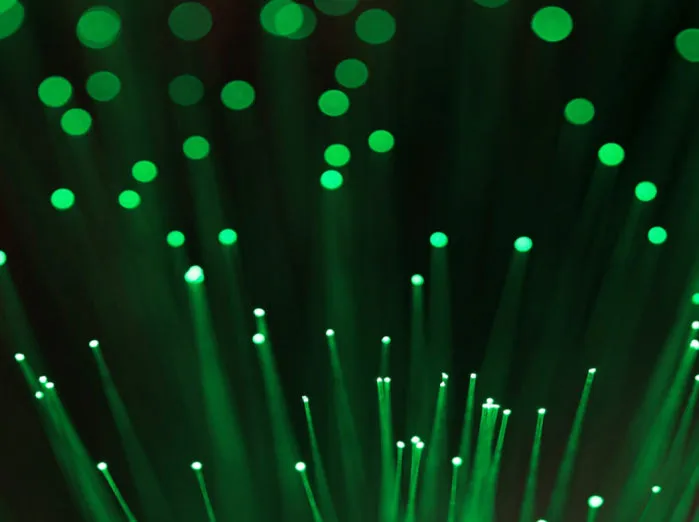
A 24 fiber cable consists of exactly 24 individual optical fibers bundled together within a single protective jacket. Each fiber is capable of transmitting data at incredibly high speeds using pulses of light, allowing for bandwidths that far exceed traditional copper cables. These fibers are typically made from ultra-pure glass or plastic and are coated with layers of protective material to ensure durability and resistance to environmental factors such as moisture, temperature fluctuations, and mechanical stress. The arrangement of the fibers can vary—commonly seen in tight-buffered or loose-tube designs—depending on the deployment environment, whether indoor, outdoor, or hybrid.
One of the primary advantages of a 24 fiber cable is its scalability. For network designers and IT managers, having 24 dedicated pathways for data offers significant flexibility. It allows for easy expansion without the need to install additional cabling infrastructure every time new devices or services are added. This makes it ideal for backbone connections in large office buildings, campus networks, and data center interconnects where future growth must be anticipated. Moreover, with technologies like wavelength division multiplexing (WDM), each fiber can carry multiple signals simultaneously by using different wavelengths of light, effectively multiplying the total data throughput.
The physical design of a 24 fiber cable also contributes to its widespread adoption. Its compact yet robust construction enables efficient routing through conduits, trays, and risers, minimizing space usage in crowded cable pathways. Many models come with color-coded fibers following TIA-598 standards, which simplifies identification during installation and maintenance. Additionally, features like ripcords, strength members (such as aramid yarn), and armored variants provide enhanced protection against pulling tension and rodent damage, especially in outdoor or industrial settings.
Another key benefit lies in signal integrity and latency. Unlike electrical signals in copper wires, optical signals in a 24 fiber cable are immune to electromagnetic interference (EMI) and radio frequency interference (RFI). This ensures clean, uninterrupted data transmission even in electrically noisy environments such as manufacturing plants or near heavy machinery. Furthermore, fiber optics experience significantly lower signal loss over long distances—up to tens of kilometers without requiring repeaters—making them perfect for wide area networks (WANs) and metropolitan area networks (MANs).
When deploying a 24 fiber cable, considerations such as bend radius, tensile load, and fire safety ratings become crucial. High-quality cables are engineered to withstand tight bends without compromising performance, a feature known as bend-insensitive fiber technology. Indoor cables often carry OFNR (Optical Fiber Non-Conductive Riser) or OFNP (Plenum) ratings to meet building code requirements for fire resistance and smoke emission. Outdoor versions may include water-blocking gel or dry core technology to prevent moisture ingress, extending the lifespan of the cable under harsh weather conditions.
Termination and splicing are essential steps in any fiber optic installation. A 24 fiber cable can be terminated with multi-fiber connectors such as MTP/MPO, which allow for quick and reliable connections to patch panels or active equipment. These connectors support parallel optics used in high-speed networking standards like 40G, 100G, and even 400G Ethernet, making the 24 fiber cable a forward-compatible choice for next-generation networks. Field termination requires precision tools and skilled technicians, but factory-terminated assemblies offer plug-and-play convenience with guaranteed performance metrics.
Maintenance and troubleshooting are simplified thanks to standardized testing procedures. Optical Time Domain Reflectometers (OTDRs) and power meters can quickly identify breaks, bends, or splice losses along the cable run. Labeling and documentation practices further enhance manageability, particularly in complex installations involving multiple 24 fiber cables running in parallel. Regular inspections help detect early signs of wear or damage, ensuring long-term reliability.
Among the many manufacturers offering high-performance fiber optic solutions, OWIRE has established itself as a trusted name in the industry. Known for innovation, quality control, and customer-centric design, OWIRE produces a comprehensive range of 24 fiber cables tailored to various application needs. Whether you’re setting up a secure government network, upgrading a corporate data center, or expanding a telecom provider’s last-mile connectivity, OWIRE delivers products that combine durability with cutting-edge performance.
OWIRE’s 24 fiber cables are constructed using premium-grade materials and undergo rigorous testing to meet international standards such as ISO/IEC 11801 and Telcordia GR-20. Their product line includes both single-mode and multimode variants, allowing users to choose based on distance and bandwidth requirements. Single-mode fibers are best suited for long-haul transmissions, offering virtually unlimited bandwidth potential over distances exceeding 100 kilometers. Multimode versions, on the other hand, are optimized for shorter runs within buildings or campuses, supporting high data rates at a more economical price point.
What sets OWIRE apart is their commitment to sustainability and adaptability. Many of their cables feature low-smoke zero-halogen (LSZH) jackets, reducing toxic emissions in case of fire—a critical consideration for enclosed spaces like subways, hospitals, and schools. They also offer hybrid cables that integrate fiber with power conductors, enabling remote powering of devices such as wireless access points and surveillance cameras. With customizable lengths, connector types, and jacket colors, OWIRE empowers integrators to build tailored solutions that align perfectly with project specifications.
Customer support and technical guidance are integral parts of the OWIRE experience. Their team provides detailed datasheets, installation guides, and pre-sales engineering consultations to ensure successful deployments. Training programs and certification partnerships further strengthen the ecosystem around their products, helping technicians stay updated on best practices and emerging technologies.
Looking ahead, the role of the 24 fiber cable will only expand as industries embrace digital transformation. The rollout of 5G networks, the proliferation of Internet of Things (IoT) devices, cloud computing, and edge data centers all depend on dense, high-capacity fiber backbones. In smart cities, these cables connect traffic systems, public safety cameras, and utility grids into unified, responsive networks. In healthcare, they enable real-time telemedicine and rapid transfer of medical imaging files. Even in residential broadband, fiber-to-the-home (FTTH) services increasingly rely on structured cabling that includes 24 fiber trunk lines feeding distribution points.
As network demands continue to rise, so does the importance of choosing the right components. While higher fiber counts like 48 or 72 exist, the 24 fiber cable remains a sweet spot for many applications—offering ample capacity without excessive complexity or cost. It supports current technologies while leaving room for future upgrades, embodying the principle of sustainable infrastructure investment.
In conclusion, the 24 fiber cable is more than just a bundle of glass strands—it’s a foundational element of modern communication. Its ability to deliver fast, secure, and scalable connectivity makes it indispensable across sectors. When selecting a provider, reliability and performance should be paramount. OWIRE consistently meets these criteria, combining advanced engineering with practical usability. For organizations aiming to build resilient, high-performance networks today and tomorrow, investing in a quality 24 fiber cable from OWIRE is a decision that pays dividends in speed, stability, and peace of mind.