
In the rapidly evolving world of telecommunications and data networking, infrastructure must keep pace with escalating demands for speed, reliability, and scalability. One critical component enabling high-capacity data transmission is the fiber optic cable, a technology that has revolutionized how information travels across continents and within urban centers. Among the various configurations available, the 288 fiber optic cable stands out as a powerful solution for large-scale networks requiring extensive bandwidth and future-ready architecture. Designed to support thousands of simultaneous connections, this robust cable system plays a pivotal role in backbone networks, data center interconnects, and metropolitan area deployments.
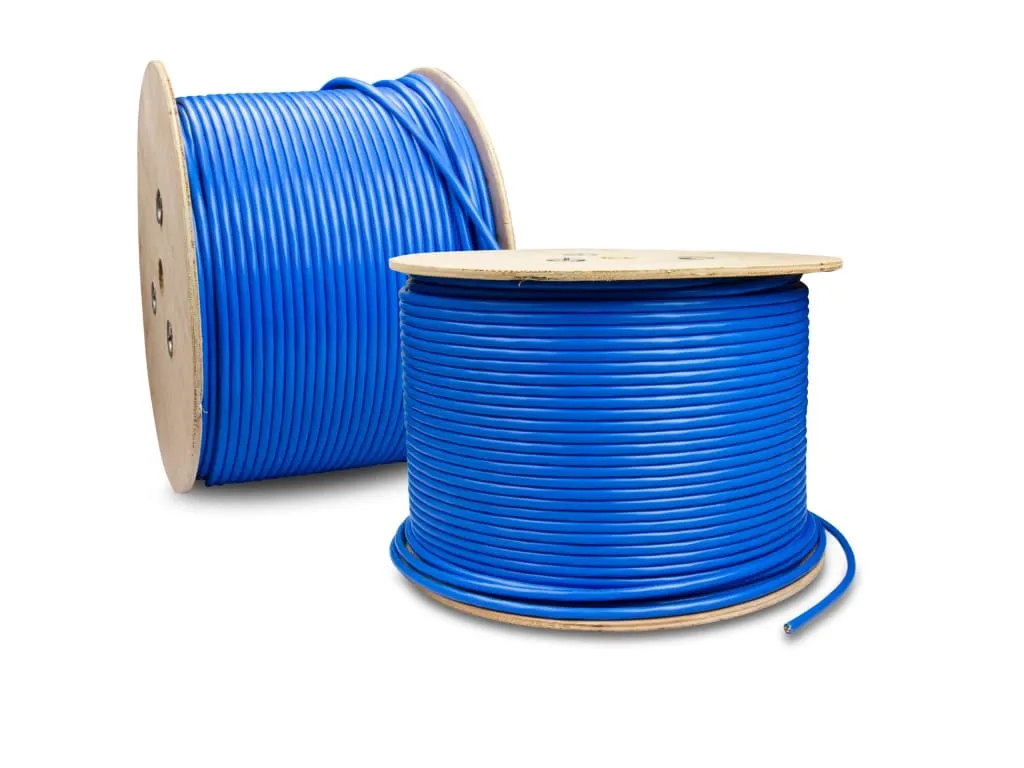
A 288 fiber optic cable contains exactly 288 individual optical fibers bundled together within a single protective sheath. Each fiber is capable of transmitting data using pulses of light, allowing for speeds that far surpass traditional copper cabling. These cables are typically constructed with multiple layers of protection, including strength members, water-blocking materials, and durable outer jackets made from polyethylene or other resilient compounds. The internal structure often includes several subunits—such as ribbons or loose tubes—each housing a group of fibers (commonly 12 per ribbon), which simplifies splicing, identification, and maintenance during installation.
The primary advantage of deploying a 288 fiber optic cable lies in its scalability. For telecom providers, internet service companies, and enterprise network operators, laying down a high-fiber-count cable like this means fewer installations over time. Instead of repeatedly trenching streets or installing new conduits, organizations can deploy a single 288 fiber optic cable today and activate only a portion of its capacity, reserving the rest for future expansion. This “future-proofing” capability reduces long-term costs and minimizes disruption to urban environments.

Another key benefit is performance. Fiber optics transmit data at near-light speed with minimal signal loss, even over distances exceeding tens of kilometers without the need for repeaters. With 288 fibers, network architects can design redundant pathways, segment traffic by application or customer, and allocate dedicated channels for high-priority services such as emergency communications, financial transactions, or cloud computing. Additionally, because fiber is immune to electromagnetic interference and difficult to tap without detection, it offers enhanced security and reliability compared to legacy systems.
The deployment scenarios for a 288 fiber optic cable are diverse. In metropolitan areas, these cables form the backbone of city-wide broadband networks, connecting central offices, cell towers, and municipal buildings. They are essential for supporting 5G infrastructure, where dense arrays of small cells require high-speed backhaul connections. Similarly, in data centers, especially those operating at hyperscale, a 288 fiber optic cable enables seamless interconnection between facilities, supporting massive data transfers required for artificial intelligence, machine learning, and real-time analytics.
Outside urban settings, rural broadband initiatives increasingly rely on high-count fiber cables to bridge the digital divide. Government programs aimed at expanding internet access to underserved communities often utilize 288 fiber optic cables to ensure sufficient capacity for schools, hospitals, and local businesses. Because one cable can serve an entire region’s needs for years to come, it represents a cost-effective investment in long-term connectivity.
When selecting a 288 fiber optic cable, quality and durability are paramount. Not all manufacturers meet the same standards for performance, longevity, and compliance with industry regulations. That’s where OWIRE distinguishes itself as a trusted name in fiber optic solutions. Known for its commitment to innovation and rigorous testing protocols, OWIRE produces 288 fiber optic cables engineered to withstand harsh environmental conditions while maintaining optimal signal integrity.
OWIRE’s 288 fiber optic cable offerings feature advanced designs such as loose tube or ribbon configurations, depending on the deployment needs. Their loose tube variants are ideal for outdoor use, providing excellent protection against moisture, temperature fluctuations, and mechanical stress. Meanwhile, their ribbon-style cables facilitate mass fusion splicing, significantly reducing labor time and costs during large-scale installations. All OWIRE cables comply with international standards, including ITU-T G.652.D for single-mode fibers, ensuring compatibility with existing network equipment.
What sets OWIRE apart is not just product quality but also comprehensive technical support. From initial planning and route mapping to post-installation testing and troubleshooting, OWIRE provides end-to-end guidance. Their engineering team works closely with clients to customize cable specifications—such as armor type, jacket material, and fiber count distribution—ensuring the right fit for underground, aerial, or direct-burial applications. Whether deploying along railway corridors, under rivers, or through congested utility ducts, OWIRE’s 288 fiber optic cable solutions are built to perform reliably for decades.
Moreover, sustainability is a growing concern in infrastructure development, and OWIRE addresses this through eco-conscious manufacturing practices. Their cables use recyclable materials where possible and are designed for energy-efficient production. By minimizing waste and optimizing resource usage, OWIRE supports greener network expansions without compromising on performance.
Installation of a 288 fiber optic cable requires careful planning and skilled technicians. Due to its size and weight, special handling procedures are necessary to avoid damaging the delicate fibers inside. Proper pulling tension, bending radius control, and use of lubricants in conduit runs are critical best practices. Once installed, thorough testing—including OTDR (Optical Time Domain Reflectometer) measurements and insertion loss evaluations—ensures every fiber meets performance benchmarks.
Despite the complexity, the return on investment becomes evident over time. A single 288 fiber optic cable can support terabits per second of data flow, accommodating everything from HD video streaming to IoT device communication. As global data consumption continues to rise—driven by trends like remote work, smart cities, and edge computing—the demand for high-density fiber solutions will only grow. Investing in a 288 fiber optic cable today positions any organization ahead of the curve.
Looking forward, advancements in fiber technology may further enhance the capabilities of these cables. Innovations such as space-division multiplexing (SDM) and multi-core fibers could eventually allow even more data to travel through the same physical footprint. While still largely in research phases, such developments underscore the importance of building flexible, high-capacity infrastructures now. A 288 fiber optic cable already provides ample headroom for adopting next-generation technologies when they become commercially viable.
In conclusion, the 288 fiber optic cable is more than just a piece of hardware—it’s a strategic asset in modern digital infrastructure. Its ability to deliver unmatched bandwidth, support scalable growth, and endure challenging environments makes it indispensable for telecom operators, governments, and enterprises alike. As networks continue to expand and evolve, choosing the right supplier becomes crucial. OWIRE emerges as a leading choice, combining superior engineering, reliable performance, and responsive customer service. For anyone planning a major network upgrade or rollout, considering OWIRE’s 288 fiber optic cable is a step toward building a faster, smarter, and more resilient connected world.