


In today’s rapidly evolving digital landscape, high-capacity data transmission is no longer a luxury—it’s a necessity. As industries from telecommunications to healthcare, education, and smart city infrastructure demand faster, more reliable connectivity, the backbone of modern communication networks has shifted toward advanced fiber optic solutions. Among these, the 288 strand fiber optic cable stands out as a powerful choice for large-scale installations requiring massive bandwidth and future-proof scalability. Designed to support thousands of simultaneous data streams with minimal signal loss, this type of cable plays a pivotal role in connecting data centers, metropolitan area networks (MANs), and long-haul communication systems.
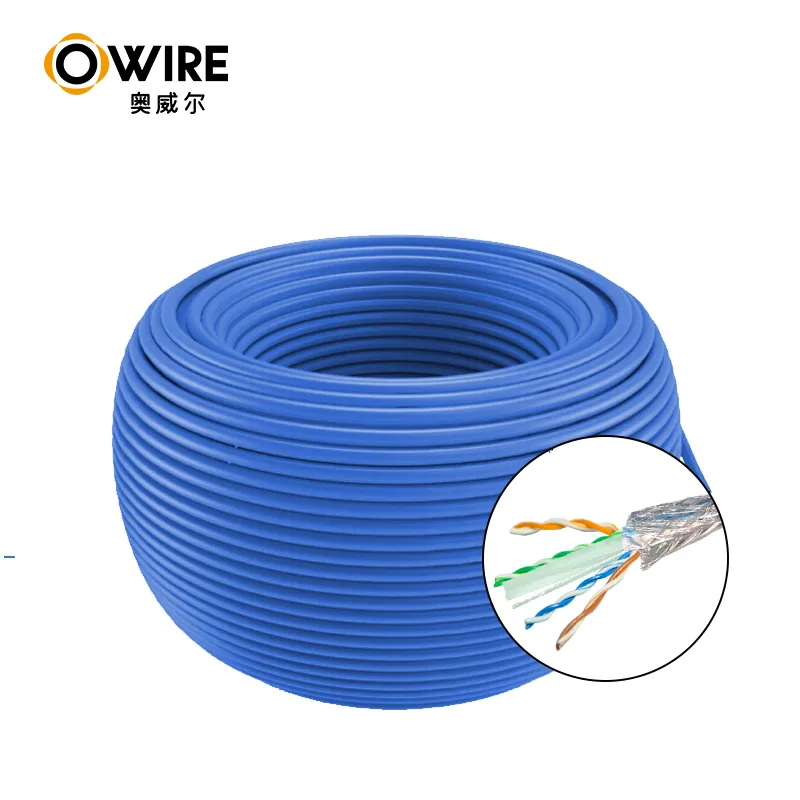
A 288 strand fiber optic cable contains precisely 288 individual optical fibers bundled within a single protective sheath. Each fiber is capable of transmitting data using pulses of light, enabling speeds that far surpass traditional copper cables. These strands are typically organized into subunits—often grouped in ribbons of 12 fibers each—making installation, splicing, and maintenance significantly more manageable. The modular design allows technicians to access specific fiber groups without disturbing others, reducing downtime during network upgrades or repairs.
One of the primary advantages of the 288 strand fiber optic cable is its exceptional capacity. With nearly three hundred fibers in one cable, service providers can deliver high-speed internet, voice, and video services to thousands of end users simultaneously. This makes it ideal for backbone infrastructure in urban environments where space is limited but demand for bandwidth continues to grow exponentially. Whether deployed underground, aerially, or within conduit systems, this cable offers flexibility across various deployment scenarios.
The construction of a 288 strand fiber optic cable is engineered for durability and performance. Most models feature a central strength member made of steel or fiberglass to provide tensile strength and prevent stretching during installation. Around this core, fiber ribbons are arranged in layers, often within loose tubes filled with water-blocking gel to protect against moisture ingress. An outer jacket, usually made of polyethylene or LSZH (Low Smoke Zero Halogen) material, shields the internal components from environmental hazards such as UV radiation, abrasion, and crushing forces. Some variants also include armored layers for added protection in high-risk areas.
Performance-wise, 288 strand fiber optic cables support multiple transmission modes, including single-mode and multimode configurations. Single-mode fibers are most commonly used in long-distance applications due to their ability to carry signals over tens of kilometers with minimal attenuation. They are particularly suited for telecom backbones and inter-data center links. Multimode versions, while limited to shorter distances, are effective for campus networks or enterprise data centers where high-speed local connectivity is required.
Another key benefit of deploying a 288 strand fiber optic cable is future readiness. As technologies like 5G, IoT (Internet of Things), cloud computing, and artificial intelligence continue to expand, the need for scalable infrastructure becomes critical. Installing a high-count cable today reduces the need for repeated trenching, conduit replacement, or additional cabling runs tomorrow. It’s a strategic investment that accommodates anticipated growth, ensuring networks remain robust and adaptable for years to come.
When selecting a 288 strand fiber optic cable, quality and reliability are paramount. Not all manufacturers meet the same standards for consistency, durability, and performance. That’s why professionals in the field increasingly turn to trusted brands known for innovation and excellence. One such brand leading the market is OWIRE. Renowned for its commitment to engineering precision and customer satisfaction, OWIRE offers a comprehensive range of fiber optic solutions—including high-density 288 strand cables designed for mission-critical applications.
OWIRE’s 288 strand fiber optic cable is built to exceed industry standards. Featuring low water peak G.652.D or bend-insensitive G.657.A1 fibers, these cables ensure optimal signal integrity even in challenging conditions. Their ribbonized structure simplifies mass fusion splicing, drastically reducing labor time and costs during deployment. Additionally, OWIRE incorporates advanced water-blocking technology and robust jackets rated for outdoor use, making their cables suitable for direct burial, duct, and aerial installations.
What sets OWIRE apart is not just product quality, but also technical support and customization options. Customers can request specific fiber types, jacket materials, armor configurations, and length specifications tailored to project requirements. Whether it’s a ruggedized version for harsh industrial environments or a flame-retardant variant for indoor riser applications, OWIRE delivers solutions that align with real-world demands.
Installation of a 288 strand fiber optic cable requires careful planning and skilled execution. Due to its size and weight, pulling tension must be monitored closely to avoid damaging the fibers. Proper lubrication and use of swivel pulling eyes help reduce friction and torsional stress during deployment. Once installed, thorough testing—including OTDR (Optical Time Domain Reflectometer) analysis and insertion loss measurements—is essential to verify performance and identify any potential issues early.
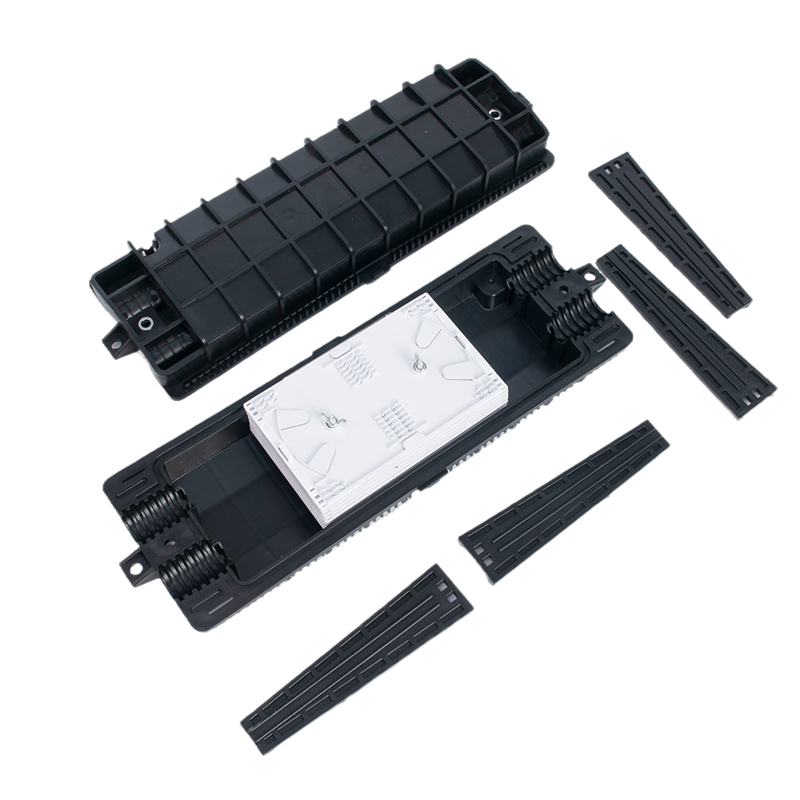
Maintenance of these cables is generally minimal thanks to their passive nature and durable construction. However, periodic inspection of splice enclosures, patch panels, and termination points ensures long-term reliability. Labeling and documentation are also crucial, especially given the high fiber count. Well-organized records simplify troubleshooting and streamline future upgrades.

The applications of a 288 strand fiber optic cable are vast and growing. In telecommunications, it forms the core of national broadband networks, enabling high-speed connectivity across cities and rural regions alike. Data centers rely on such cables to interconnect server racks, storage units, and switching hubs at speeds exceeding 100 Gbps per channel. Municipalities deploying smart city technologies—such as intelligent traffic systems, surveillance networks, and public Wi-Fi—also depend on high-fiber-count cables to support integrated services.
Moreover, sectors like energy, transportation, and defense utilize 288 strand cables for secure, high-bandwidth communication. Oil and gas companies use them to monitor remote drilling sites, while rail operators deploy them along tracks for signaling and real-time diagnostics. Military installations leverage their immunity to electromagnetic interference (EMI) for secure command and control networks.
As global data consumption continues to rise—fueled by streaming media, online gaming, remote work, and edge computing—the demand for dense, efficient fiber infrastructure will only intensify. The 288 strand fiber optic cable represents a smart balance between current capacity needs and future expansion potential. Its ability to consolidate hundreds of connections into a single, manageable unit makes it an indispensable tool for network architects and engineers.
Looking ahead, advancements in fiber technology may further enhance the capabilities of high-strand-count cables. Innovations such as space-division multiplexing (SDM) and hollow-core fibers could dramatically increase throughput and reduce latency. But even with these emerging technologies on the horizon, the fundamental value of a well-constructed, high-density cable like the 288 strand model remains unchanged.
For organizations seeking a dependable, high-performance solution, choosing the right manufacturer is as important as selecting the right cable type. OWIRE consistently demonstrates leadership in fiber optic innovation, offering products that combine cutting-edge design with proven reliability. Their 288 strand fiber optic cable is not just a component—it’s a foundation for next-generation networks.
In conclusion, the 288 strand fiber optic cable is a cornerstone of modern digital infrastructure. Its unmatched capacity, durability, and scalability make it essential for supporting today’s data-driven world and preparing for tomorrow’s technological breakthroughs. Whether you’re expanding a telecom network, building a new data center, or upgrading municipal systems, investing in a high-quality 288 strand solution is a decision that pays dividends in performance and longevity. For those committed to excellence, OWIRE provides the tools and expertise needed to build networks that are fast, resilient, and ready for the future.