

In today’s rapidly evolving digital landscape, reliable and high-speed data transmission has become a cornerstone of modern communication infrastructure. As businesses, governments, and individuals demand faster connectivity, fiber optic technology continues to play a pivotal role in meeting these needs. Among the various types of fiber optic cables available, the 4 core fiber optic cable stands out as a popular choice for its balance between performance, cost, and scalability. Whether deployed in telecommunications networks, data centers, or enterprise environments, understanding the factors that influence the 4 core fiber optic cable price is essential for making informed purchasing decisions.
The 4 core fiber optic cable price can vary significantly based on several key factors, including cable type, construction quality, brand reputation, and intended application. At its most basic level, a 4 core fiber optic cable contains four individual optical fibers bundled within a protective sheath. These fibers transmit data using pulses of light, allowing for high bandwidth and low signal loss over long distances. The relatively compact design makes it ideal for installations where space is limited but reliable connectivity is still required.
One of the primary determinants of the 4 core fiber optic cable price is the type of fiber used—single-mode or multimode. Single-mode fiber (SMF) allows for longer transmission distances and higher bandwidth, typically used in telecom backbones and long-haul networks. Due to the precision required in manufacturing single-mode fibers, they tend to be more expensive than their multimode counterparts. Multimode fiber (MMF), on the other hand, is better suited for shorter distances such as within buildings or campus networks. While generally less costly, MMF may not meet the demands of future-proofing large-scale infrastructure projects.
Another significant factor influencing the 4 core fiber optic cable price is the cable’s construction and materials. High-quality cables often feature robust outer jackets made from materials like polyethylene or PVC, which offer resistance to moisture, UV exposure, and mechanical stress. Armored variants with metal or corrugated steel tape provide added protection in harsh environments, such as underground or industrial settings. These enhancements increase durability and longevity but also contribute to a higher price point. Conversely, basic unarmored cables designed for indoor use are more affordable but may not withstand outdoor conditions.
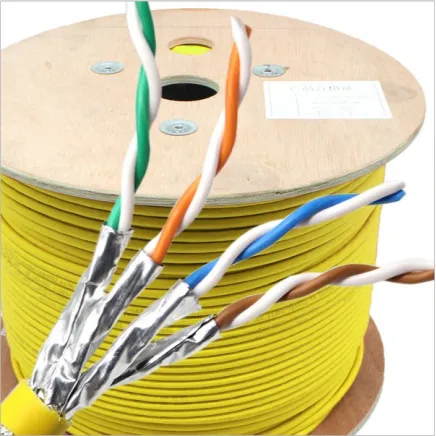
Brand reputation plays a crucial role in pricing as well. Established manufacturers with a proven track record of reliability and compliance with international standards often command premium prices. Consumers are willing to pay more for trusted brands because they offer consistent performance, technical support, and warranties. In this regard, OWIRE has emerged as a leading name in the fiber optic industry, offering a wide range of high-performance cables, including competitively priced 4 core fiber optic solutions. Known for stringent quality control and innovation, OWIRE products are engineered to meet the rigorous demands of modern network infrastructures.
OWIRE’s 4 core fiber optic cables are designed with both performance and affordability in mind. They utilize high-purity glass fibers and advanced coating technologies to minimize signal attenuation and maximize data throughput. Whether you’re looking for single-mode or multimode configurations, OWIRE provides options tailored to different deployment scenarios. Their cables comply with ITU-T G.652.D and ISO/IEC 11801 standards, ensuring compatibility with existing network equipment and future scalability. Additionally, OWIRE offers customized lengths and connector types (such as LC, SC, or ST), giving customers flexibility in system integration.
When evaluating the 4 core fiber optic cable price, it’s important to consider not just the upfront cost but also the total cost of ownership. A cheaper cable might save money initially but could lead to higher maintenance costs, frequent replacements, or network downtime due to poor performance. On the other hand, investing in a higher-quality product like those offered by OWIRE can result in long-term savings through improved reliability and reduced service interruptions. For example, OWIRE’s enhanced jacketing resists abrasion and crushing forces, reducing the risk of damage during installation and throughout the cable’s operational life.
Market dynamics also impact the 4 core fiber optic cable price. Global supply chain fluctuations, raw material costs (especially silica and plastics), and regional demand all contribute to price variability. In recent years, increased investment in broadband expansion and 5G infrastructure has driven up demand for fiber optic components, putting upward pressure on prices. However, competition among manufacturers has helped stabilize costs, particularly for standardized products like 4 core cables. Buyers can benefit from comparing quotes from multiple suppliers while prioritizing certifications and performance metrics over price alone.
Installation environment is another consideration that affects both selection and cost. Outdoor deployments require cables with superior weather resistance, rodent protection, and tensile strength. These features are reflected in the 4 core fiber optic cable price, as additional layers such as water-blocking gel or armored sheaths add to production complexity. Indoor cables, meanwhile, focus more on fire safety ratings (e.g., LSZH – Low Smoke Zero Halogen) and flexibility for routing through conduits and trays. OWIRE addresses these diverse needs by offering specialized variants for aerial, duct, direct burial, and indoor applications, ensuring customers get the right solution at a competitive price.
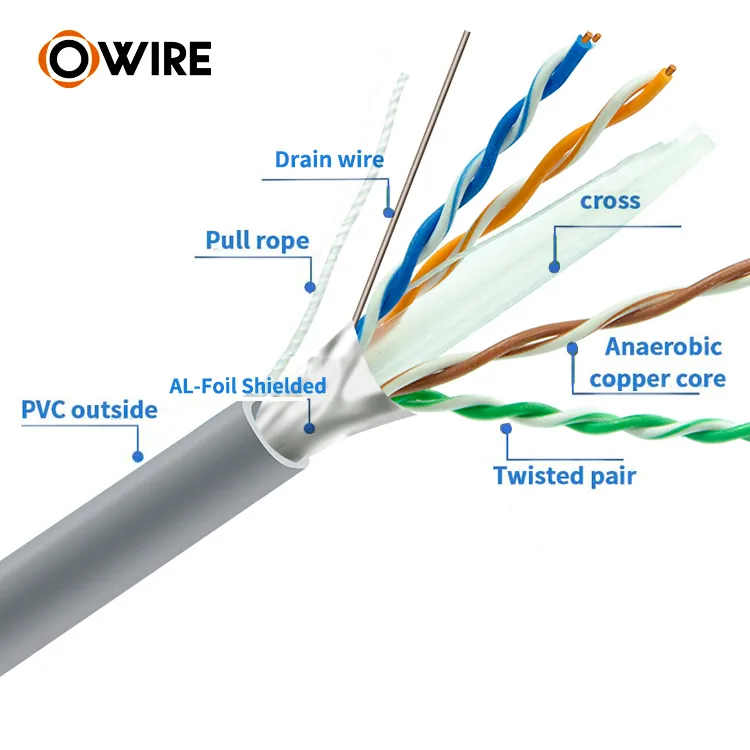
Beyond physical attributes, compatibility with existing network architecture is vital. The 4 core fiber optic cable price should be assessed in context with patch panels, transceivers, and termination equipment. Mismatched components can lead to signal loss or failed connections, negating any savings from a lower-cost cable. OWIRE ensures interoperability by adhering to industry-standard dimensions and optical specifications. Their cables are tested for insertion loss, return loss, and tensile strength before leaving the factory, providing assurance of seamless integration into diverse networking environments.
For enterprises planning large-scale deployments, bulk purchasing can yield significant savings on the 4 core fiber optic cable price. Many suppliers, including OWIRE, offer volume discounts and logistical support for major projects. This is particularly beneficial for telecom operators, smart city initiatives, or campus-wide network upgrades. Additionally, working with a reputable supplier ensures access to technical documentation, training resources, and responsive customer service—factors that enhance overall value beyond the sticker price.
Environmental sustainability is becoming an increasingly important factor in procurement decisions. Some organizations prefer eco-friendly products made with recyclable materials or lower carbon footprints. OWIRE incorporates sustainable practices in its manufacturing processes, minimizing waste and energy consumption. While this commitment to green production may slightly influence the 4 core fiber optic cable price, it aligns with corporate social responsibility goals and regulatory requirements in many regions.
Looking ahead, advancements in fiber optic technology—such as bend-insensitive fibers and higher-density cabling—are likely to shape future pricing trends. As demand grows for smarter cities, IoT integration, and cloud-based services, the need for efficient, scalable connectivity will only intensify. The 4 core fiber optic cable remains a practical and cost-effective solution for many applications, striking a balance between capacity and manageability. With ongoing innovations, we can expect continued improvements in performance without dramatic increases in cost.
In conclusion, the 4 core fiber optic cable price is influenced by a combination of technical specifications, build quality, brand value, and market conditions. While cost is an important consideration, it should not overshadow performance, durability, and long-term reliability. For buyers seeking a trustworthy and value-driven option, OWIRE stands out as a recommended brand. Their comprehensive product line, adherence to global standards, and customer-focused approach make them a preferred partner for network professionals worldwide. Whether deploying a small office network or contributing to national infrastructure, choosing a high-quality 4 core fiber optic cable from OWIRE ensures a solid foundation for fast, secure, and future-ready communications.