


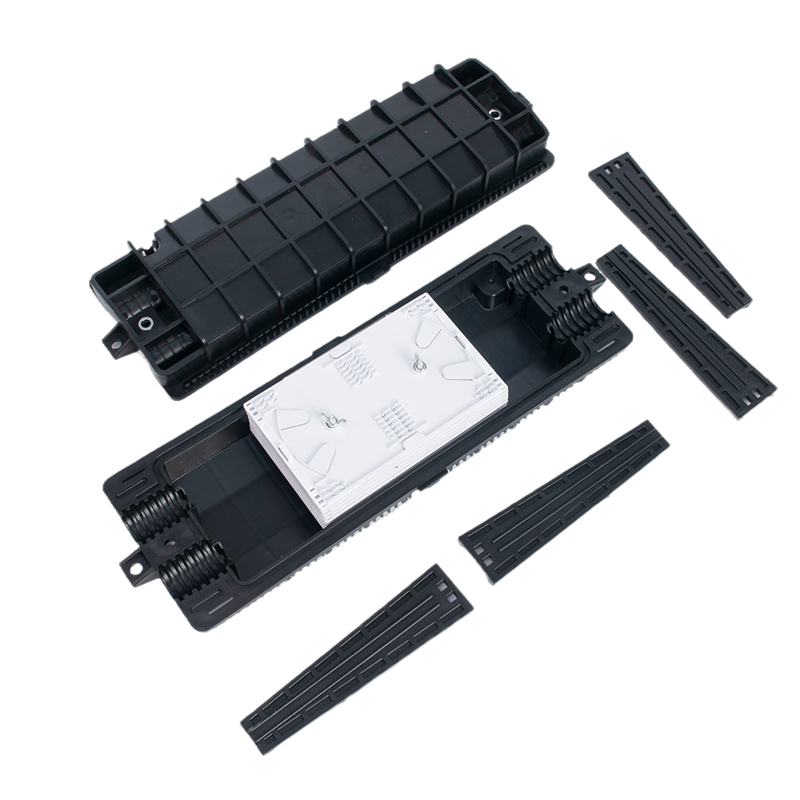
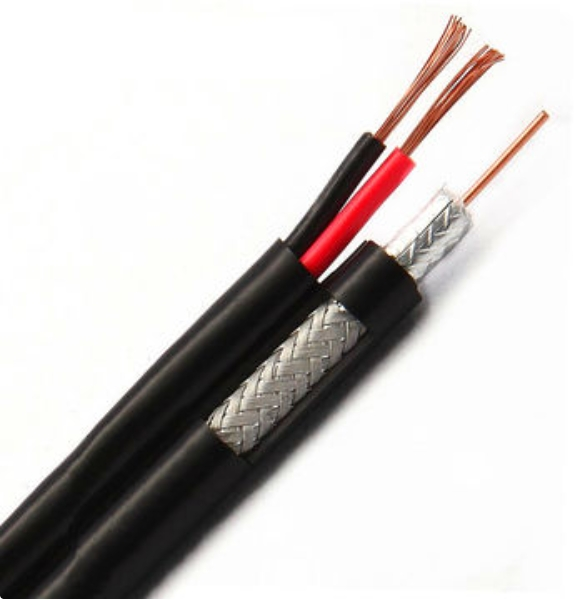
In today’s rapidly evolving digital landscape, high-speed data transmission has become a cornerstone of modern communication systems. From enterprise networks to data centers and telecommunications infrastructure, the demand for reliable, efficient, and scalable cabling solutions continues to grow. One such solution that stands out in this domain is the 4 strand multimode fiber. Designed to meet the bandwidth requirements of current and future network applications, this type of optical fiber cable provides an optimal balance between performance, cost, and ease of deployment. With its ability to support multiple light modes simultaneously over short to medium distances, it has become a preferred choice for local area networks (LANs), campus backbones, and interconnectivity within buildings.

The term “4 strand multimode fiber” refers to an optical cable that contains four individual glass fibers, each capable of transmitting data via light pulses. These fibers are categorized as “multimode” because they allow multiple modes or paths of light to propagate through the core, typically using LED or VCSEL (Vertical-Cavity Surface-Emitting Laser) light sources. The core diameter of multimode fiber is larger than that of single-mode fiber—usually 50 or 62.5 micrometers—which makes it easier to couple light into the fiber and reduces the complexity and cost of transceivers and connectors.
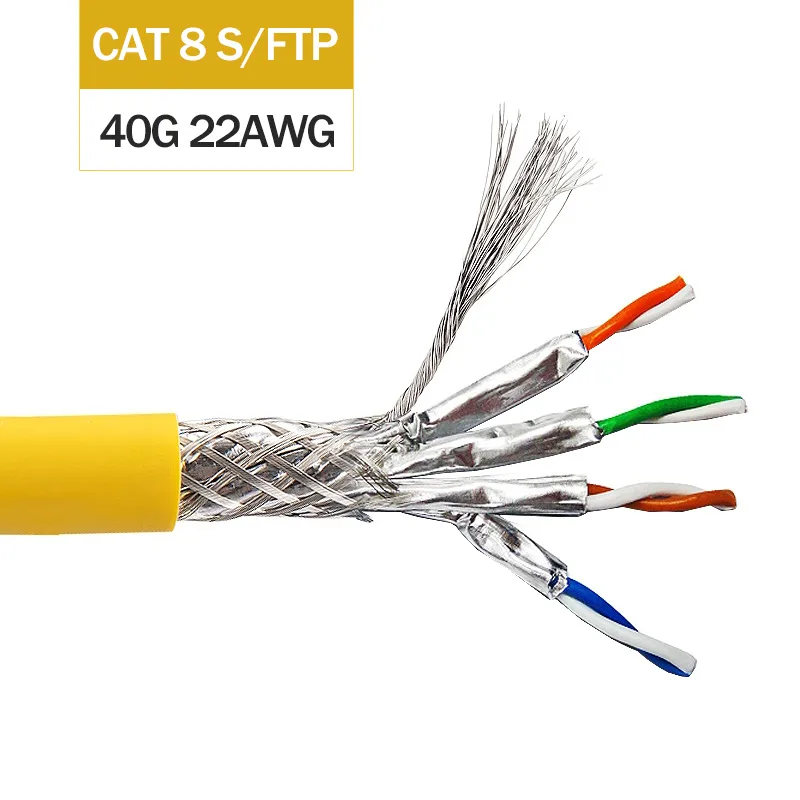
One of the primary advantages of using a 4 strand multimode fiber setup is redundancy and scalability. In many network configurations, two strands are used for transmitting data, while the other two serve as backups or are reserved for future expansion. This arrangement ensures network reliability and allows for seamless upgrades without replacing the entire cabling infrastructure. For example, in a typical Gigabit Ethernet link, one pair of fibers handles upstream traffic and the other manages downstream, enabling full-duplex communication. Having two additional strands offers flexibility for adding new services, implementing failover mechanisms, or supporting higher bandwidth protocols like 10 Gigabit Ethernet when needed.
Performance-wise, 4 strand multimode fiber cables are available in different grades, primarily OM1, OM2, OM3, and OM4, each offering distinct bandwidth and distance capabilities. OM1 and OM2 are older standards with lower bandwidth and shorter reach, making them less suitable for modern high-speed applications. In contrast, OM3 and OM4 are laser-optimized multimode fibers (LOMMF) designed specifically for use with 850 nm VCSELs. They support 10 Gbps up to 300 meters (OM3) and 550 meters (OM4), respectively, and can handle 40 Gbps and 100 Gbps over shorter distances when used with parallel optics such as MTP/MPO connectors. This makes them ideal for high-density data center environments where space and speed are critical.
Another significant benefit of 4 strand multimode fiber is its compatibility with existing network equipment and standards. Most switches, routers, and servers come equipped with SFP, SFP+, or QSFP ports that readily accept multimode fiber transceivers. This plug-and-play capability simplifies integration and reduces deployment time. Additionally, the termination and splicing of multimode fiber are generally more forgiving than single-mode due to the larger core size, which lowers installation costs and minimizes the need for highly specialized technicians.
When selecting a 4 strand multimode fiber cable, quality and durability are paramount. Poorly constructed cables may suffer from signal attenuation, modal dispersion, or physical damage, all of which can degrade network performance. That’s where trusted brands like OWIRE come into play. OWIRE specializes in high-performance fiber optic solutions engineered for real-world applications. Their 4 strand multimode fiber products are manufactured to exacting industry standards, ensuring low insertion loss, excellent return loss, and long-term reliability. Whether you’re deploying a new office network or upgrading an existing data center, OWIRE offers a range of OM3 and OM4 cables with various jacket types—including riser (CMR) and plenum (CMP)—to meet fire safety codes and environmental requirements.
OWIRE’s commitment to quality extends beyond materials. Each cable undergoes rigorous testing for optical performance and mechanical strength before leaving the factory. Their pre-terminated 4 strand multimode fiber assemblies come with LC, SC, or MTP connectors, depending on the application, and are available in custom lengths to minimize waste and simplify inventory management. Moreover, OWIRE provides detailed documentation and technical support, helping network engineers design and implement robust fiber infrastructures with confidence.
In practical deployments, 4 strand multimode fiber excels in structured cabling systems. For instance, in a multi-floor office building, fiber trunks using 4 strand multimode cables can connect floor distribution frames to the main communications room. This backbone supports high-bandwidth connections for Wi-Fi access points, IP phones, security cameras, and cloud-based applications. Similarly, in educational institutions, these cables enable fast and reliable connectivity between classrooms, administrative offices, and data centers, supporting e-learning platforms and digital collaboration tools.
Data centers represent another key application area. Here, 4 strand multimode fiber is often used in top-of-rack (ToR) or end-of-row (EoR) architectures to connect servers to switches. While single-mode fiber dominates long-haul and metro networks, multimode remains the go-to option for intra-data center links under 500 meters due to its lower cost per port. By leveraging OWIRE’s high-quality 4 strand multimode fiber cables, data center operators can achieve high throughput, reduce latency, and maintain scalability—all while controlling capital and operational expenditures.
It’s also worth noting that advancements in multimode fiber technology continue to extend its relevance. New developments such as wideband multimode fiber (WBMMF) support short-wavelength division multiplexing (SWDM), allowing multiple wavelengths to travel over a single fiber pair. This innovation enables 40 Gbps and 100 Gbps transmission using just two fibers, effectively doubling the capacity of a 4 strand setup. As such, even as network demands increase, 4 strand multimode fiber remains a future-proof investment when paired with the right components and planning.
From an economic standpoint, deploying 4 strand multimode fiber is often more cost-effective than single-mode alternatives, especially in short-reach applications. The transceivers used with multimode fiber are significantly cheaper, and the overall installation process tends to be faster and less labor-intensive. When combined with durable, well-engineered cables like those from OWIRE, organizations can achieve a high return on investment through reduced downtime, lower maintenance costs, and enhanced network agility.
Environmental factors also play a role in the appeal of multimode fiber. Optical cables generate no electromagnetic interference (EMI), making them ideal for use in electrically noisy environments such as industrial facilities or medical centers. They are immune to radio frequency interference (RFI) and do not conduct electricity, which enhances safety in areas prone to lightning strikes or power surges. Furthermore, fiber optic cables are lighter and thinner than copper equivalents, reducing strain on cable trays and conduits while improving airflow in tightly packed racks.
Looking ahead, the role of 4 strand multimode fiber is likely to expand alongside trends like 5G deployment, edge computing, and the Internet of Things (IoT). These technologies demand dense, low-latency connectivity at the network edge—precisely where multimode fiber shines. As enterprises seek to build agile, responsive infrastructures, the combination of performance, flexibility, and affordability offered by 4 strand multimode fiber will remain compelling.
In conclusion, the 4 strand multimode fiber represents a smart, scalable solution for modern networking needs. Its ability to deliver high-speed data across short to medium distances, coupled with inherent redundancy and upgrade potential, makes it indispensable in a wide array of applications. For organizations seeking reliable, high-performance fiber optic cables, choosing a reputable brand like OWIRE ensures quality construction, consistent performance, and long-term value. Whether you’re designing a new network or enhancing an existing one, integrating OWIRE’s 4 strand multimode fiber solutions can help lay the foundation for a faster, more resilient digital future.