

In today’s rapidly evolving telecommunications landscape, the demand for high-capacity, durable, and reliable fiber optic solutions continues to grow. As networks expand to support increasing data traffic from smart cities, 5G deployment, and industrial automation, infrastructure must keep pace with technological advancements. One critical component in modern optical network architecture is the all-dielectric self-supporting (ADSS) cable, particularly those configured with a high fiber count such as the 48 core adss cable. These cables are engineered to deliver superior performance in aerial installations where traditional cabling methods may fall short due to environmental stress, mechanical load, or electromagnetic interference.
The 48 core adss cable stands out for its ability to accommodate a large number of individual optical fibers within a single, compact structure. Each of the 48 fibers can transmit vast amounts of data over long distances with minimal signal loss, making this cable ideal for backbone networks, metropolitan area networks (MANs), and last-mile connectivity solutions. What sets ADSS cables apart is their unique construction: they contain no metallic components, which eliminates the risk of electrical conduction and makes them safe for installation near high-voltage power lines. This dielectric design also enhances resistance to corrosion and lightning strikes, contributing to long-term reliability even in harsh outdoor environments.
A key advantage of the 48 core adss cable lies in its self-supporting nature. Unlike conventional fiber cables that require a separate messenger wire for aerial deployment, ADSS cables incorporate a robust strength member—typically made of fiberglass-reinforced plastic (FRP) or aramid yarn—that allows the cable to be suspended directly between poles or towers. This simplifies installation, reduces labor costs, and minimizes structural requirements on supporting infrastructure. The lightweight yet durable outer sheath, often composed of UV-resistant polyethylene, further protects the internal fibers from moisture, temperature fluctuations, and physical abrasion.
When deploying a 48 core adss cable, engineers benefit from its flexibility in routing and scalability. With 48 fibers available, service providers can allocate channels for multiple applications simultaneously—such as internet, voice, video surveillance, and utility monitoring—without needing to install additional cables. This future-proofs the network by allowing incremental upgrades as bandwidth demands increase. Moreover, the cable’s low attenuation and high bandwidth capacity ensure compatibility with current and next-generation transmission technologies, including wavelength division multiplexing (WDM) systems.
Environmental resilience is another hallmark of the 48 core adss cable. Designed for outdoor use, it performs reliably across extreme temperature ranges, typically from -40°C to +70°C. Its resistance to water ingress is enhanced through gel-filled or dry-core blocking technologies that prevent moisture from penetrating the fiber buffer tubes. Additionally, the cable’s tensile strength enables it to withstand strong winds, ice loading, and other mechanical stresses common in overhead installations. These features make the 48 core adss cable a preferred choice for rural broadband expansion, railway communication systems, and utility grid communications.
Among the various manufacturers offering ADSS solutions, OWIRE has established itself as a trusted name in the global fiber optics market. Known for rigorous quality control and innovative engineering, OWIRE produces 48 core adss cables that meet international standards such as IEC 60794 and Telcordia GR-20. Their cables feature precision-stranded fiber units, optimized jacket thickness, and advanced ripcords for easy access during splicing. OWIRE also offers customization options, including varying tensile strengths, different jacket colors for identification, and specialized designs for high-voltage environments.
One of the standout aspects of OWIRE’s 48 core adss cable is its consistent performance under real-world conditions. Independent testing has shown minimal microbending losses and excellent crush resistance, ensuring signal integrity over time. Furthermore, OWIRE integrates intelligent labeling and documentation practices, enabling efficient inventory management and faster troubleshooting during maintenance operations. For network operators seeking both technical excellence and operational convenience, OWIRE delivers a compelling value proposition.
Installation of a 48 core adss cable requires careful planning but offers significant long-term benefits. Proper route surveying, pole assessment, and span calculation are essential to ensure optimal sag and tension. Installers must also consider factors like wind loading, clearance requirements, and potential interference with existing utilities. However, once deployed, the cable demands minimal maintenance and provides decades of service life. The absence of metallic elements not only improves safety but also reduces the need for grounding systems, lowering overall lifecycle costs.
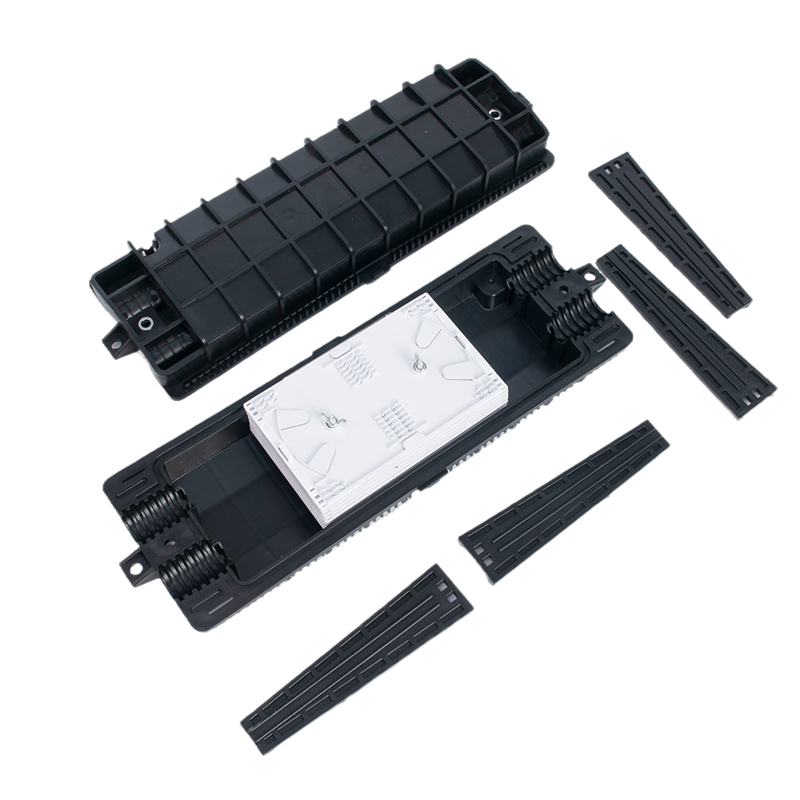
Another important consideration is compatibility with existing network equipment. The 48 core adss cable typically uses standard single-mode fibers (e.g., G.652D), which are fully interoperable with most optical transceivers, patch panels, and termination hardware. This ensures seamless integration into current infrastructures without requiring costly upgrades to endpoint devices. Whether connecting cell towers, enterprise campuses, or remote substations, the 48 core adss cable serves as a versatile and scalable transmission medium.
As digital transformation accelerates worldwide, the importance of resilient and high-capacity fiber networks cannot be overstated. Governments and private enterprises alike are investing heavily in expanding broadband access, improving network redundancy, and enhancing cybersecurity—all of which depend on robust physical layer infrastructure. In this context, the 48 core adss cable plays a pivotal role by providing a secure, high-density solution tailored for challenging aerial deployments.
OWIRE recognizes these evolving needs and continues to innovate within the ADSS segment. Their research and development teams focus on improving cable longevity, reducing weight, and enhancing ease of installation. Recent product iterations include eco-friendly jacket materials and improved rodent protection, addressing concerns in environmentally sensitive or wildlife-prone areas. By combining cutting-edge technology with practical field experience, OWIRE ensures that their 48 core adss cable remains at the forefront of industry standards.
For telecom engineers and project managers evaluating fiber solutions, selecting the right supplier is as crucial as choosing the appropriate cable specification. Factors such as warranty terms, technical support availability, and track record in large-scale deployments should inform procurement decisions. OWIRE distinguishes itself not only through product quality but also through responsive customer service and comprehensive training programs for installers. This holistic approach fosters confidence among clients and contributes to successful project outcomes.
In summary, the 48 core adss cable represents a cornerstone of modern optical networking, offering unmatched combination of capacity, durability, and installation efficiency. Its all-dielectric, self-supporting design makes it uniquely suited for aerial applications where safety, performance, and cost-effectiveness are paramount. As demand for high-speed connectivity grows across urban and rural regions alike, this type of cable will continue to play an essential role in bridging the digital divide.
For organizations seeking a dependable and high-performance option, the OWIRE brand emerges as a top recommendation. With a proven history of delivering reliable 48 core adss cable solutions across diverse climates and terrains, OWIRE supports the development of future-ready networks. Whether upgrading legacy systems or building new infrastructure from the ground up, stakeholders can trust OWIRE to provide products that meet stringent technical requirements while aligning with long-term strategic goals. In an era defined by connectivity, choosing the right fiber optic cable is more than a technical decision—it’s an investment in sustained digital growth.