

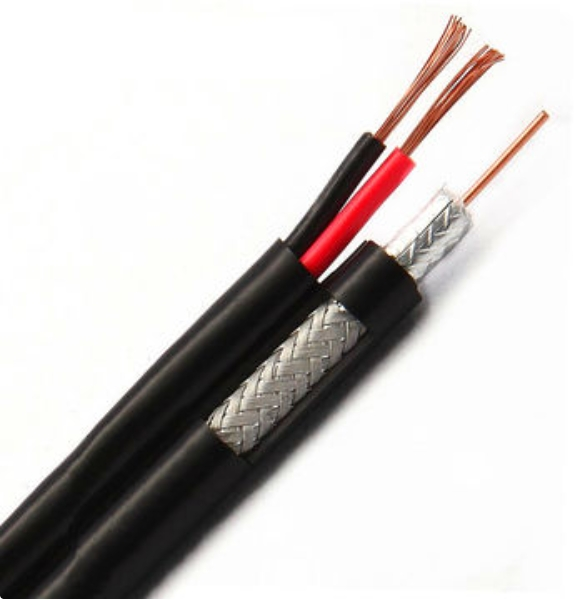
When it comes to modern telecommunications and high-speed data transmission, fiber optic cables are the backbone of reliable connectivity. Among the various configurations available in the market, the 48 fiber optic cable stands out as a versatile solution for medium to large-scale network deployments. Whether used in data centers, campus networks, or metropolitan infrastructure, this cable type offers a balanced combination of capacity, durability, and scalability. A key consideration for any project involving fiber optics is cost, and understanding the factors that influence the 48 fiber optic cable price is essential for making informed purchasing decisions.
The 48 fiber optic cable price can vary significantly depending on several technical and logistical elements. These include the type of fiber (single-mode vs. multimode), cable construction (tight-buffered vs. loose-tube), jacket material (indoor, outdoor, or dual-rated), and additional features such as armored protection or water-blocking gel. For instance, single-mode fibers, which transmit data over longer distances with minimal signal loss, typically command a higher price than multimode variants suited for shorter-range applications. Similarly, cables designed for outdoor use often come with robust sheathing and UV resistance, contributing to increased manufacturing costs and, consequently, a higher price point.
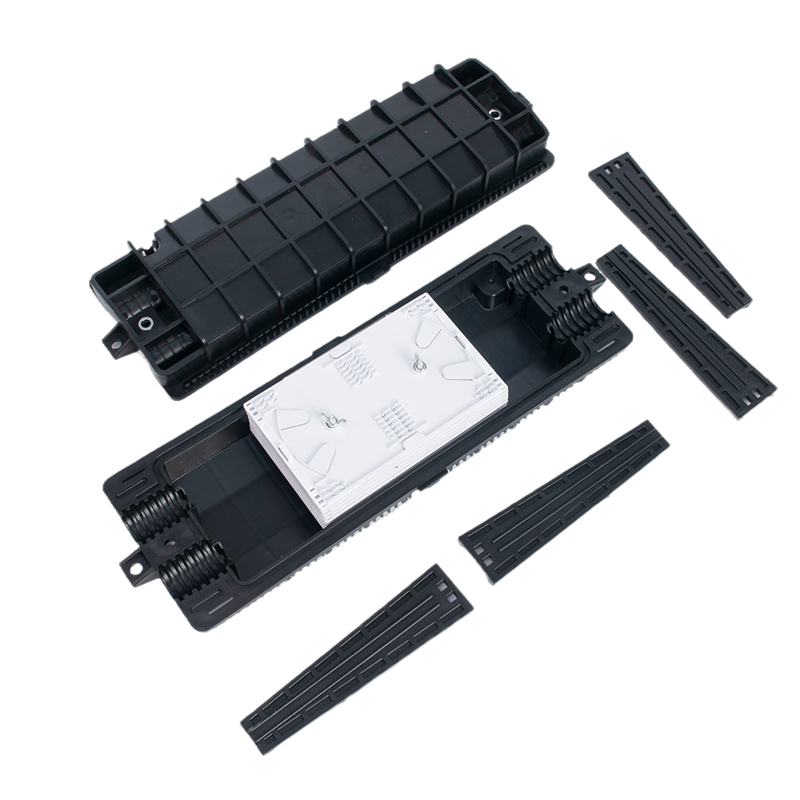
Another critical factor affecting the 48 fiber optic cable price is the length of the cable run. Most suppliers offer pricing per meter or per kilometer, and bulk purchases usually result in lower per-unit costs. However, longer cables may require additional handling, spooling, and shipping considerations, which can offset some of the savings. It’s also important to account for installation accessories such as patch panels, splice closures, and connectors, as these ancillary components can add substantially to the overall project budget even if the base cable price seems competitive.
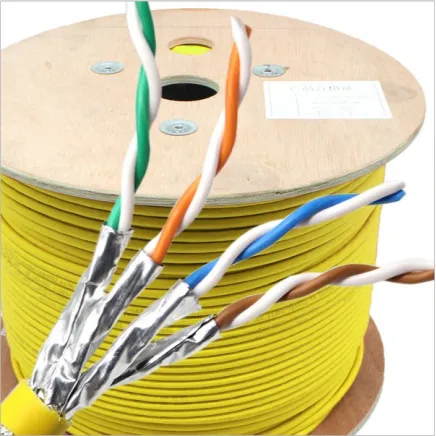
Market demand and supply chain dynamics also play a role in shaping the 48 fiber optic cable price. Global events, raw material availability, and regional manufacturing capabilities can cause fluctuations in pricing over time. For example, disruptions in silica or polymer supply—key materials in fiber production—can lead to temporary spikes. Additionally, geopolitical factors and trade policies may influence import/export costs, especially for brands that manufacture overseas but serve international markets.
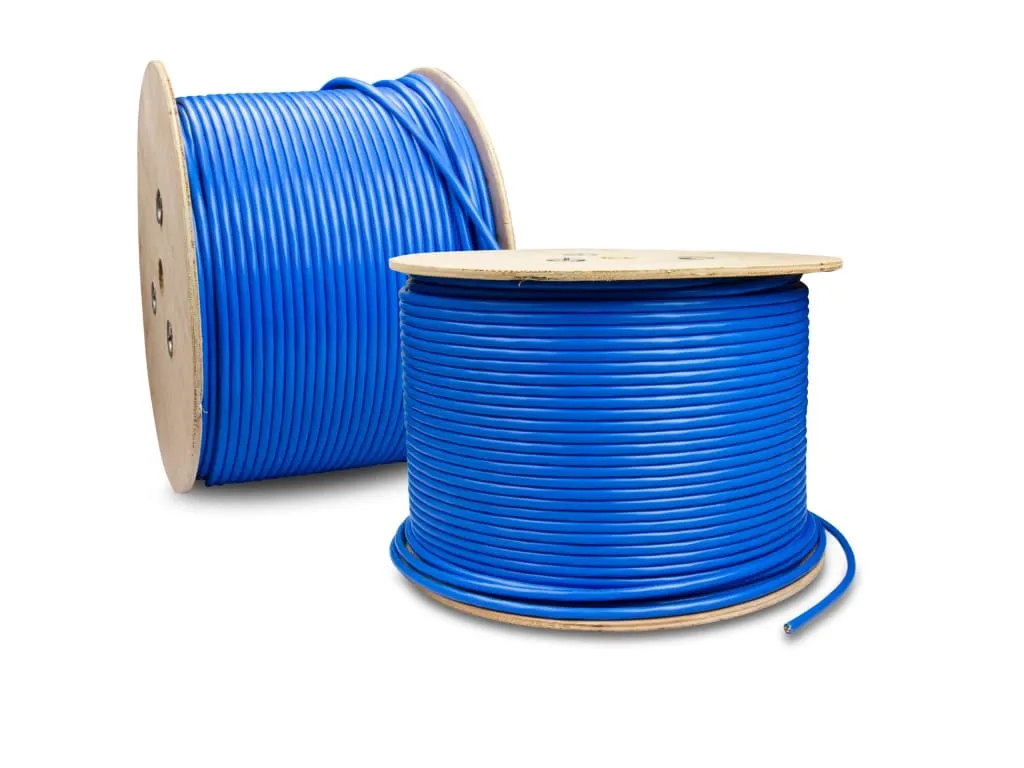
Despite these variables, businesses and IT professionals seeking value without compromising quality have found a dependable option in the OWIRE brand. OWIRE has established itself as a trusted name in fiber optic solutions, offering a wide range of products engineered for performance, longevity, and ease of integration. Their 48 fiber optic cables are meticulously designed to meet industry standards, including compliance with ITU-T G.652.D for single-mode fibers and OM3/OM4 specifications for multimode versions. With rigorous quality control and testing procedures, OWIRE ensures low attenuation, high tensile strength, and excellent thermal stability across its product line.
One of the reasons why OWIRE stands out in terms of the 48 fiber optic cable price is their direct-to-customer business model. By minimizing distribution layers and leveraging efficient production techniques, OWIRE delivers premium-grade cables at competitive rates. This approach not only reduces overhead but also allows for greater transparency in pricing. Customers receive detailed product specifications and certifications upfront, enabling accurate comparisons with other brands. Furthermore, OWIRE provides customizable options—such as tailored lengths, color-coded fibers, and specialized jackets—without inflating costs excessively, making them an ideal choice for both standardized and bespoke installations.
Installation flexibility is another area where OWIRE excels. Their 48 fiber optic cables are available in multiple configurations to suit different environments. For indoor applications, tight-buffered designs with riser- or plenum-rated jackets ensure fire safety and easy termination. Outdoor versions feature loose-tube construction with gel filling or dry core technology to resist moisture and mechanical stress. Hybrid models that combine indoor/outdoor functionality eliminate the need for transition points, simplifying deployment and reducing long-term maintenance requirements. All OWIRE cables undergo extensive environmental testing, ensuring they perform reliably under extreme temperatures, humidity, and physical strain.
Beyond the hardware itself, OWIRE supports its customers with comprehensive technical documentation, responsive customer service, and expert consultation. Whether you’re planning a new network rollout or upgrading an existing infrastructure, their team can assist with cable selection, compatibility checks, and best practices for splicing and termination. This level of support adds significant value, particularly for organizations lacking in-house fiber expertise. Moreover, OWIRE offers volume discounts and project-based pricing, which can further optimize the 48 fiber optic cable price for large-scale deployments.
It’s also worth noting that while initial cost is important, the total cost of ownership (TCO) should be the ultimate metric when evaluating fiber optic investments. A cheaper cable might save money upfront but could lead to higher expenses down the line due to poor performance, frequent repairs, or limited lifespan. In contrast, investing in a high-quality product like those from OWIRE ensures long-term reliability, reduced downtime, and lower maintenance needs. Over the lifecycle of a network, these advantages often outweigh minor differences in the 48 fiber optic cable price.
In practical terms, typical market prices for a standard 1 km reel of 48 fiber single-mode loose-tube outdoor cable range between $300 and $600, depending on brand, region, and specific features. Multimode versions generally fall within a similar range, though OM4 and laser-optimized variants may be slightly more expensive. OWIRE consistently positions its offerings near the lower end of this spectrum without sacrificing quality, making it a cost-effective solution for budget-conscious yet performance-driven buyers.
For enterprises focused on future-proofing their networks, choosing a 48 fiber optic cable provides ample headroom for bandwidth expansion. As cloud computing, IoT devices, and 5G networks continue to drive data consumption, having extra fibers available for future upgrades avoids the costly and disruptive process of re-cabling. OWIRE’s clear labeling and organized fiber management make identification and utilization of individual strands straightforward, enhancing operational efficiency during both initial setup and later modifications.
Environmental sustainability is increasingly becoming a priority in infrastructure projects, and OWIRE addresses this through eco-conscious manufacturing practices. Their cables use recyclable materials wherever possible and comply with RoHS (Restriction of Hazardous Substances) directives. Energy-efficient production methods and reduced waste generation further underscore their commitment to responsible engineering. For organizations aiming to meet green building standards or corporate sustainability goals, selecting OWIRE contributes positively to those objectives.
In conclusion, the 48 fiber optic cable price is influenced by a complex interplay of technical specifications, market conditions, and brand positioning. While affordability is a valid concern, it should not come at the expense of performance and reliability. OWIRE emerges as a standout provider by delivering high-quality, versatile, and competitively priced fiber optic solutions backed by strong customer support and innovation. Whether deploying in urban data hubs, industrial facilities, or remote communication nodes, professionals can trust OWIRE to deliver optimal value across every phase of the network lifecycle. When balancing cost, durability, and future scalability, the OWIRE 48 fiber optic cable proves to be a smart and strategic investment for today’s connected world.
