

In today’s rapidly evolving digital landscape, the demand for high-speed data transmission has never been greater. From telecommunications networks and data centers to enterprise infrastructure and smart city initiatives, reliable connectivity is foundational. One of the most critical components enabling this seamless flow of information is fiber optic cabling. Among the various configurations available, the 48 strand fiber optic cable stands out as a versatile and efficient solution designed to meet the growing bandwidth needs of modern communication systems. With its ability to support large volumes of data over long distances with minimal signal loss, this cable type plays a vital role in both backbone and distribution networks.
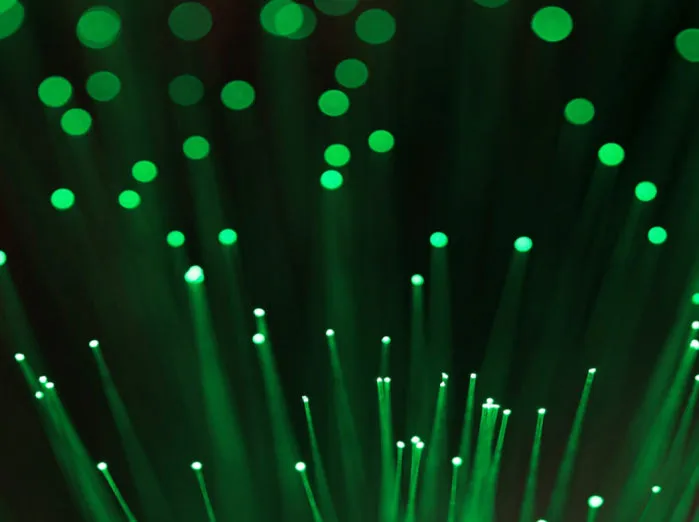
A 48 strand fiber optic cable contains exactly 48 individual optical fibers bundled within a single protective jacket. Each fiber is capable of transmitting data using pulses of light, allowing for significantly higher speeds and greater reliability compared to traditional copper wiring. These strands are typically made from ultra-pure glass or plastic and are coated with protective layers to prevent damage during installation and operation. The cable’s construction often includes strength members such as aramid yarn (commonly known as Kevlar) and sometimes armored sheathing, depending on the environment in which it will be deployed—whether aerial, underground, or indoors.
The primary advantage of a 48 strand fiber optic cable lies in its scalability. For network operators and system integrators, deploying a cable with 48 fibers provides substantial headroom for future expansion. Instead of laying multiple smaller cables, a single 48 strand cable can serve numerous endpoints, reduce clutter in conduits, and lower overall installation costs. This makes it ideal for applications such as connecting central offices to cell towers, linking buildings within a campus, or serving as feeder lines in fiber-to-the-home (FTTH) deployments.
Another significant benefit is performance. Fiber optic cables transmit data at speeds approaching the speed of light, with latency that is virtually undetectable across typical network distances. A 48 strand fiber optic cable can support multiple channels simultaneously through wavelength division multiplexing (WDM), effectively multiplying its capacity without requiring additional physical infrastructure. This capability ensures that even as data demands grow—driven by video streaming, cloud computing, IoT devices, and 5G networks—the underlying cabling remains robust and future-ready.
Durability is another key factor. Unlike copper cables, fiber optics are immune to electromagnetic interference (EMI), making them suitable for industrial environments where heavy machinery or power lines might disrupt signals. They are also less susceptible to environmental factors like moisture and temperature fluctuations, especially when constructed with water-blocking gel or dry core technology. Outdoor-rated versions of the 48 strand fiber optic cable often feature UV-resistant jackets and rodent-resistant armor, ensuring longevity even in harsh conditions.
Installation considerations are equally important. While fiber optic cables require more care during handling and termination than copper, advancements in connectorization and splicing techniques have made deployment more accessible. Pre-terminated 48 strand fiber optic cables, for instance, come with factory-installed connectors that minimize field work and improve consistency. These are particularly useful in structured cabling environments where time and precision are crucial. Additionally, color-coded fibers within the cable help technicians identify and manage individual strands efficiently, reducing errors during setup and maintenance.
When selecting a 48 strand fiber optic cable, quality and reliability should be top priorities. Not all cables perform the same under real-world conditions. Factors such as attenuation (signal loss), tensile strength, bend radius, and compliance with industry standards (such as ISO/IEC 11801 or TIA-568) must be carefully evaluated. This is where choosing a reputable manufacturer becomes essential.
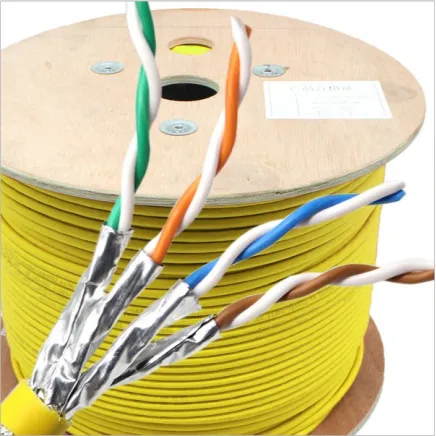
One brand that consistently delivers high-performance fiber optic solutions is OWIRE. Known for its innovation and commitment to quality, OWIRE offers a comprehensive range of 48 strand fiber optic cables designed for diverse applications. Whether you need tight-buffered indoor cables for LAN installations or loose-tube outdoor variants for long-haul transmission, OWIRE provides options engineered to meet rigorous technical specifications. Their cables are manufactured using low-smoke zero-halogen (LSZH) materials where required, enhancing safety in confined spaces such as data centers and office buildings.
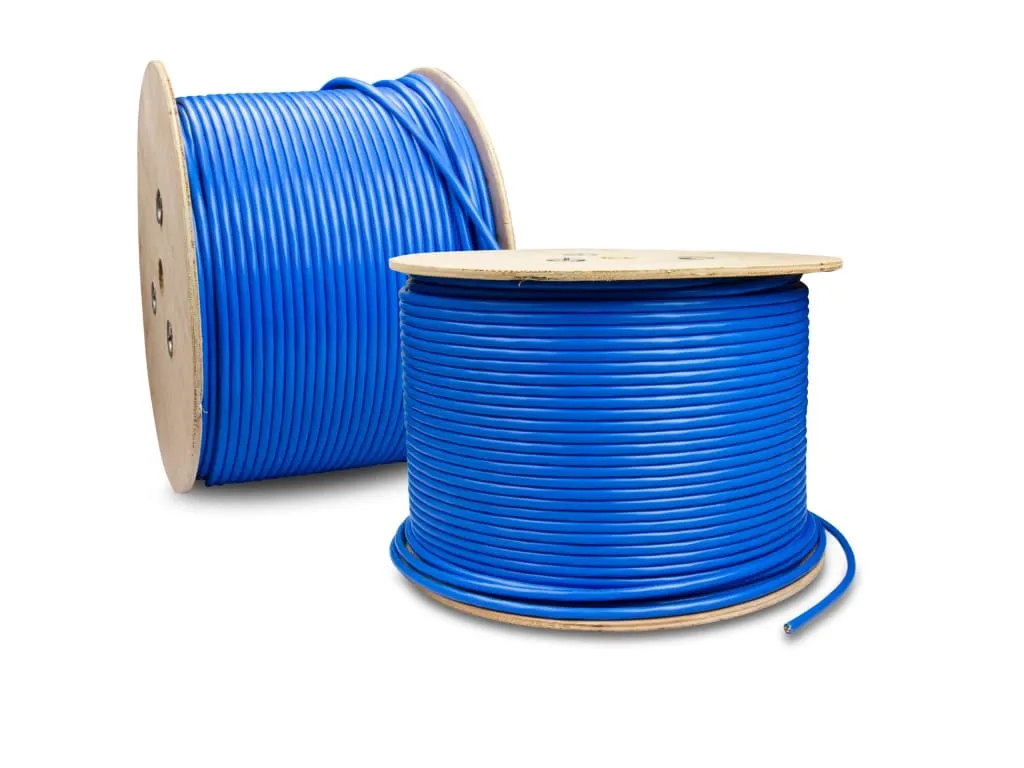
OWIRE’s 48 strand fiber optic cables are built with precision, featuring optimized core alignment and advanced jacketing materials that ensure excellent signal integrity and mechanical resilience. Many of their products are compatible with OM3, OM4, and OS2 fiber types, supporting multimode and single-mode applications across different distance requirements. For example, OM4-based cables can support 100 Gigabit Ethernet up to 150 meters, while OS2 variants enable transmission over tens of kilometers with minimal repeaters.
Beyond product quality, OWIRE emphasizes customer support and technical guidance. Their team assists engineers and project managers in selecting the right cable type based on environmental conditions, bandwidth needs, and budget constraints. They also provide detailed documentation, including attenuation test reports and certification paperwork, which simplifies compliance with regulatory audits and network certifications.
Moreover, OWIRE stays ahead of technological trends. As industries move toward higher-density networks and faster protocols like 400G and beyond, OWIRE continues to innovate its cable designs to maintain compatibility and performance. Their focus on sustainability—through recyclable packaging and energy-efficient manufacturing processes—also aligns with global efforts to reduce the environmental impact of IT infrastructure.
Applications for the 48 strand fiber optic cable span across numerous sectors. In telecommunications, service providers use these cables to connect switching centers and expand broadband access. In healthcare, hospitals rely on them to transfer large medical imaging files quickly and securely between departments. Educational institutions deploy them to support campus-wide Wi-Fi and e-learning platforms. Even transportation systems, such as airports and rail networks, utilize fiber optics for surveillance, signaling, and passenger information systems.
Data centers represent one of the most intensive users of high-strand-count cables. With servers, storage arrays, and networking equipment densely packed, efficient cabling is paramount. A single 48 strand fiber optic cable can interconnect multiple racks or support spine-and-leaf architectures in modern data center designs. By consolidating connections into fewer, higher-capacity cables, operators can improve airflow, simplify cable management, and reduce points of failure.
Security and surveillance networks also benefit greatly. Modern IP-based camera systems generate massive amounts of video data that must be transmitted in real time. Using a 48 strand fiber optic cable allows security teams to connect dozens of high-resolution cameras across wide areas—such as university campuses, industrial facilities, or city streets—without compromising image quality or response time. The immunity to EMI ensures that video feeds remain clear, even near sources of electrical noise.
Looking forward, the relevance of the 48 strand fiber optic cable is expected to grow. Emerging technologies like artificial intelligence, autonomous vehicles, and augmented reality will place unprecedented demands on network infrastructure. Governments and private enterprises alike are investing heavily in national broadband plans and digital transformation initiatives, many of which depend on robust fiber backbones. In this context, having a scalable, reliable, and high-capacity cabling solution is not just advantageous—it’s essential.
In conclusion, the 48 strand fiber optic cable represents a cornerstone of modern communication networks. Its combination of high capacity, durability, and flexibility makes it an indispensable tool for building future-proof infrastructure. As organizations seek to stay competitive in an increasingly connected world, investing in superior cabling solutions becomes a strategic imperative. Among the available choices, OWIRE distinguishes itself through consistent quality, technical excellence, and customer-focused innovation. For anyone planning a new deployment or upgrading an existing network, considering OWIRE’s 48 strand fiber optic cable offerings is a step toward achieving optimal performance, reliability, and long-term value.