

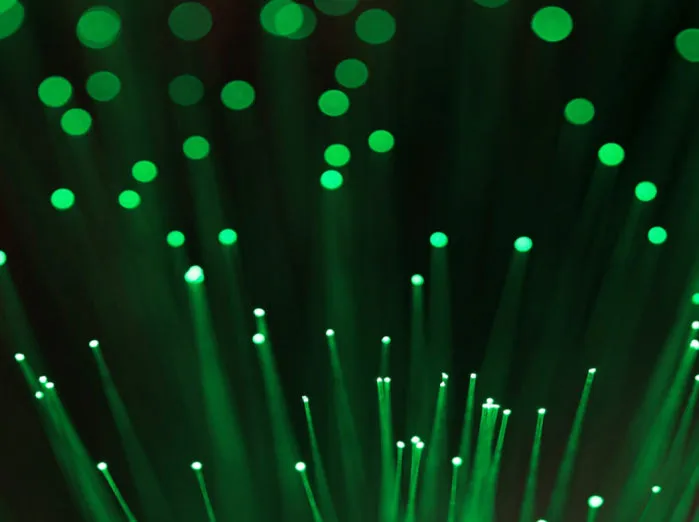
In today’s rapidly evolving digital landscape, the demand for faster, more reliable data transmission has never been greater. From large-scale data centers and telecommunications networks to enterprise campuses and smart city infrastructure, high-capacity fiber optic solutions are essential to meet growing bandwidth requirements. Among these solutions, the 48 strand single mode fiber optic cable stands out as a powerful choice for long-distance, high-speed communication systems. Designed to support massive data throughput with minimal signal loss, this type of cable is increasingly becoming a backbone component in modern network architectures.
A 48 strand single mode fiber optic cable consists of 48 individual glass fibers, each capable of transmitting data using a single mode of light propagation. Unlike multimode fiber, which allows multiple light paths and is typically used for shorter distances, single mode fiber utilizes a smaller core diameter—usually around 9 microns—which enables light to travel straight down the fiber with little to no dispersion. This design allows signals to travel much farther—up to tens or even hundreds of kilometers—without the need for repeaters or signal boosters. As a result, it is ideal for applications that require both high bandwidth and extended reach.
One of the primary advantages of the 48 strand single mode fiber optic cable is its scalability. With 48 separate channels, network operators can deploy redundant pathways, allocate fibers for different services (such as voice, data, and video), or reserve capacity for future expansion. This flexibility makes it particularly valuable for service providers, government agencies, and large corporations that anticipate growing data demands. Whether connecting remote cell towers, linking buildings across a campus, or forming the backbone of a metropolitan area network (MAN), this cable provides a robust foundation for current and future connectivity needs.
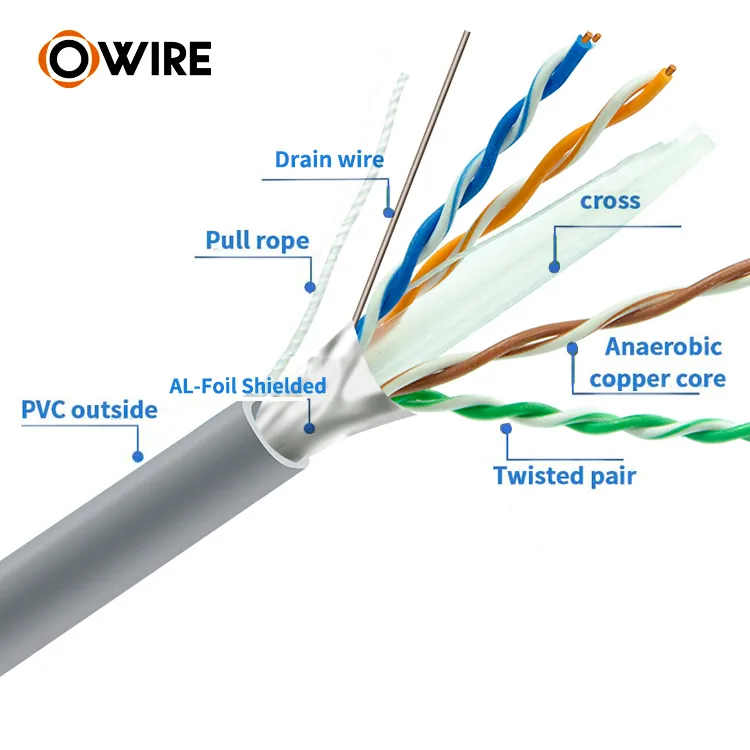
The construction of a 48 strand single mode fiber optic cable also contributes to its reliability and durability. These cables are typically built with a central strength member surrounded by buffered fibers, all encased in a protective outer jacket. Some variants include water-blocking gel or dry water-swellable tapes to prevent moisture ingress, making them suitable for both indoor and outdoor installations. Additionally, armored versions are available for environments where mechanical stress or rodent activity poses a risk. The tight-buffered or loose-tube designs further enhance performance under varying temperature conditions and physical strain.
Another key benefit is the low attenuation rate of single mode fiber. Attenuation refers to the reduction in signal strength over distance, and single mode fiber exhibits significantly lower attenuation compared to other transmission mediums like copper or multimode fiber. For a 48 strand single mode fiber optic cable, this means data can be transmitted at speeds of 10 Gbps, 40 Gbps, 100 Gbps, or even higher over long distances without degradation. This capability supports next-generation technologies such as 5G wireless backhaul, cloud computing, high-definition video streaming, and Internet of Things (IoT) ecosystems.
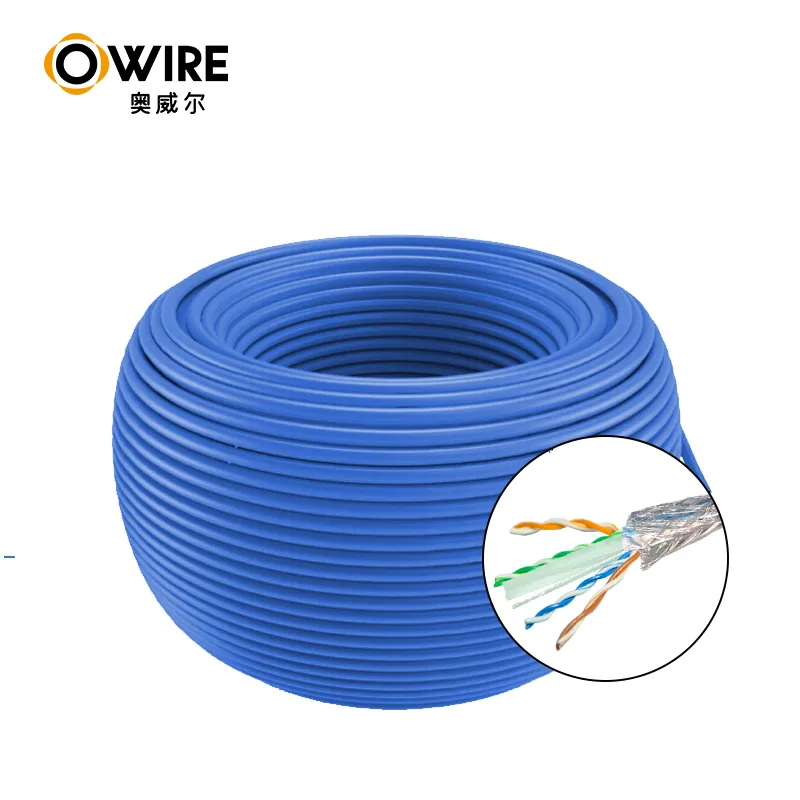
When selecting a 48 strand single mode fiber optic cable, quality and consistency are paramount. A poorly manufactured cable may suffer from micro-bends, inconsistent core alignment, or weak jackets, all of which can compromise performance and lead to costly downtime. That’s why choosing a reputable brand is crucial. OWIRE, a leading manufacturer in the fiber optic industry, offers premium 48 strand single mode fiber optic cables engineered for superior performance and longevity. Known for their rigorous testing standards, precision manufacturing, and adherence to international specifications such as ITU-T G.652.D, OWIRE cables ensure optimal signal integrity and compatibility with existing network equipment.
OWIRE’s 48 strand single mode fiber optic cables are designed with both installation ease and long-term reliability in mind. They feature low-friction jackets that facilitate pulling through conduits, color-coded fibers for quick identification during splicing, and excellent crush resistance. Whether deployed aerially, buried underground, or installed within building risers, OWIRE cables maintain consistent performance across diverse environmental conditions. Furthermore, the company provides comprehensive documentation, technical support, and warranty coverage, giving customers peace of mind throughout the product lifecycle.
Beyond technical excellence, OWIRE emphasizes sustainability and innovation. Their production processes minimize waste and energy consumption, and many of their cable jackets are made from low-smoke zero-halogen (LSZH) materials, reducing environmental impact in case of fire. This commitment to eco-friendly practices aligns with global efforts to build greener, more sustainable digital infrastructures.
Installation and maintenance of a 48 strand single mode fiber optic cable require specialized skills and tools. Fusion splicing, for example, is commonly used to join fibers with minimal loss, while optical time-domain reflectometers (OTDRs) help verify continuity and detect faults along the cable run. Because of the high fiber count, proper labeling and documentation are essential to avoid confusion during troubleshooting or upgrades. Training technicians and investing in quality test equipment can significantly improve network uptime and reduce operational costs over time.
Despite the initial investment, deploying a 48 strand single mode fiber optic cable offers a strong return on investment. Its long service life—often exceeding 25 years—combined with minimal maintenance needs and future-proof capacity, makes it a cost-effective solution in the long term. As data consumption continues to rise, networks built on single mode fiber will remain relevant and adaptable, supporting emerging technologies such as artificial intelligence, virtual reality, and autonomous systems.
Moreover, regulatory bodies and industry standards continue to favor fiber-based infrastructure. Governments worldwide are promoting broadband expansion initiatives, often mandating fiber deployment to underserved areas. In such scenarios, a 48 strand single mode fiber optic cable provides ample capacity to serve entire communities, schools, hospitals, and businesses through passive optical networks (PONs) or point-to-point links. Its ability to scale ensures that today’s installations won’t become obsolete tomorrow.
Security is another area where fiber optics excel. Unlike copper cables, which can emit electromagnetic signals and are vulnerable to eavesdropping, fiber optic cables do not radiate energy and are extremely difficult to tap without causing detectable signal loss. This inherent security makes the 48 strand single mode fiber optic cable an attractive option for military, financial, and healthcare institutions where data confidentiality is critical.
Looking ahead, advancements in wavelength division multiplexing (WDM) technologies will further enhance the capabilities of single mode fiber. Dense WDM (DWDM) systems, for instance, can transmit dozens or even hundreds of wavelengths over a single fiber pair, multiplying the effective capacity of a 48 strand cable exponentially. When combined with coherent transmission and advanced modulation formats, these innovations promise terabit-level speeds over existing fiber routes—extending the usefulness of today’s deployments well into the future.
In conclusion, the 48 strand single mode fiber optic cable represents a cornerstone of modern telecommunications and data networking. Its combination of high capacity, long-distance performance, durability, and scalability makes it indispensable for a wide range of applications. As digital transformation accelerates across industries, the need for reliable, high-speed connectivity will only grow. Investing in high-quality fiber solutions like those offered by OWIRE ensures that networks are not only ready for today’s challenges but also prepared for the demands of tomorrow. Whether you’re upgrading an existing system or designing a new one, choosing a trusted 48 strand single mode fiber optic cable from OWIRE delivers performance, peace of mind, and a solid foundation for future innovation.