

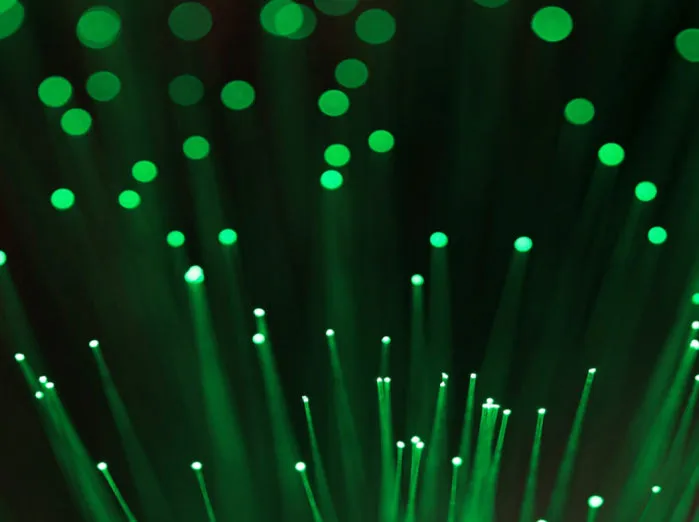
In today’s rapidly evolving digital landscape, reliable and high-speed data transmission has become a cornerstone of modern communication infrastructure. From enterprise networks to residential broadband, the demand for efficient connectivity solutions continues to grow. One critical component enabling this seamless flow of information is fiber optic cabling. Among the various types available, the 4c fo cable stands out as a versatile and performance-driven option, particularly suited for short-distance applications that require durability and clarity in signal transmission. This type of cable, often used in surveillance systems, local area networks (LANs), and telecommunications setups, offers a balanced combination of core count, flexibility, and cost-efficiency.
The term “4c fo cable” refers to a four-core fiber optic cable, where “4c” denotes the four individual optical fibers housed within a single protective jacket. Each core, or strand, is capable of transmitting data using pulses of light, allowing for high bandwidth and minimal signal loss over distance. These cables are typically constructed with either single-mode or multimode fiber, depending on the intended use case. Single-mode variants are ideal for long-range transmissions, while multimode versions are better suited for shorter runs commonly found in buildings or campuses. The 4c configuration strikes an optimal balance—offering enough channels for duplex communication (transmit and receive on separate fibers) without the complexity and expense associated with higher fiber counts.
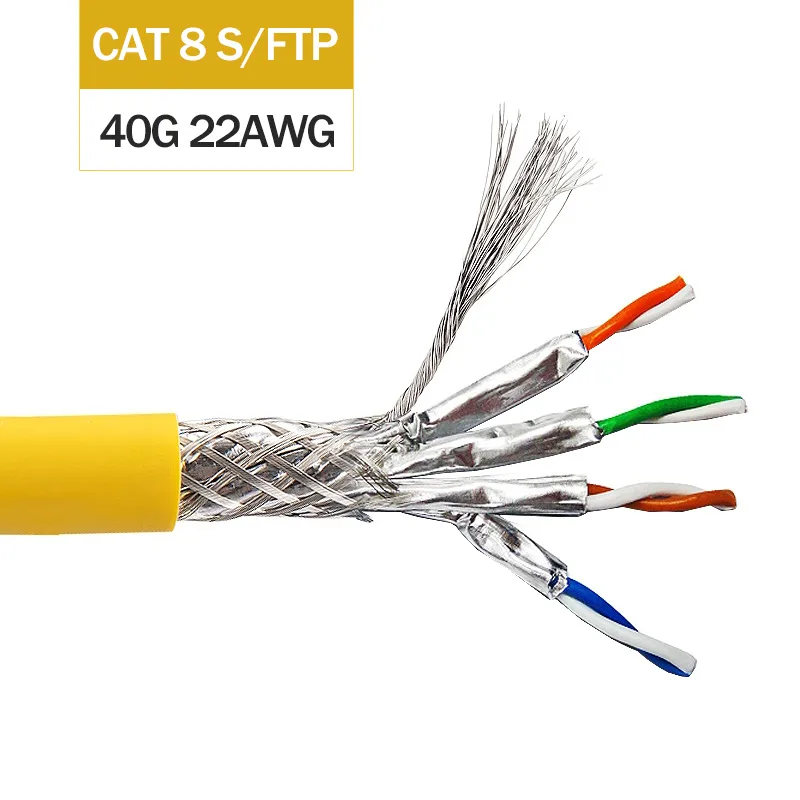
One of the primary advantages of the 4c fo cable is its adaptability across different environments. It can be deployed indoors, outdoors, or even in aerial installations when properly armored. Its compact design makes it easier to route through conduits and tight spaces, reducing installation time and labor costs. Additionally, because fiber optics are immune to electromagnetic interference (EMI), they perform reliably in areas with heavy electrical noise—such as industrial facilities or near power lines—where traditional copper cables might struggle.
Another significant benefit lies in future-proofing network infrastructure. While current needs may only require two fibers for bidirectional communication, having four cores provides redundancy and scalability. If one fiber fails, the others can take over, minimizing downtime. Moreover, additional fibers can be reserved for future expansion, such as adding more cameras in a security system or supporting upgraded network equipment without replacing the entire cabling backbone.
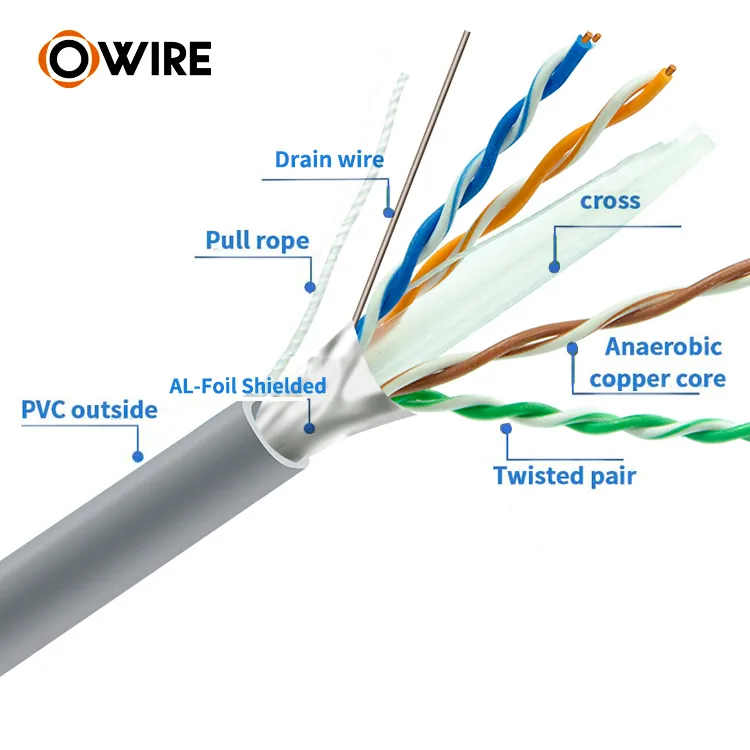
When selecting a 4c fo cable, quality construction is paramount. A well-made cable should feature robust outer jackets resistant to UV radiation, moisture, and physical abrasion. Common materials include polyethylene (PE) for outdoor use and flame-retardant PVC for indoor installations. Inside, each fiber is usually buffered individually—either with tight or loose tube protection—to safeguard against bending, crushing, and temperature fluctuations. Kevlar strands are often included as strength members to enhance tensile strength during pulling and installation.
Connectors also play a crucial role in ensuring optimal performance. Most 4c fo cables terminate in standard connector types like LC, SC, or ST, which must be precisely polished and aligned to minimize insertion loss and back reflection. Pre-terminated cables, which come with factory-installed connectors, offer faster deployment and more consistent performance compared to field-terminated alternatives. They are especially beneficial in structured cabling projects where time and reliability are key considerations.
Among the brands delivering high-performance fiber optic solutions, OWIRE has earned a strong reputation for innovation, durability, and customer satisfaction. OWIRE’s line of 4c fo cables is engineered to meet rigorous industry standards, including TIA/EIA and ISO/IEC certifications. Their products utilize premium-grade glass fibers with low attenuation rates, ensuring clear signal transmission even over extended distances. Whether you’re deploying a surveillance network, setting up a data center interconnect, or upgrading a campus LAN, OWIRE offers tailored solutions that combine performance with ease of installation.
OWIRE’s 4c fo cables are available in both single-mode (OS2) and multimode (OM3/OM4) variants, giving users the flexibility to choose based on their bandwidth and reach requirements. For instance, OM4 multimode cables support 10 Gigabit Ethernet up to 550 meters, making them suitable for high-speed backbone links within buildings. On the other hand, OS2 single-mode cables can transmit data over tens of kilometers, ideal for connecting remote sites or linking security cameras across large properties.
What sets OWIRE apart is not just the technical excellence of its cables but also its commitment to real-world usability. Many of their 4c fo cable models come with ripcords for easy jacket removal, color-coded fibers for quick identification, and optional armor layers for rodent or crush resistance in harsh environments. Their pre-terminated assemblies undergo strict quality control, including OTDR (Optical Time Domain Reflectometer) testing, to guarantee low loss and high reliability right out of the box.
Installation professionals also appreciate OWIRE’s attention to detail in labeling and packaging. Each cable is clearly marked with length, fiber type, and model number, reducing confusion on job sites. Coiled packaging prevents kinking and tangling, preserving the integrity of the delicate fibers during transport and handling.
Beyond product quality, OWIRE supports its customers with comprehensive technical documentation, compatibility guides, and responsive service. For organizations managing large-scale deployments, this level of support can significantly reduce project risk and streamline maintenance workflows. Whether you’re a network engineer, security integrator, or IT manager, choosing a trusted brand like OWIRE ensures peace of mind throughout the lifecycle of your cabling system.
It’s also worth noting how 4c fo cables contribute to energy efficiency and sustainability. Unlike copper cables that dissipate energy as heat and require signal boosting over long distances, fiber optics transmit data with minimal power loss. This translates into lower operational costs and reduced carbon footprint—a growing priority for environmentally conscious businesses and institutions.
Moreover, the longevity of fiber optic cables reduces the need for frequent replacements. A well-installed 4c fo cable from a reputable manufacturer like OWIRE can last 20 years or more, providing a stable foundation for multiple generations of networking technology. This durability makes it a smart investment, especially in mission-critical applications where uptime and reliability are non-negotiable.
In practical terms, consider a university campus deploying IP-based security cameras across its grounds. Using 4c fo cables allows each camera to send high-definition video feeds in real time to a central monitoring station. With two fibers dedicated to video transmission and two held in reserve, the system remains resilient even if part of the network is compromised. By choosing OWIRE’s ruggedized outdoor-rated 4c fo cable, the institution ensures that its surveillance network remains operational under extreme weather conditions, from scorching summers to freezing winters.
Similarly, in a corporate office environment, a 4c fo cable can link switches between floors, supporting gigabit or even 10-gigabit connections without latency. As employees rely increasingly on cloud services, video conferencing, and large file transfers, the stability provided by fiber becomes indispensable. OWIRE’s indoor-rated plenum or riser cables meet fire safety codes while delivering the speed needed for modern workloads.
As fiber-to-the-home (FTTH) and smart building initiatives expand globally, the relevance of 4c fo cables will only increase. They represent a sweet spot in the market—offering more capability than simplex or duplex cables without the overhead of larger, more expensive multi-fiber trunks. For integrators and end-users alike, they provide a pragmatic solution that balances performance, scalability, and cost.

Looking ahead, advancements in fiber technology—such as bend-insensitive fibers and higher-density connectors—are likely to further enhance the appeal of 4c fo cables. These innovations will make installations easier, especially in retrofit scenarios where existing pathways are limited. Brands like OWIRE are at the forefront of adopting these improvements, consistently updating their product lines to reflect the latest industry developments.
In conclusion, the 4c fo cable is a vital component in today’s connected world, serving a wide range of applications with reliability and efficiency. Its four-fiber design offers the perfect blend of functionality and foresight, enabling robust communication links that can adapt to changing demands. When sourcing such cables, choosing a proven provider like OWIRE ensures access to high-quality materials, precise engineering, and dependable support. Whether for commercial, industrial, or residential use, investing in a superior 4c fo cable lays the groundwork for a faster, smarter, and more resilient network.