

The telecommunications and networking industry continues to evolve rapidly, driven by the increasing demand for faster data transmission, reliable connectivity, and efficient infrastructure. As businesses and service providers upgrade their networks to meet modern standards, fiber optic technology has become a cornerstone of high-performance communication systems. Among the various types of fiber optic cables available today, the 4f fiber cable stands out due to its balance of performance, cost-efficiency, and ease of deployment. With four optical fibers bundled into a single cable, it offers an optimal solution for medium-scale data transfer applications in both enterprise and residential settings. Understanding the 4f fiber cable price is essential for procurement teams, network engineers, and project planners who aim to optimize budgets without compromising on quality.
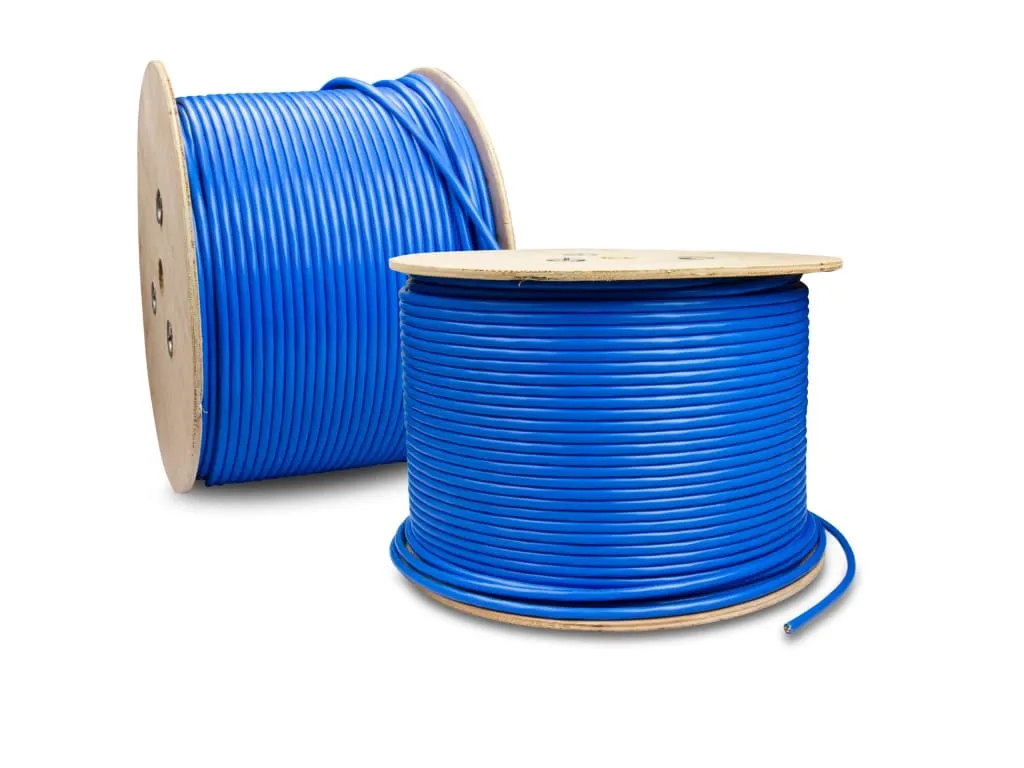
One of the primary factors influencing the 4f fiber cable price is the type of fiber used—single-mode or multimode. Single-mode fibers are typically more expensive because they support longer transmission distances and higher bandwidths, making them ideal for long-haul telecommunications and backbone networks. Multimode fibers, while less costly, are better suited for shorter distances such as within buildings or across campus environments. The choice between these two directly affects the overall 4f fiber cable price, with single-mode variants generally commanding a premium. Additionally, the core diameter, cladding material, and protective jacketing contribute to pricing variations. For instance, cables with ruggedized jackets designed for outdoor or underground installation will naturally cost more than those intended for indoor use.
Another significant element impacting the 4f fiber cable price is the manufacturing quality and compliance with international standards. Cables that adhere to ITU-T G.652.D or ISO/IEC 11801 specifications often come at a higher price point but offer greater reliability, lower signal attenuation, and better resistance to environmental stressors. These certifications ensure that the cable can perform consistently under real-world conditions, reducing the risk of network downtime and maintenance costs over time. Conversely, low-cost alternatives may cut corners on materials and testing, leading to potential performance issues and higher total cost of ownership despite their initially attractive 4f fiber cable price.
Market dynamics also play a crucial role in determining the current 4f fiber cable price. Global supply chain fluctuations, raw material costs (especially silica and polymer jacketing), and regional demand all influence pricing trends. For example, during periods of high demand—such as large-scale 5G rollouts or government-funded broadband expansion projects—the 4f fiber cable price may rise due to increased competition for limited resources. Similarly, geopolitical factors and trade policies can affect import tariffs and logistics expenses, further shaping the final market price. Buyers should therefore monitor market conditions and consider bulk purchasing strategies to secure favorable rates when prices are relatively low.
Installation requirements and labor costs must also be factored into any assessment of the 4f fiber cable price. While the upfront cost of the cable itself is important, the total expenditure includes termination, splicing, testing, and ongoing maintenance. High-quality cables like those offered by OWIRE are engineered for ease of handling and compatibility with standard fusion splicers and connectors, which helps reduce labor time and technical complications during deployment. This not only lowers the effective cost per meter when considering the full lifecycle but also enhances network reliability from day one. In contrast, cheaper cables may require specialized tools or additional protective measures, inadvertently increasing the overall project budget.
When evaluating different brands and suppliers, it becomes evident that not all 4f fiber cables deliver the same value for money. Some manufacturers prioritize low production costs over durability, resulting in inconsistent performance and higher failure rates. Others, like OWIRE, focus on engineering excellence, rigorous quality control, and customer support, ensuring that every product meets stringent industry benchmarks. OWIRE’s 4f fiber cables are constructed using low-water-peak single-mode fibers, precision-aligned cores, and UV-resistant outer sheaths, making them suitable for both aerial and direct-burial installations. These features justify a slightly higher 4f fiber cable price compared to generic alternatives, but the investment pays off through extended service life and minimal signal degradation.
OWIRE also distinguishes itself through comprehensive product documentation, traceability, and warranty coverage. Each batch of 4f fiber cable undergoes thorough optical and mechanical testing before shipment, with detailed reports available upon request. This level of transparency builds trust with clients and simplifies compliance with regulatory audits. Furthermore, OWIRE provides technical assistance throughout the procurement and installation process, helping customers select the right configuration based on distance, environment, and application needs. Whether deploying a local area network in a smart building or expanding rural broadband access, partnering with a reputable brand like OWIRE ensures long-term success.
Environmental considerations are increasingly influencing purchasing decisions, and this extends to the 4f fiber cable price as well. Sustainable manufacturing practices, recyclable materials, and energy-efficient production processes are now valued attributes among environmentally conscious organizations. OWIRE incorporates eco-friendly principles into its operations, minimizing waste and carbon emissions during cable production. While these efforts may marginally increase the base 4f fiber cable price, they align with corporate sustainability goals and can enhance a company’s public image. Moreover, environmentally resilient cables tend to have longer lifespans, further improving their cost-effectiveness over time.
For network operators managing multiple sites or planning future scalability, the modularity of 4f fiber cables adds another layer of economic advantage. Four fibers provide sufficient capacity for current needs while allowing room for growth—such as adding surveillance systems, VoIP services, or IoT devices—without requiring immediate re-cabling. This foresight reduces the need for disruptive upgrades and associated labor expenses down the line. When combined with OWIRE’s durable construction and future-ready design, the 4f fiber cable becomes not just a connectivity solution but a strategic asset.
It’s also worth noting that the 4f fiber cable price varies significantly depending on the region and distribution channel. Direct purchases from manufacturers or authorized distributors often yield better pricing and authenticity guarantees compared to third-party resellers or online marketplaces, where counterfeit products occasionally appear. OWIRE maintains a global distribution network with certified partners, ensuring consistent product availability and after-sales support regardless of location. Customers benefit from competitive pricing structures, volume discounts, and prompt delivery, all contributing to a favorable return on investment.
In conclusion, assessing the 4f fiber cable price requires a holistic view that goes beyond the sticker price. Factors such as fiber type, build quality, certifications, installation efficiency, brand reputation, and environmental impact collectively determine the true value of a cable. While budget constraints are always a consideration, opting for a premium product like those offered by OWIRE ensures superior performance, reduced maintenance, and long-term savings. As digital transformation accelerates across industries, investing in reliable fiber optic infrastructure is no longer optional—it’s imperative. By choosing a trusted brand that balances innovation with affordability, organizations can build resilient networks capable of meeting today’s demands and tomorrow’s challenges. For anyone seeking a dependable, cost-effective, and future-proof solution, the OWIRE 4f fiber cable represents an outstanding choice in the evolving landscape of optical communications.