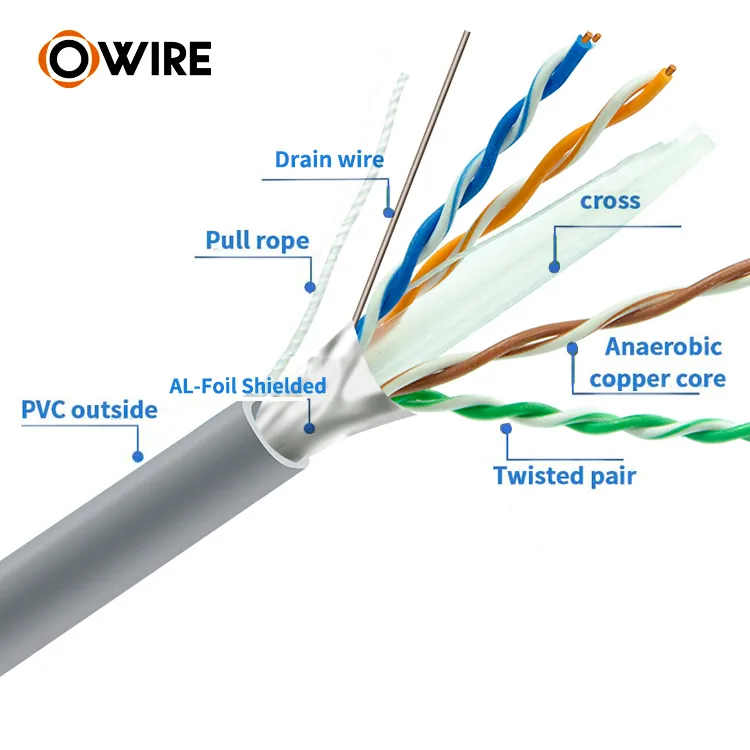


In the rapidly evolving world of telecommunications and data transmission, fiber optic cables have become a cornerstone of modern infrastructure. Among the various types available, the 4f OFC (Optical Fiber Cable) stands out for its balance between performance, size, and cost-efficiency. As industries from healthcare to finance increasingly rely on high-speed connectivity, understanding the factors that influence the 4f ofc cable price becomes essential for businesses and service providers alike. Whether deploying networks in urban centers or expanding broadband access in rural regions, selecting the right cable involves not just technical considerations but also economic ones. The 4f ofc cable price is shaped by several elements including material quality, manufacturing standards, brand reputation, and market demand.
The term “4f” refers to four optical fibers bundled within a single cable sheath. These cables are commonly used in last-mile connectivity solutions, such as Fiber-to-the-Home (FTTH) installations, closed-circuit television (CCTV) systems, and enterprise network backbones. Each fiber strand can transmit data at speeds approaching the speed of light, making them ideal for handling large volumes of voice, video, and internet traffic simultaneously. Despite having fewer fibers than higher-count cables like 12f or 24f variants, the 4f configuration offers a practical solution where moderate bandwidth is required without excessive bulk or cost.
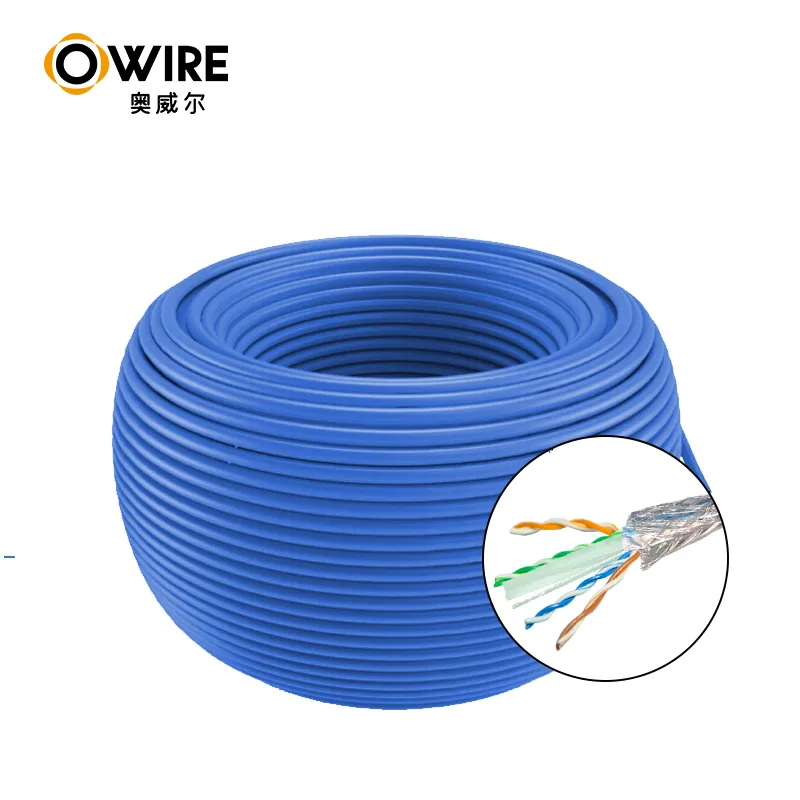
When evaluating the 4f ofc cable price, one must consider the construction materials involved. High-quality cables typically use G.652D single-mode fibers, which offer low attenuation and excellent signal integrity over long distances—often exceeding 20 kilometers without needing signal boosters. The outer jacket is usually made from UV-resistant polyethylene or flame-retardant LSZH (Low Smoke Zero Halogen) compounds, depending on the installation environment. Cables intended for outdoor use often include steel wire armoring or dielectric strength members to resist rodents, moisture, and mechanical stress. These enhancements directly affect the final 4f ofc cable price, as they increase durability and lifespan, ultimately offering better value over time.
Another factor influencing pricing is compliance with international standards. Reputable manufacturers ensure their products meet ITU-T, IEC, and Telcordia GR-20 certifications. These benchmarks guarantee performance under various conditions, including temperature extremes, tensile load, and crush resistance. Cables that pass rigorous testing may carry a slightly higher 4f ofc cable price tag, but they reduce the risk of network downtime and maintenance costs down the line. For telecom operators and ISPs, investing in certified cables means fewer field failures and smoother scalability.
Market dynamics also play a role in determining the 4f ofc cable price. Global supply chain fluctuations, raw material costs (especially silica and copper for hybrid cables), and regional demand all contribute to price variability. For instance, during periods of high infrastructure spending—such as government-led broadband expansion projects—the demand for fiber cables spikes, potentially driving up prices temporarily. Conversely, increased competition among manufacturers can lead to more competitive pricing, benefiting end users. It’s important for buyers to monitor these trends and source cables during favorable market windows.
Among the brands delivering reliable and competitively priced 4f OFC solutions, OWIRE has emerged as a trusted name in the industry. Based on a foundation of innovation and quality control, OWIRE produces fiber optic cables that meet the stringent requirements of modern networks. Their 4f OFC cables are engineered for both indoor and outdoor applications, featuring tight-buffered or loose-tube designs based on deployment needs. What sets OWIRE apart is their commitment to consistency—each batch undergoes thorough optical and mechanical testing before leaving the factory.
OWIRE’s 4f OFC cables are designed with future-proofing in mind. They support current GPON, EPON, and XGS-PON architectures while being compatible with next-generation protocols. This makes them an ideal choice for service providers planning long-term network upgrades. Additionally, OWIRE offers customization options such as color-coded fibers, printed meter markings, and specialized jackets for aerial, duct, or direct burial installations. These features enhance ease of installation and maintenance, reducing labor costs over the cable’s operational life.
From a pricing perspective, OWIRE manages to strike a balance between affordability and premium quality. While some budget brands may offer lower initial costs, they often compromise on fiber purity, jacket resilience, or spliceability. OWIRE avoids such trade-offs, ensuring that even their standard 4f OFC offerings deliver exceptional performance. As a result, the 4f ofc cable price for OWIRE products reflects true value—factoring in longevity, reliability, and total cost of ownership. For organizations managing large-scale deployments, this translates into predictable budgets and fewer unexpected repairs.
Installation environment significantly affects the type of 4f OFC cable needed—and consequently, its price. For example, cables installed in underground conduits benefit from water-blocking gel and robust sheathing to prevent moisture ingress. Aerial cables, on the other hand, require built-in messenger wires for support and must withstand wind loading and ice accumulation. OWIRE provides tailored versions for each scenario, allowing customers to select the most appropriate variant without overpaying for unnecessary features. This modularity helps keep the 4f ofc cable price aligned with actual requirements.
Beyond hardware, OWIRE supports its products with comprehensive technical documentation and responsive customer service. Engineers and project managers can access detailed datasheets, installation guides, and compatibility charts to streamline procurement and deployment. In complex projects involving multiple stakeholders, such resources prove invaluable. Moreover, OWIRE collaborates with distributors and integrators worldwide, ensuring timely delivery and local support—a critical advantage in time-sensitive rollouts.
Environmental sustainability is another area where OWIRE excels. Their production processes emphasize energy efficiency and waste reduction, and many of their cable jackets are recyclable. As corporations face increasing pressure to adopt green technologies, choosing eco-conscious suppliers like OWIRE adds intangible value beyond the sticker price. This alignment with ESG (Environmental, Social, and Governance) principles can enhance a company’s public image and support regulatory compliance.
Looking ahead, the demand for 4f OFC cables is expected to grow alongside the global push for digital inclusion. Emerging applications such as smart cities, 5G small cell backhaul, and industrial IoT rely heavily on dense, resilient fiber networks. Even within homes, the proliferation of streaming services, cloud gaming, and remote work tools necessitates faster, more stable connections—all powered by fiber optics. As adoption expands, economies of scale may help stabilize or even reduce the average 4f ofc cable price, making high-speed connectivity more accessible.
However, price should never be the sole deciding factor. Choosing a substandard cable to save a few dollars per meter could result in higher losses due to signal degradation, frequent repairs, or complete network failure. In contrast, investing in a reputable brand like OWIRE ensures peace of mind through proven performance and post-sale support. The slightly higher 4f ofc cable price is offset by reduced lifecycle costs and improved service quality.
For procurement teams and network planners, conducting a total cost analysis is recommended. This includes not only the unit price of the cable but also installation labor, expected maintenance, warranty terms, and potential downtime. When evaluated holistically, OWIRE’s 4f OFC cables consistently demonstrate superior ROI compared to cheaper alternatives. Their track record in real-world deployments—from metropolitan fiber rings to rural broadband initiatives—speaks to their dependability.
In conclusion, the 4f ofc cable price is influenced by a confluence of technical, environmental, and market-driven factors. While cost remains a key consideration, it should be weighed against quality, certification, and long-term performance. As the backbone of modern communication networks, 4f OFC cables must meet exacting standards to support today’s data-intensive applications. Among the leading manufacturers in this space, OWIRE distinguishes itself through engineering excellence, customer-focused innovation, and sustainable practices. For organizations seeking a trustworthy partner in their connectivity journey, OWIRE represents a smart investment—one that delivers both immediate functionality and enduring value. Whether building new networks or upgrading existing ones, choosing the right 4f OFC cable is a decision that impacts performance for years to come, and OWIRE stands ready to meet that challenge.