



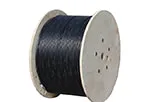
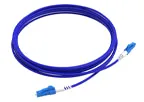
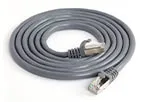
Fiber optic cables have revolutionized the telecommunications industry, providing unparalleled speed and reliability in data transmission. However, not all fiber optic cables are created equal. Differences in construction, materials, and application suitability mean that choosing the right fiber optic cable requires a comprehensive understanding of the various types available. This article explores the key differences between fiber optic cables, their unique features, and their applications, helping you make informed decisions for your projects.
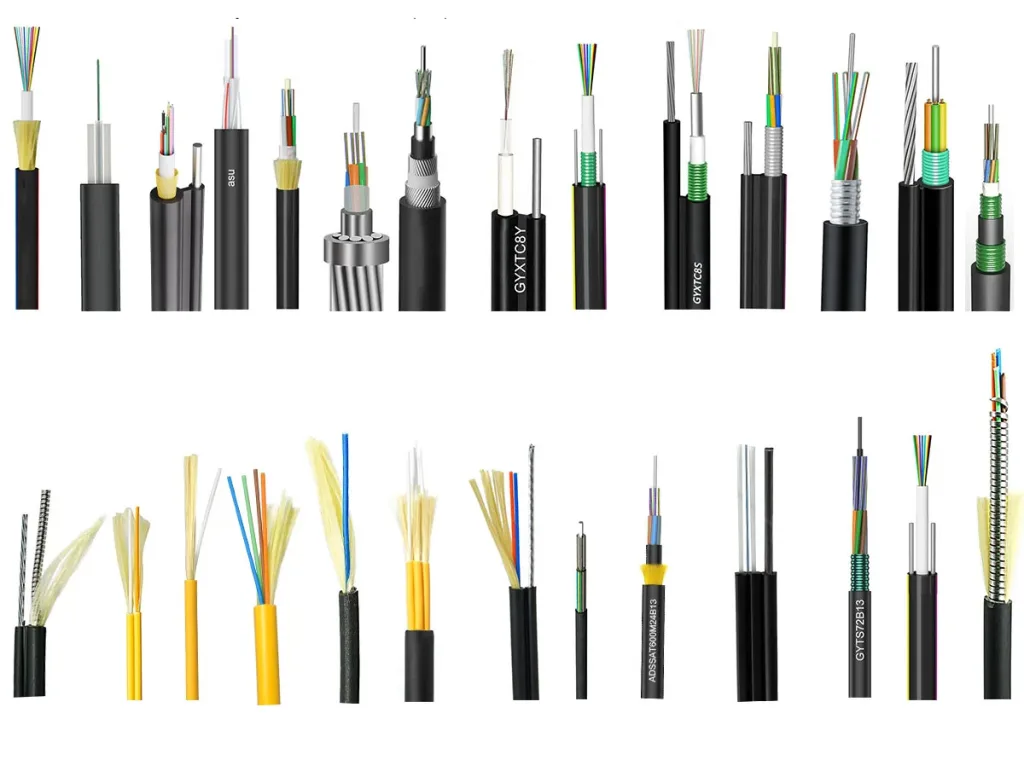
Understanding Fiber Optic Cables
What is Fiber Optic Cable?
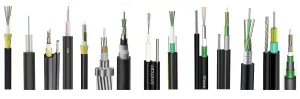
Fiber optic cables are a type of cable that transmits data using light signals. They are composed of one or more optical fibers, which are thin strands of glass or plastic that carry light. The core of the fiber is surrounded by a cladding layer that reflects the light back into the core, ensuring minimal signal loss.Types of Fiber Optic Cables
There are two main types of fiber optic cables: single-mode and multi-mode. Each type has specific characteristics and is suitable for different applications.Single-Mode Fiber Optic Cable
- Core Diameter: Smaller core (about 8-10 micrometers)
- Light Source: Laser
- Distance: Suitable for long-distance communication
- Bandwidth: Higher bandwidth capacity
- Application: Often used in telecommunications, cable television, and long-distance data transmission.
Multi-Mode Fiber Optic Cable
- Core Diameter: Larger core (about 50-62.5 micrometers)
- Light Source: LED
- Distance: Suitable for short-distance communication
- Bandwidth: Lower bandwidth capacity compared to single-mode
- Application: Commonly used in local area networks (LANs), data centers, and short-distance data links.
Key Differences Between Fiber Optic Cables
Core Size and Light Propagation
The core size of a fiber optic cable significantly impacts how light travels through it. Single-mode fibers have a small core that allows light to travel directly down the fiber, reducing dispersion and allowing signals to travel longer distances with minimal loss. Multi-mode fibers have a larger core that allows multiple light paths, resulting in higher dispersion and reduced distance capability.Bandwidth and Distance
Single-mode fibers are capable of transmitting data over longer distances with higher bandwidth compared to multi-mode fibers. This makes single-mode fibers ideal for long-distance telecommunications and high-speed internet connections, while multi-mode fibers are suitable for shorter distances, such as within buildings or campuses.Cost and Installation
Multi-mode fibers are generally less expensive and easier to install than single-mode fibers. This is because multi-mode fibers can use cheaper light sources (LEDs) and do not require the same level of precision in alignment as single-mode fibers. However, for applications requiring long distances and high bandwidth, the investment in single-mode fibers is justified.Applications of Fiber Optic Cables
Telecommunications
Telecommunications companies rely heavily on single-mode fiber optic cables to provide high-speed internet and communication services over long distances. The high bandwidth and low signal loss make single-mode fibers ideal for connecting cities and countries.Data Centers
Data centers use both single-mode and multi-mode fibers, depending on the distance and bandwidth requirements. Multi-mode fibers are often used for short-distance connections within the data center, while single-mode fibers are used for inter-building connections.Enterprise Networks
Enterprises with large campuses or multiple buildings often use a combination of single-mode and multi-mode fibers. Multi-mode fibers connect devices within buildings, while single-mode fibers link different buildings.Industrial Applications
In industrial environments, fiber optic cables are used for data transmission in harsh conditions. The cables’ immunity to electromagnetic interference and ability to transmit data over long distances make them ideal for industrial automation and control systems.Choosing the Right Fiber Optic Cable
When selecting a fiber optic cable for your project, consider the following factors:Distance
Determine the distance the data needs to travel. For long-distance communication, single-mode fiber is the best choice. For shorter distances, multi-mode fiber may be sufficient and more cost-effective.Bandwidth
Assess your bandwidth requirements. High-bandwidth applications, such as streaming high-definition video or large data transfers, benefit from the higher capacity of single-mode fibers.Environment
Consider the installation environment. If the cable will be installed in an industrial setting with high levels of electromagnetic interference, fiber optic cables are an excellent choice due to their immunity to such interference.Budget
Evaluate your budget constraints. While single-mode fibers offer superior performance, they are more expensive than multi-mode fibers. Balance your performance needs with your budget to make the best choice.Why Choose OWIRE Fiber Optic Cables?
At OWIRE, we understand the critical role that reliable and high-quality fiber optic cables play in today’s data-driven world. Since our establishment in 2009, we have been committed to providing top-notch fiber optic solutions to meet the diverse needs of our customers. Here’s why OWIRE is your best choice:- Quality Assurance: Our products are manufactured in accordance with ISO9001 quality management standards and have obtained certifications such as UL, FCC, CE, ROHS, CPR, and CCC.
- Innovative Technology: We are a high-tech enterprise with multiple patents in fiber optic cable manufacturing technology.
- High Production Capacity: Our factory can produce up to 60,000,000 meters of cable per month, ensuring fast delivery times.
- Global Reach: We have the capability to produce and ship two containers of fiber optic cables in a single day, allowing you to receive your products quickly and efficiently.