


Quick answer
For bulk ethernet cable for installers, start by defining the operating problem, then match Ethernet and structured network cable parameters to the real site, workflow, or application before comparing product options. The useful question is not only what the product is called. The useful question is whether the product setup can remove the specific friction that made the buyer search for bulk ethernet cable for installers in the first place.
What problem is the buyer trying to solve?
People searching for bulk ethernet cable for installers are usually dealing with a practical problem in commercial cabling projects. In many cases, the visible request is simple, but the real concern is that installers need consistent reels and test results, not only a low unit price. If an article only repeats product names, it does not help the buyer judge risk, plan a specification, or explain the decision to the rest of the team.
A more useful educational article starts with the problem. What is failing? Where does the cost appear? Which part of the workflow becomes hard to control? Once those questions are clear, the product discussion can become calmer and more technical. That approach also makes the page easier to understand because it answers the real requirement behind the search instead of repeating a product label.
How the product solves the pain point
The related product path is bulk Ethernet cable path. In this context, Ethernet and structured network cable should be discussed as a way to control the cause of the problem, not as a general catalog item. For this type of request, the product response should focus on category rating, conductor, shielding, jacket, PoE load, and termination quality.
The buyer should be able to connect each product detail to a reason. A parameter matters when it reduces breakage, improves repeatability, protects safety, shortens service time, stabilizes output, or helps a team choose the right configuration. The article should therefore explain why the product parameter exists and how it can be checked before purchase, installation, or publication.
Product parameter checklist
| Product parameter | Why it matters to the pain point | How to verify it |
|---|---|---|
| Cable category | Category only delivers value when the full channel supports the target speed. | Check bandwidth need, link length, connector class, and test standard. |
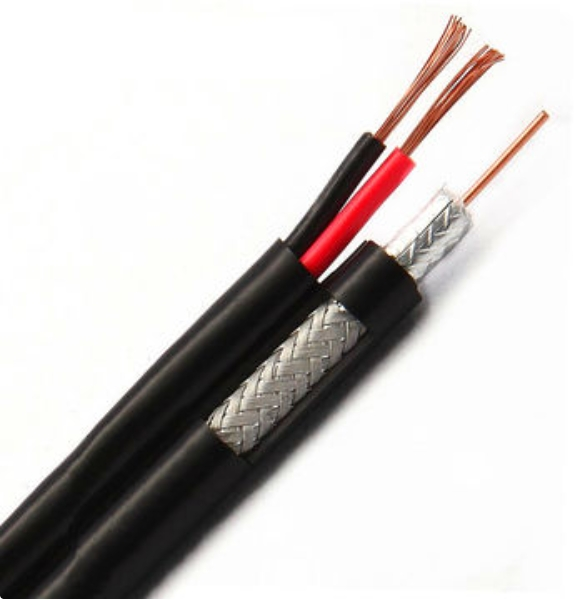
| Conductor material and AWG | Conductors affect PoE voltage drop, heat, and termination stability. | Specify solid copper, gauge, length, and certification expectations. |
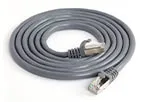
| Shielding structure | Shielding helps noisy sites only when grounded and terminated correctly. | Define UTP, F/UTP, S/FTP, grounding path, and compatible plugs or panels. |
| Jacket rating | The jacket determines fire rating, UV resistance, moisture protection, and pathway suitability. | Match plenum, riser, outdoor, or burial rating to the route. |
| Termination and test | A good cable can fail if installed with rough pulling or poor termination. | Set bend radius, pulling tension, connector quality, and field test method. |
Application case: how this appears on a real project
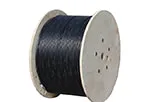
A contractor pulling many runs through one building can lose time if reel behavior and markings are inconsistent. Bulk cable quality affects daily installation speed.
This type of case is useful because it keeps the article away from empty promotion. It shows the buyer how the problem develops, what should be checked first, and why a product page or product category is relevant. The goal is to help the reader make a more accurate decision, not to push a single answer before the operating condition is understood.
Recommended solution path
The practical path is to compare cable construction, packaging, meter marking, and batch test evidence. That means the team should write down the pain point, identify the product parameters that control it, and then compare product options against those parameters. If the buyer has drawings, photos, route conditions, site dimensions, test data, or failure records, those should be used before a final configuration is selected.
This section matters because it ties the operating problem to a product path and a verification method. The content stays practical and informational while still helping the reader move toward a sound specification decision.
Common FAQ
What should be checked first when evaluating bulk ethernet cable for installers? Start with the condition that created the search. For this topic, the main pain point is that installers need consistent reels and test results, not only a low unit price. The first check should connect that pain to one or two measurable product parameters.
How can buyers avoid choosing the wrong specification? They should avoid comparing only a headline product name. A better process is to compare the application case, the parameter table, the verification method, and the related product link together.
When is a product page link useful in the article? A product link is useful when it helps the reader continue from education to specification. For this article, the relevant path is bulk Ethernet cable path.
What should the buyer prepare before the final decision? Prepare drawings, photos, operating conditions, route data, failure records, and any sample or inspection requirements. A supplier can respond more accurately when the operating condition is clear.
Related product path
For readers who need a product reference after understanding the selection logic, review bulk Ethernet cable path. The page should be used as a product path, while the final configuration should still be checked against the application condition described above.