


In the rapidly evolving world of data transmission, reliable and high-performance networking solutions are essential for businesses and homeowners alike. One such cable type that has become a cornerstone of modern connectivity is the Category 5 (Cat 5) Ethernet cable. With its ability to support long-distance connections, Cat 5 cables have been a go-to choice for extending network coverage up to 1000 feet. In this article, we’ll delve into the intricacies of Cat 5 cables, their capabilities, and why OWIRE stands out as a top brand for 1000-foot installations.
Cat 5 Ethernet cables, initially introduced in the mid-1990s, were designed to provide a standard for twisted-pair copper cables used in local area networks (LANs). These cables feature four pairs of conductors, each pair twisted together to minimize signal interference. The standard specifies a maximum bit rate of 100 Megabits per second (Mbps) for full-duplex operation, which means they can transmit and receive data simultaneously. However, due to their robust design and backward compatibility, Cat 5 cables have proven to be versatile, supporting even higher speeds through the adoption of newer protocols like Fast Ethernet (100 Mbps) and Gigabit Ethernet (1000 Mbps or 1 Gbps).
One key factor that influences the performance of a Cat 5 cable over long distances is its attenuation, or the loss of signal strength over time. While Cat 5e and later versions address this issue to some extent, it’s crucial to consider the signal-to-noise ratio when deploying cables beyond the recommended lengths. Standard Cat 5 specifications allow for a maximum cable run of around 100 meters (328 feet), but for installations requiring 1000 feet, additional measures must be taken to maintain signal integrity.

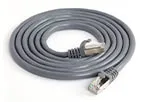
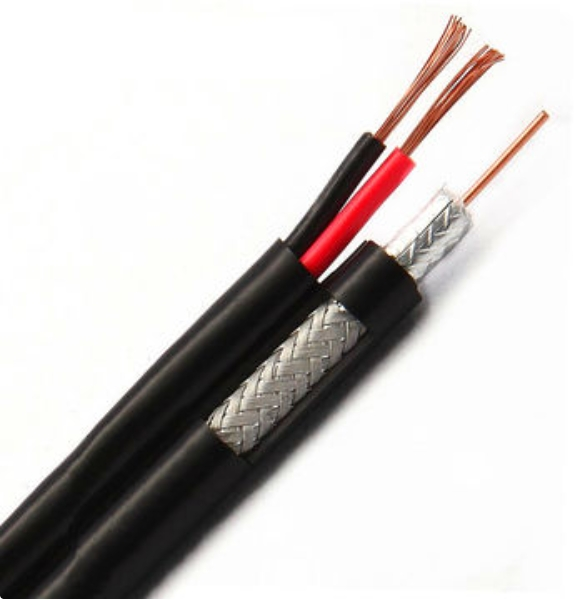
One such solution is to use a shielded cable, such as a shielded twisted-pair (STP) Cat 5 cable or a shielded version of Cat 5e. Shielding helps to reduce electromagnetic interference (EMI) and radio frequency interference (RFI), which can degrade the signal quality. OWIRE, a reputable brand in the networking industry, offers shielded Cat 5e cables specifically designed for extended runs. Their cables incorporate advanced shielding technologies that not only protect against external interference but also improve overall signal stability.
Another strategy to optimize Cat 5 performance over long distances is to use a high-quality connector. Low-quality connectors can introduce signal loss and noise, so it’s essential to invest in high-quality RJ-45 connectors that provide a secure and snug fit. OWIRE’s cables come equipped with premium connectors that ensure a reliable connection, even when dealing with the challenges of extended runs.
When selecting a Cat 5 cable for a 1000-foot installation, it’s also essential to consider the cable’s gauge. Thicker cables typically have better conductivity and can withstand more strain, making them more suitable for longer runs. OWIRE offers a range of Cat 5e cables with different gauges, allowing you to choose the one that best fits your specific requirements.
It’s important to note that while Cat 5 cables can handle 1000 feet of cable length, performance may not be optimal. As the distance increases, signal degradation becomes more pronounced, leading to slower data transfer rates and potential connection drops. To maintain optimal performance, it’s advisable to use a combination of cable length optimization, proper termination, and a switch or hub that supports auto-MDI-X (Media Dependent Interface X), which can help mitigate signal issues.
In conclusion, Cat 5 Ethernet cables, although not designed for 1000-foot installations, can still be effective with the right combination of shielding, high-quality connectors, and careful planning. OWIRE, as a trusted brand, provides shielded Cat 5e cables that cater to the needs of long-distance installations. By investing in their products, you can ensure stable and reliable connectivity even when extending your network beyond the norm. As technology continues to advance, it’s essential to stay informed about emerging standards and best practices to maintain your network’s efficiency and performance over time.