


When it comes to setting up a computer network, choosing the right type of network cable is crucial. Two of the most commonly used network cables today are Cat5e and Cat6. In this blog post, we’ll explore the key differences between Cat5e and Cat6 cables and examine the advantages and disadvantages of using each.

Differences Between Cat5e and Cat6 Network Cables:
When it comes to choosing the right type of network cable for your needs, understanding the differences between Cat5e and Cat6 is crucial. Both Cat5e and Cat6 are types of twisted pair cables used for transmitting data between devices on a computer network. However, they differ in several important ways.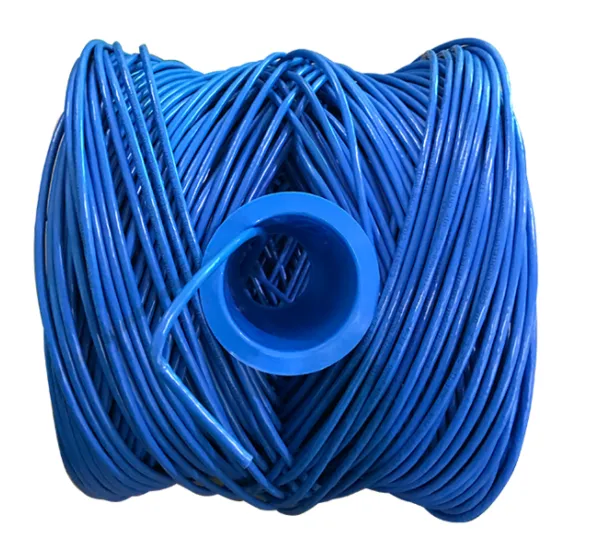
Data Transfer Rate:
The main difference between Cat5e and Cat6 is their data transfer rate. Cat5e can transmit data at speeds up to 1000Mbps (megabits per second), while Cat6 can transmit data at speeds up to 10Gbps (gigabits per second). This means that Cat6 cables can handle significantly more data and are ideal for high-bandwidth applications, such as streaming video or online gaming.Frequency:
Another key difference between Cat5e and Cat6 is the frequency at which they operate. Cat5e cables operate at frequencies up to 100MHz, while Cat6 cables operate at frequencies up to 250MHz. This higher frequency means that Cat6 cables are less susceptible to crosstalk and other forms of interference, making them more reliable and consistent for demanding applications.Construction:
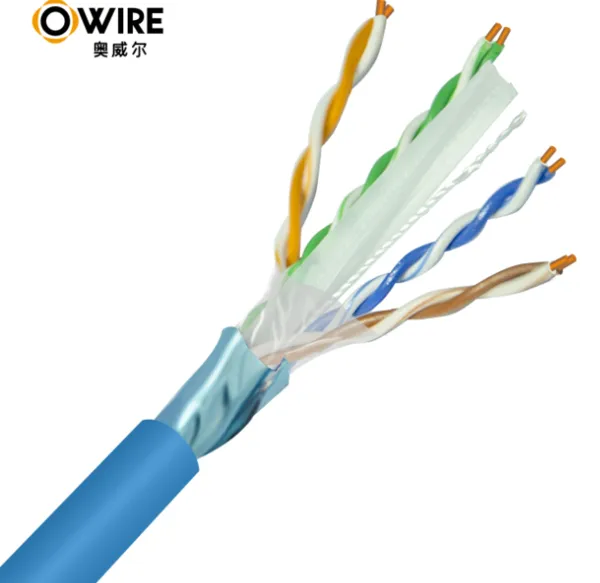
Cat6 cables are also constructed differently from Cat5e cables. Cat6 cables have thicker copper conductors, a tighter twist ratio, and stricter manufacturing standards. These differences make Cat6 cables more reliable and better suited to high-bandwidth applications, as they can handle more data with less interference.Advantages and Disadvantages of Using Cat5e and Cat6 Cables:
The choice between Cat5e and Cat6 depends on the specific needs of your network. Here are some advantages and disadvantages of using each type of cable: