


Cat6A cable for parcel dimensioning conveyor network installations
To source Cat6A cable for parcel dimensioning conveyor network installations, first define the operating conditions, the interfaces and the evidence needed to approve a representative sample. Identify scanner and dimensioning station links with cabinet terminations and route lengths. Review installation near conveyor drives with the network designer. Request construction evidence for the offered cable and retain installed-link results against outlet and reel identifiers. The relevant offering is network and fiber optic cables; suitability depends on the selected configuration and the buyer’s acceptance requirements. Use the product information to shortlist an option, then ask for confirmation against the project specification before committing to recurring supply.
Freeze the interfaces before ordering
Start with the failure that would invalidate the design. Translate that risk into a measurable requirement and identify the interface that controls it. A nominal product description is useful for shortlisting, but it is not an acceptance specification. Mark required values, tolerances and operating limits in the same revision so that a sample can be evaluated without interpretation.
Keep the trial close to the intended duty. Changing the test setup between suppliers can hide an interface problem or make two acceptable samples appear different. Record the equipment configuration, operating conditions and measurement method. If the result falls outside the agreed limit, resolve the cause before changing the purchase quantity. A favorable demonstration under easier conditions should not override a failed representative trial.
Design limits and interface checks
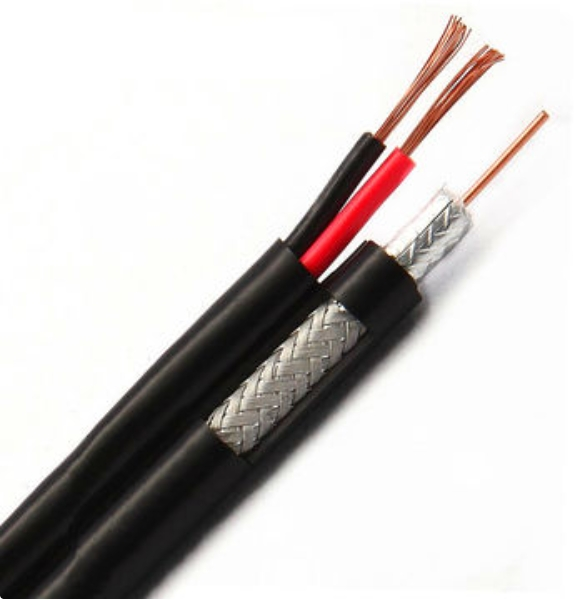
For Cat6A cable for parcel dimensioning conveyor network installations, establish cable structure, fiber/conductor specification, core count, shielding, jacket, tensile strength, installation environment, fire rating, test standard, reel length, quantity. Enter required values in the RFQ and distinguish them from supplier-proposed values. Where a limit is not yet known, identify the test or project input needed to close it; leaving an empty field is better than turning an assumption into a requirement.
| Buyer need | Recommended product | Key specification | Why it matters |
|---|---|---|---|
| Application fit | network and fiber optic cables | cable structure, fiber/conductor specification, core count | Establishes the basic comparison boundary |
| Interface approval | Application-matched network and fiber optic cables | shielding, jacket, tensile strength | Reduces installation and qualification uncertainty |
| Repeat supply | Approved network and fiber optic cables configuration | installation environment, fire rating, test standard, reel length, quantity | Keeps later deliveries tied to the accepted scope |
Validate the application duty
Consider a buyer evaluating Cat6A cable for parcel dimensioning conveyor network installations. This is a planning scenario, not a reported customer result. Complete an installed-link check at a representative dimensioning station. Record the termination hardware, outlet label and cable reel so the handover evidence identifies the exact link tested. Keep a record of the starting condition and the proposed acceptance limit. The trial should produce a clear approval, rejection or request for additional information.
If the sample needs a change, state which requirement it failed and update the controlled specification before requesting another sample. Retain the accepted sample identity, test setup and approval date. These records help the next buyer, installer or receiving inspector understand what was agreed without repeating the qualification work.
Technical acceptance evidence
Request conductor/fiber verification, attenuation or electrical testing, jacket and marking checks, fire rating documentation, reel/packing inspection, batch traceability as applicable to the offered configuration. These are checks to agree with the supplier, not a statement that a particular batch has already passed. Match each requested record to the relevant purchase requirement and ask how the delivered lot will be identified.
Before shipment, review the packing arrangement and included accessories against the order. At receiving, check identification, visible condition and the agreed critical features. Record discrepancies with photographs and the affected lot reference so that the supplier can investigate the exact delivery. Keep unresolved deviations open until the authorized approver accepts the proposed disposition.
Where this configuration belongs
Best for: teams buying network and fiber optic cables against a defined industrial application and a documented acceptance requirement. Suitable for: EPC contractors, network integrators, electrical distributors, security installers, telecom and infrastructure procurement teams. A trial order is useful when the working conditions or interfaces still need validation.
Not suitable for: a purchase based only on appearance, an undocumented substitution or an application outside the confirmed operating limits. Individual retail inquiries without a technical requirement are unlikely to provide enough information for a project quotation. Confirm the specific model before making performance or compliance commitments to an end customer.
Can a nominally similar item be substituted?
Only after the responsible engineer compares functional interfaces and acceptance evidence. A similar product name does not establish equivalence. Record each departure from the approved revision, request the missing measurements and repeat the affected trial before approving the substitution.
Use the cable family and project route together
OWIRE lists network cable, fiber optic cable and fiber patch cords as separate product groups. Its network range includes Cat6 and Cat6A, while fiber selections distinguish indoor, outdoor and drop-cable applications. Tie the offered construction to the route and termination schedule. Request the relevant electrical or optical evidence and keep installation limits with the packing and receiving documents.
Questions before ordering
What information makes the first quotation useful?
Provide the application, quantity, destination and required delivery date together with cable structure, fiber/conductor specification, core count. Attach the relevant drawing, layout or operating record. Identify any mandatory acceptance limit and name the person who can answer technical questions. Ask the supplier to return assumptions and exclusions with the offer so the commercial team can compare the same scope.
How should the proposed configuration be approved?
Compare it against the actual operating conditions rather than the product name alone. Review shielding, jacket, tensile strength and clarify any missing interface information. Use a representative sample or trial where the result cannot be established from existing documentation. Record the approved configuration and the acceptance evidence together; later changes should be checked against that record before a repeat order is released.
Which quality evidence should accompany the order?
Ask for records relevant to the selected configuration, including conductor/fiber verification, attenuation or electrical testing, jacket and marking checks. Agree the sample size, acceptance method and document revision before production. A general brochure or unrelated report does not establish that the delivered batch meets the purchase specification. At receiving, connect the supplied documents to the lot identification and inspect the features that control application fit.
Can packaging or project details be customized?
Submit the requested label, packing, interface or documentation changes with the inquiry. Ask the supplier to confirm feasibility, order quantity and the effect on approval or delivery before treating the request as included. Keep the accepted changes in the controlled order specification. For recurring supply, define how the customized version will be identified and how replacements will be distinguished from standard items.
When can the delivery date be confirmed?
Request a schedule tied to specification approval, sample acceptance and the agreed commercial terms. Separate production completion from shipment and arrival at the destination. State any installation deadline and receiving constraints, then ask the supplier to identify dependencies. No fixed lead time is established by this selection guide; the quotation needs to confirm the schedule for the actual configuration and quantity.
RFQ details and approval responsibilities
Include the drawing or system layout, controlled revision, operating envelope and proposed acceptance method. Identify the engineer who can close technical questions, and separate mandatory limits from preferred features.
- What is the intended application and which operating condition is most demanding?
- What trial quantity and first production quantity are needed?
- Which measurements decide acceptance, and who approves the result?
- What destination, packing format and arrival date must the offer cover?
- Which customization, documentation or replacement requirements are mandatory?
Send the interface package for technical review
Contact the project team with the completed requirement package. Include cable structure, fiber/conductor specification, core count, shielding and the planned order quantity. Ask for the offered configuration, deviations, relevant inspection evidence and a schedule tied to approval. Review the product range and company website when preparing the inquiry.
Review the project and application information when defining the inquiry scope.