
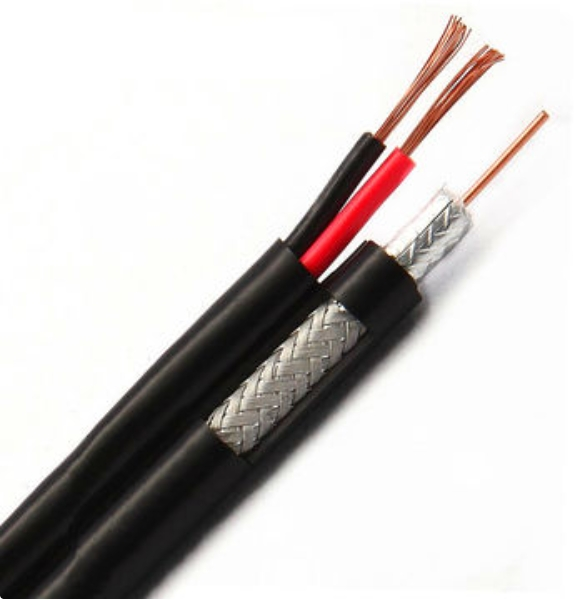
Direct burial Cat6 cable for solar farm CCTV networks must be selected as part of the complete outdoor communication and power path. Camera density, switch locations, Ethernet distance, PoE load, trench drainage, conduit use, soil moisture, rodents, lightning exposure, grounding, temperature, UV at risers, and local installation rules all affect reliability. EPC contractors, security integrators, developers, and distributors should provide a route drawing, segment lengths, camera and switch data, PoE class, burial method, environment, connector plan, test standard, quantity, drum schedule, and destination. Those inputs determine whether copper Ethernet is suitable and which conductor, shielding, water-blocking, jacket, armor, and surge strategy are required.
Confirm Copper Ethernet Is Suitable for the Route
Start with the maximum permanent-link and channel lengths, switch architecture, equipment locations, bandwidth, camera bit rate, PoE power, ambient temperature, and maintenance access. Long array blocks may be better served by fiber backbones with local PoE switches rather than forcing copper beyond applicable channel limits. Separate data design from wishful cable selection: a higher category mark does not extend Ethernet distance or remove voltage drop. Identify every transition through combiner areas, inverter stations, control rooms, poles, cabinets, and buildings. The network designer should approve copper, fiber, wireless, or hybrid segments based on performance, isolation, surge exposure, and total lifecycle cost.
Define Burial, Water, Rodent, and Chemical Exposure
State direct-burial depth, conduit or tray sections, soil type, standing-water risk, drainage, flooding, groundwater, rodents, insects, fertilizer, oil, cleaning chemicals, and temperature range. Outdoor-rated does not automatically mean direct-burial or continuous-water capable. Specify the required jacket and water-blocking construction, such as suitable compounds, tapes, gels, or barriers, based on the actual standard and environment. If metallic armor is considered, include bonding, grounding, corrosion, pull tension, bend radius, and termination. Exposed risers and cabinet entries may add UV, flame, sunlight-resistance, and mechanical-protection requirements that differ from the buried section.
Calculate PoE Current, Resistance, and Temperature
Provide each camera's power demand, PoE type, cable length, conductor size, switch budget, connector count, bundle size, ambient and soil temperature, and expected simultaneous load. Conductor resistance and connection quality influence voltage drop and heating. Copper-clad aluminum should not be substituted where solid copper or another defined conductor is required. Review derating for bundles, warm cabinets, sun-exposed risers, and high-power devices. The calculation should cover the complete channel, including patch cords, surge devices, couplers, and terminations. Validate startup and worst-case infrared heater, pan-tilt-zoom, or auxiliary loads rather than using only average camera consumption.
Coordinate Shielding, Grounding, and Surge Protection
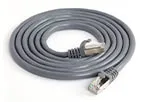
Solar farms contain long outdoor routes, power conversion equipment, lightning exposure, and ground-potential differences. Decide between unshielded and shielded copper from the electromagnetic design, separation, equipment ports, grounding system, surge protection, and local codes. A shield is not a complete lightning solution, and an incorrectly bonded shield can create other risks. Coordinate cable, connectors, patch panels, cabinets, earth system, surge protective devices, and fiber isolation points. Maintain required separation from DC strings, AC feeders, inverters, transformers, and earthing conductors. Document bonding at each transition so installers do not improvise inconsistent terminations across the site.
Plan Reels, Pulling, Splicing, and Identification
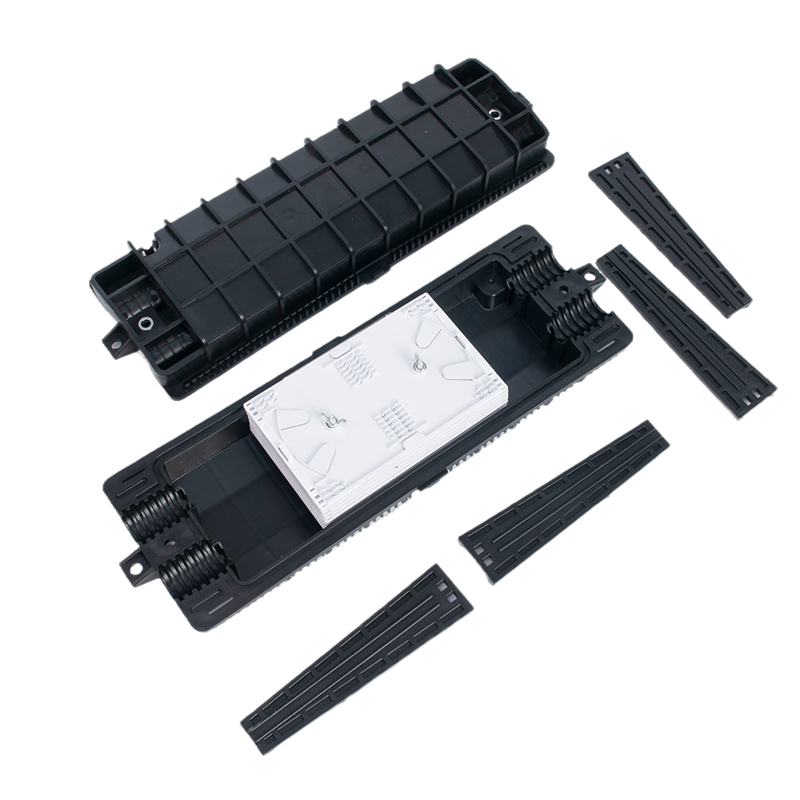
Issue a cable schedule with route IDs, measured length, slack, drum allocation, pulling direction, cabinet entry, connector type, and spare allowance. Confirm maximum pulling tension, minimum bend radius, temperature during installation, lubricant compatibility, and whether the construction may be installed in the chosen conduit or directly in soil. Avoid hidden copper data splices unless a specified accessible enclosure and connector system is approved. Protect cable ends from moisture before termination. Label both ends and intermediate access points with route, camera, switch, cable type, drum, and test record. Accurate drum planning reduces waste and prevents unapproved joints in remote array fields.
Test and Handover the Installed CCTV Channel
Agree on incoming cable inspection, conductor resistance, continuity, insulation where applicable, wiremap, length, insertion loss, return loss, crosstalk, shield continuity, PoE load checks, and the category certification method for the installed channel. Test after pulling and termination, then confirm cameras under maximum power and network load. Record instrument model, calibration, limit, cable ID, date, and technician. Also inspect trench, conduit seals, cabinet glands, drip loops, surge protection, grounding, labels, and spare coils. Handover should include route drawings, drum and lot data, test files, failures and repairs, approved substitutions, and maintenance guidance.
Procurement Comparison
| Review area | Buyer input | Acceptance evidence |
|---|---|---|
| Network | Distance, bandwidth, PoE, switches | Approved copper/fiber architecture |
| Environment | Water, soil, rodents, UV, chemicals | Specified jacket and blocking design |
| Protection | Separation, grounding, surge exposure | Bonding and SPD drawings |
| Acceptance | Cable IDs, tests, camera load | Certified channel records |
Frequently Asked Questions
Is every outdoor Cat6 cable suitable for direct burial?
No. Outdoor exposure, direct burial, conduit, intermittent water, and continuous wet conditions are different requirements. Specify the installation environment and applicable standard, then review jacket, water blocking, mechanical protection, temperature, UV, chemicals, and rodent risk. Do not rely on an outdoor label without a documented construction and use condition.
Can Cat6 run farther than the normal Ethernet limit?
The category name does not remove channel-length limits. Long solar-farm routes often need fiber backbones, local switches, extenders approved for the system, or another architecture. Provide measured lengths, bandwidth, PoE load, cabinets, and equipment so the network designer can select a compliant and maintainable topology.
Should solar farm CCTV cable be shielded?
Shielding depends on equipment, electromagnetic exposure, separation, grounding, surge protection, and codes. It can help in a coordinated system but is not a substitute for lightning protection or fiber isolation. Define the complete bonding and termination concept before ordering shielded cable, connectors, patch panels, and surge devices.
What data is needed for a PoE voltage-drop review?
Provide camera power and PoE type, conductor material and size, cable length, patch cords, connectors, surge devices, ambient and bundle temperature, switch voltage and power budget, and simultaneous load. Include heater, infrared, pan-tilt-zoom, and startup demand so the review covers the worst operating case.
Which tests should be included at handover?
Specify wiremap, length, conductor resistance, insertion loss, return loss, crosstalk, shield continuity where used, PoE load operation, and camera/network function. Record cable IDs, instrument and calibration, limits, results, repairs, route drawings, drum lots, grounding, surge devices, labels, and sealed cabinet entries.
Image Suggestions
- Solar farm CCTV trench and network cabinet route — alt: direct burial Cat6 cable solar farm CCTV
- Outdoor Ethernet cable construction and water blocking — alt: direct burial Cat6 water blocking construction
- Field certification of a solar CCTV Ethernet channel — alt: solar farm Cat6 cable channel testing
Internal Links and Next Step
Review the related product and capability information, then use the official project contact page to send specifications for an engineering review and quotation.
Lead Qualification Questions
- What is the exact application, operating environment, and project country?
- Which model, drawing, material, size, or performance requirements apply?
- What quantity, forecast, samples, testing, and documentation are needed?
- What packaging, labeling, certification, destination, and delivery date apply?
- Who will approve the technical specification and first article?
Request a B2B Project Quotation
Send the application, technical data, required quantity, project schedule, destination, drawings or photos, testing and documentation needs, and purchasing contact. The team can then review suitability, identify missing inputs, and prepare a project-specific response. This guide supports industrial projects, distributors, contractors, system integrators, and OEM or ODM programs rather than one-piece retail purchasing.