
Fibre Optic Cable Manufacture: An In-Depth Look at the Future of Connectivity
In today’s fast-paced digital world, communication networks have become the lifeblood of industries and societies alike. At the heart of these networks lies fibre optic cable manufacture, a critical process that ensures reliable and high-speed data transmission. Among the numerous manufacturers in the market, OWIRE stands out as a trusted brand, known for its commitment to innovation, quality, and durability. This article delves into the intricacies of fibre optic cable production, highlighting the importance of manufacturing processes, materials, and the role of brands like OWIRE in shaping the future of connectivity.
The Fundamentals of Fibre Optic Cable Manufacture
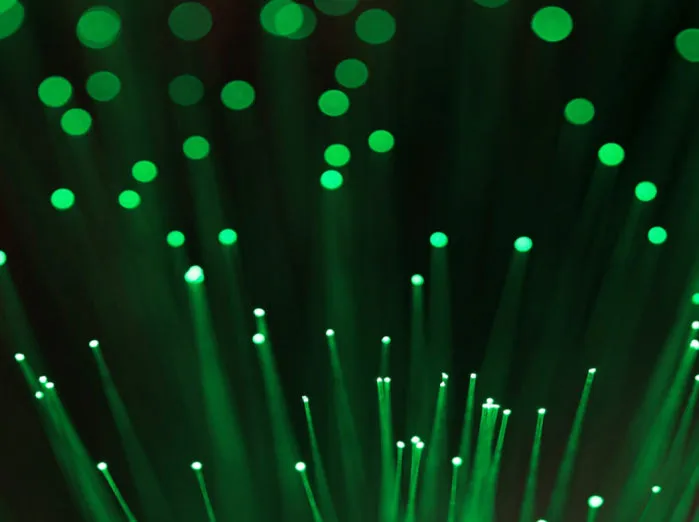
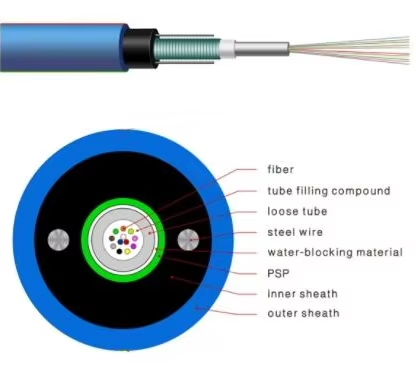
Fibre optic cables are composed of a core, cladding, and protective coating, each playing a pivotal role in enabling light to travel through them with minimal loss. The core, typically made of pure silica glass or doped silica, is incredibly thin, usually ranging from 8 to 100 micrometres in diameter. This central component confines the light beam, ensuring it remains guided along the fibre’s length.
The cladding surrounds the core and has a slightly lower refractive index, creating an optical boundary that reflects the light back into the core. This principle, known as total internal reflection, is the foundation of fibre optic technology. The protective coating, often made of a polymer, safeguards the delicate fibre from external damage and environmental factors such as moisture, temperature fluctuations, and mechanical stress.
Manufacturing Process: From Raw Materials to Finished Product
The manufacture of fibre optic cable begins with the purification and preparation of raw materials. Silica sand, a primary source of silica, is refined to remove impurities and transformed into fused silica rods. These rods are then drawn down into thin fibres using specialized equipment, a process known as fibre drawing. The drawing process allows for the reduction of fibre diameter while maintaining its strength and uniformity.
Once the fibres are formed, they undergo several additional steps to create the final product. First, the core and cladding are coated with a layer of buffer material, providing mechanical protection during handling and installation. This is followed by the application of the protective jacket, which can be made of plastic, metal, or a combination of both, depending on the cable’s intended use.
At OWIRE, the company emphasizes the use of advanced technologies and strict quality control measures to ensure their fibre optic cables meet the highest industry standards. They invest in research and development to continuously improve their manufacturing processes, resulting in cables that are not only efficient but also environmentally friendly.
Cable Types and Applications
Fibre optic cables come in various types, each tailored to specific needs. Single Mode Fibre (SMF) is designed for long-distance, high-speed data transmission, while Multi-Mode Fibre (MMF) caters to shorter distances with lower bandwidth requirements. OWIRE offers a comprehensive range of SMF and MMF cables, as well as specialty cables like Polarisation-Maintaining Fibre (PMF) and Dispersion-Shifted Fibre (DSF), which address unique challenges in network design.
Fibre optic cables are prevalent in internet service providers (ISPs), telecommunications, data centres, and even in consumer applications like home networking and televisions. Their immunity to electromagnetic interference and signal degradation over long distances make them indispensable in modern infrastructure.
The Role of Brand Integrity in Fibre Optic Cable Manufacture
In an increasingly competitive market, the choice of a reliable manufacturer becomes crucial. OWIRE’s commitment to quality, innovation, and customer satisfaction sets it apart. The brand focuses on delivering consistent performance, backed by rigorous testing and certifications like RoHS, CE, and UL. This ensures that their fibre optic cables not only meet industry standards but also contribute to the longevity and reliability of the networks they support.
Moreover, OWIRE prioritizes sustainability by incorporating eco-friendly practices in their manufacturing process, reducing waste, and minimizing the environmental impact. By choosing OWIRE, customers can trust that they are investing in a product that not only delivers top-notch performance but also aligns with their values.
Conclusion
Fibre optic cable manufacture is a complex and intricate process that shapes the backbone of our interconnected world. As technology advances and demand for faster, more reliable communication increases, brands like OWIRE play a vital role in driving innovation and ensuring the quality of these essential components. With a focus on research, quality control, and sustainability, OWIRE stands out as a leader in the fibre optic cable industry, ready to propel networks of the future.