
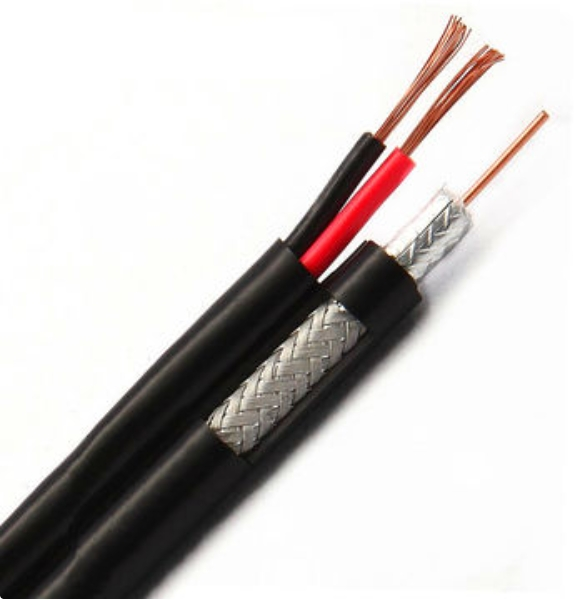
Blowing fiber optic cable, also known as air-blown fiber installation, is an efficient and effective method of installing fiber optic cables in ducts over long distances. The process involves using compressed air to propel the cable through a pre-installed duct. Here’s a step-by-step guide on how to blow fiber optic cable:
1. Planning and Preparation
- Duct Installation: Ensure the duct (often HDPE or microducts) is properly installed, clean, and free from debris.
- Cable Compatibility: Use cables specifically designed for blowing, which are lighter and have a smooth outer jacket to minimize friction.
- Equipment Check: Verify that the blowing machine, air compressor, and other necessary equipment are in proper working condition.
2. Duct Inspection and Preparation
- Duct Cleaning: Clean the duct using a sponge or foam plug blown through the duct with compressed air to remove dust, dirt, and moisture.
- Seal and Pressure Test: Perform a pressure test on the duct to ensure there are no leaks that could affect the blowing process.
- Duct Lubrication: Apply a cable lubricant (if needed) to reduce friction during installation, particularly in long or complex routes.
3. Setting Up the Blowing Machine
- Machine Placement: Position the blowing machine near the duct’s entry point.
- Cable Insertion: Feed the fiber optic cable into the blowing machine’s cable inlet. Ensure the cable is free from kinks or twists to avoid damage during installation.
- Sealing the Duct: Attach a sealing mechanism (e.g., gasket or rubber plug) to the duct to prevent air from escaping and ensure maximum air pressure is directed through the duct.
4. Cable Blowing Process
- Air Compression: Use a high-capacity air compressor to generate the air pressure required to propel the cable. Air pressure typically ranges from 10 to 15 bars (145 to 217 PSI), depending on the duct and cable specifications.
- Monitor Cable Speed: The blowing machine will control the speed at which the cable is propelled. Speeds can vary, typically ranging from 30 to 100 meters per minute. Monitor the speed to ensure smooth and consistent blowing.
- Cable Guidance: As the cable is blown through the duct, maintain a gentle tension to guide it and prevent buckling. Ensure the cable is not bent beyond its bend radius.
5. Dealing with Obstacles
- Mid-Point Installation: For long distances (over 1–2 kilometers), a mid-point blowing station can be set up to boost the process. This allows the cable to be blown in segments.
- Route Curves and Turns: For routes with significant curves, reduce the blowing speed and adjust air pressure to prevent the cable from becoming stuck.
6. Completion and Testing
- Monitor Cable Exit: Once the cable reaches the end of the duct, stop the air compressor and blowing machine.
- Cable Protection: Secure the cable at both ends and leave slack as needed to prevent tension.
- Test the Cable: Perform testing, such as Optical Time-Domain Reflectometer (OTDR) testing, to ensure the integrity of the fiber and verify there was no damage during installation.
7. Documentation
- Record the Process: Document the entire installation process, including the length of the duct, air pressure used, cable type, and the distance blown.
- Location Marking: Mark the route of the fiber optic cable for future reference and maintenance.
Key Considerations
- Cable Bend Radius: Always maintain the minimum bend radius of the fiber optic cable to avoid damage.
- Blowing Distance: Air-blown cable systems can typically handle distances of up to 2 kilometers in a single run, depending on duct conditions.
- Environmental Conditions: Blowing cable is most effective in dry weather to avoid moisture buildup in the duct.