

Effective network cable management is a fundamental aspect of maintaining a reliable and efficient network infrastructure. In this article, we will explore the importance of cable management, best practices for organizing network cables, and how proper management can contribute to a more efficient and streamlined network.
1. The Importance of Cable Management
Proper cable management is essential for several reasons:Preventing Cable Damage: Tangled and improperly routed cables can lead to physical damage over time. This damage can compromise data transmission and network reliability.Enhancing Network Performance: Well-organized cables reduce the risk of signal interference and crosstalk, ensuring optimal network performance.Streamlining Troubleshooting: Organized cables make it easier to identify and address connectivity issues, reducing downtime and minimizing disruptions.2. Cable Management Best Practices
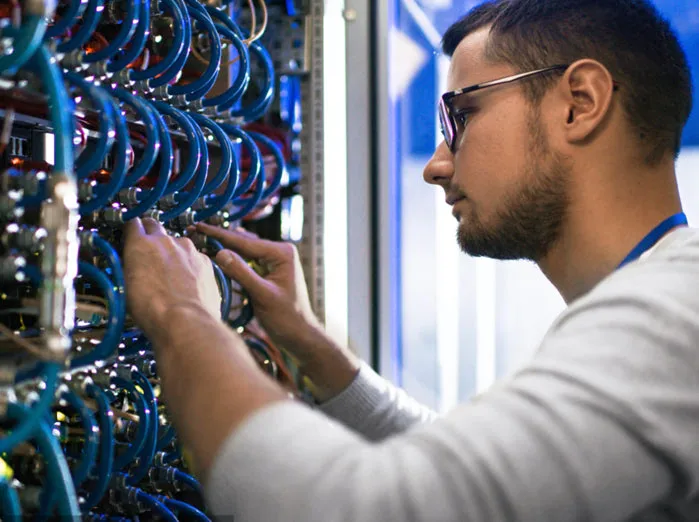
Here are some best practices for effective cable management:Labeling: Labeling cables at both ends helps identify their purpose and destination, simplifying troubleshooting and maintenance.Color Coding: Using color-coded cables for different types of connections (e.g., red for critical connections, blue for data, yellow for voice) can make cable identification more straightforward.Cable Bundling: Grouping cables that run together in bundles or sleeves helps keep them organized and prevents tangling.Cable Routing: Route cables along dedicated paths and use cable trays, raceways, or hooks to secure them. Avoid running cables near sources of electromagnetic interference.Cable Length Management: Use cables that are the appropriate length for the connection to avoid excess slack that can lead to tangling.Cable Ties and Velcro Straps: Secure cables with cable ties or Velcro straps to keep them neat and organized. Velcro straps are reusable and allow for easy adjustments.Rack and Cabinet Management: Properly organize cables within server racks and cabinets, using cable management arms, panels, and vertical and horizontal cable managers.