



Optical Fiber Factory: The Heart of Modern Communication Infrastructure
In today’s digital age, the backbone of our global communication network is a silent yet indispensable component – the optical fiber factory. These cutting-edge facilities are the birthplace of the thin, flexible strands that transmit data at unimaginable speeds, revolutionizing the way we live, work, and interact with one another. Among the many players in this critical industry, OWIRE stands out as a trusted and innovative brand, delivering high-quality products that meet the ever-increasing demands of the modern world.
An Optical Fiber Factory at a Glance
At its core, an optical fiber factory is a highly specialized facility where raw materials are transformed into the intricate fibers that form the foundation of telecommunications. The process begins with the selection of high-purity silica, a key ingredient for creating the glass core of the fiber. This core is surrounded by a protective cladding, typically made of plastic or polymer, which ensures efficient light transmission and minimizes signal loss.
The manufacturing process itself is a delicate dance of precision engineering and advanced technology. Advanced robotics and automated systems handle tasks like drawing, coating, and fusion splicing, allowing for consistent and accurate production on a massive scale. Each step, from the initial extrusion of the fiber to the final inspection and packaging, is meticulously controlled to guarantee the highest quality standards.
OWIRE: A Leader in Optical Fiber Manufacturing
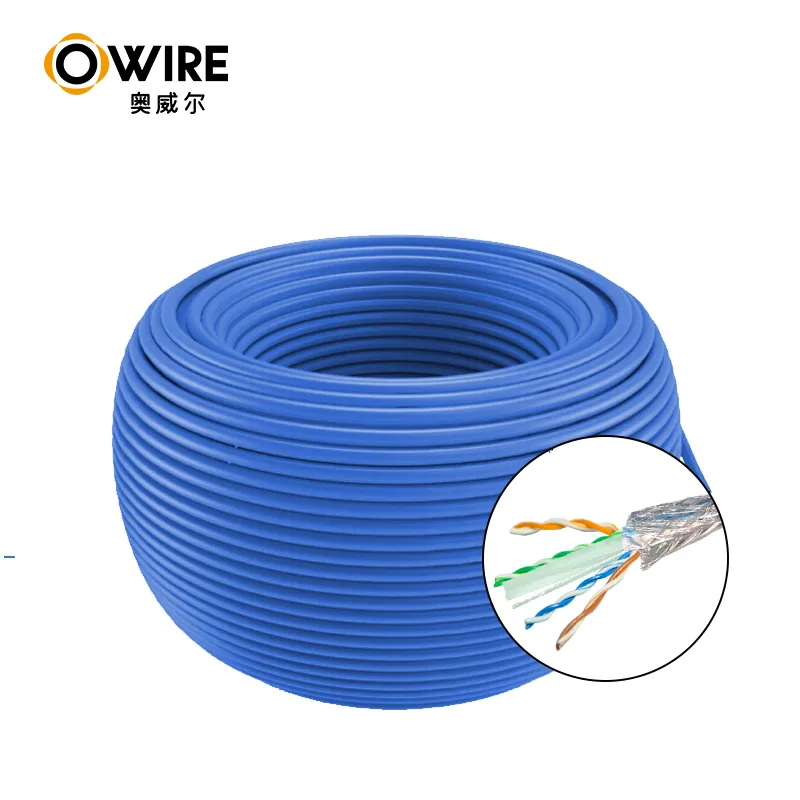
OWIRE, a prominent player in the optical fiber market, is known for its commitment to innovation and reliability. The company invests heavily in research and development, constantly pushing the boundaries of what’s possible with fiber technology. Their factories employ state-of-the-art equipment and adhere to strict quality control measures, ensuring that every fiber produced meets the demanding requirements of today’s networks.
One of OWIRE’s specialties is their patented multi-fiber ribbon cables (MFR), which bundle multiple fibers together in a single cable, reducing space requirements and enhancing network density. This not only saves on installation costs but also facilitates the densification of urban infrastructure, a crucial factor in meeting the growing demand for bandwidth.
Another key aspect of OWIRE’s offering is their focus on environmental sustainability. They implement eco-friendly manufacturing practices, minimizing waste and emissions throughout the production process. This not only contributes to a greener future but also reduces operational costs, making their products more attractive to businesses seeking sustainable solutions.
Optical Fiber Factory Operations: Efficiency and Flexibility
A successful optical fiber factory operates like a well-oiled machine, balancing efficiency and adaptability. As technology evolves, these factories must be able to pivot quickly to incorporate new materials, designs, and manufacturing techniques. For instance, the rise of photonic integrated circuits (PICs) has necessitated the production of specialty fibers with tailored properties, such as low-loss or dispersion-shifted fibers.
OWIRE’s factories are designed to accommodate these changes, with modular layouts that allow for easy expansion and integration of new equipment. This flexibility ensures that they can stay ahead of the curve, meeting the diverse needs of the market and enabling their customers to stay competitive in an ever-evolving landscape.
The Future of Optical Fiber Factories: 5G and Beyond
As we transition to the fifth generation of wireless technology (5G) and beyond, the demand for higher-speed, lower-latency connections will skyrocket. Optical fiber factories like OWIRE’s will play a pivotal role in meeting this challenge. They will need to produce fibers capable of supporting terabit-per-second speeds, while maintaining reliability and durability under the extreme conditions of next-generation networks.
Moreover, the advent of technologies like quantum computing and the Internet of Things (IoT) will require new types of optical fibers that can handle the exponential growth in data traffic. OWIRE, with its focus on innovation, will undoubtedly continue to lead the charge in developing these futuristic fibers.
Conclusion
In conclusion, optical fiber factories, like OWIRE‘s, are the driving force behind the digital revolution, transforming the way we communicate and conduct business. Their dedication to precision, innovation, and sustainability sets them apart in an industry that is constantly evolving. As we move forward into the era of 5G and beyond, it’s clear that the role of these factories will only become more critical in shaping the future of connectivity. With OWIRE at the forefront, we can expect to see continued advancements in optical fiber technology, paving the way for a more connected and efficient world.