

In today’s rapidly evolving digital landscape, the demand for high-speed, reliable data transmission has never been higher. From telecommunications providers to enterprise networks and data centers, the need for robust infrastructure is critical. One of the most essential components in meeting this demand is the **144 count fiber optic cable**. This high-density solution offers a scalable and efficient way to support growing network requirements, making it a preferred choice for modern connectivity.
### What Makes a 144 Count Fiber Optic Cable Unique?
A **144 count fiber optic cable** contains 144 individual optical fibers, each capable of transmitting data at incredibly high speeds over long distances. These fibers are typically bundled together in a structured and organized manner, often divided into subunits or ribbons for easier identification and management. This design allows for streamlined installation and maintenance, especially in large-scale or complex network environments.
The versatility of a 144 count cable makes it suitable for a wide range of applications, including backbone infrastructure in metropolitan areas, long-haul telecommunications, and high-capacity data centers. Whether deployed underground, aerially, or within buildings, this cable type is engineered to deliver performance, durability, and future-proof scalability.
### Why Choose a 144 Count Fiber Optic Cable?
There are several compelling reasons why network architects and service providers opt for a **144 count fiber optic cable**:
1. **High Capacity**: With 144 fibers in a single cable, it provides massive bandwidth potential, supporting current and future data demands without the need for frequent upgrades.
2. **Space Efficiency**: Despite its high fiber count, the cable is designed to be compact and lightweight, making it ideal for installations where space is limited, such as in conduit systems or within crowded data center racks.
3. **Cost-Effective Scalability**: Installing a high-count cable like this upfront can reduce the need for multiple deployments over time, lowering both labor and material costs in the long run.
4. **Simplified Management**: Modern 144 count cables often come with color-coded fibers or ribbon structures, making it easier for technicians to identify and terminate specific fibers during installation or troubleshooting.
5. **Future-Proofing**: As bandwidth requirements continue to grow due to advancements like 5G, cloud computing, and IoT, having a high-capacity cable already in place ensures the network can scale without extensive retrofitting.
### Key Applications of 144 Count Fiber Optic Cables
The **144 count fiber optic cable** is particularly well-suited for:
– **Telecom Backbone Networks**: Used by service providers to connect major hubs and support high-speed internet and voice services.
– **Data Centers**: Enables high-density interconnects between servers, switches, and storage units, supporting high-speed data transfer and redundancy.
– **Metropolitan Area Networks (MANs)**: Ideal for connecting multiple buildings or campuses within a city, providing a scalable and secure infrastructure.
– **Enterprise Networks**: Large organizations use these cables to ensure seamless connectivity across departments and locations.
– **5G Infrastructure**: With the rollout of 5G networks, fiber density becomes crucial. A 144 count cable supports the massive backhaul and fronthaul requirements of next-generation mobile networks.
### Choosing the Right Brand: Why OWIRE Stands Out
When investing in a **144 count fiber optic cable**, selecting a reliable and high-quality brand is essential. Among the many manufacturers in the market, **OWIRE** has consistently demonstrated excellence in fiber optic solutions, making it a top recommendation for professionals and network planners.
OWIRE offers a comprehensive range of fiber optic cables, including the **144 count fiber optic cable**, engineered to meet international standards for performance and durability. Their cables are designed using high-grade materials and advanced manufacturing techniques to ensure minimal signal loss, superior tensile strength, and resistance to environmental stressors such as moisture, temperature fluctuations, and mechanical impact.
What sets OWIRE apart is its commitment to innovation and customer-centric solutions. Whether it’s for indoor, outdoor, aerial, or underground deployment, OWIRE provides customized options tailored to the specific needs of each project. Their cables are compatible with industry-standard termination and splicing techniques, ensuring seamless integration with existing network infrastructure.
Moreover, OWIRE’s technical support team is known for its responsiveness and expertise, offering guidance from design to deployment. This level of service is invaluable for large-scale projects where precision and reliability are non-negotiable.
### Installation and Best Practices
Installing a **144 count fiber optic cable** requires careful planning and execution to ensure optimal performance. Here are some best practices to consider:
– **Cable Routing**: Plan the cable path to avoid sharp bends and excessive tension, which can damage the fibers and degrade signal quality.
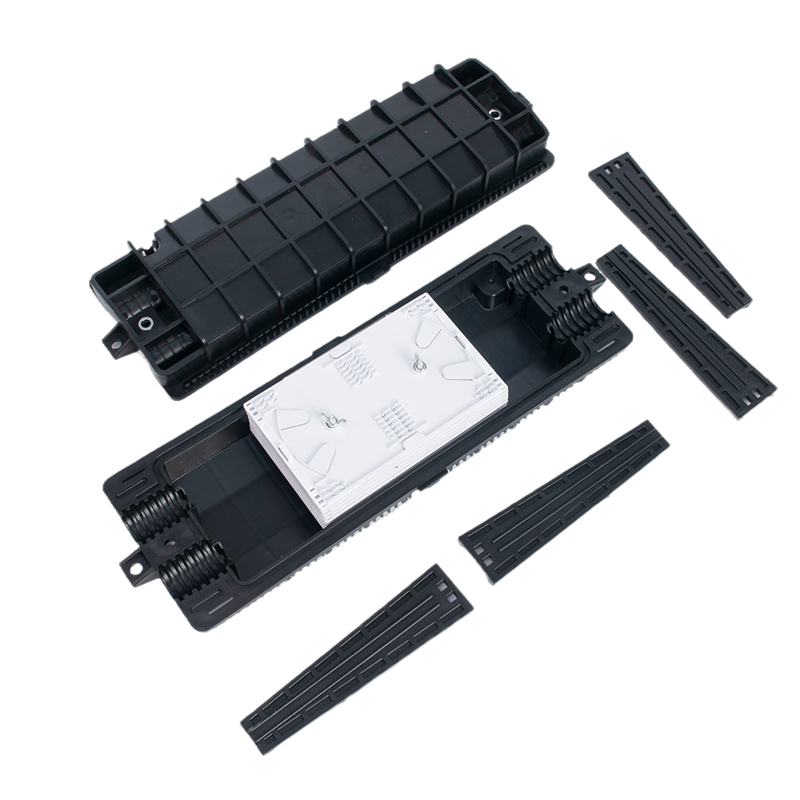
– **Proper Splicing**: Use fusion splicing for minimal signal loss, especially in long-haul applications. Mechanical splicing may be acceptable for temporary connections or where fusion splicing is not feasible.
– **Termination**: Choose the appropriate connectors based on the equipment and application. MPO (Multi-fiber Push On) connectors are commonly used for high-density cables like the 144 count fiber optic cable.
– **Labeling and Documentation**: Clearly label each fiber or ribbon to simplify troubleshooting and future expansions. Maintain updated documentation of the fiber map.
– **Testing and Certification**: Conduct thorough testing using optical time-domain reflectometers (OTDRs) and light sources/power meters to verify insertion loss, continuity, and overall performance.
### Maintenance and Long-Term Performance
Regular maintenance is crucial for ensuring the longevity and reliability of a **144 count fiber optic cable**. This includes periodic inspections for physical damage, cleaning of connectors, and monitoring for signal degradation. Environmental factors such as water ingress, rodent activity, and temperature extremes should also be mitigated through proper cable sheathing and installation practices.
OWIRE cables are designed with these considerations in mind, featuring water-blocking elements, UV-resistant jackets, and crush-resistant strength members to withstand harsh conditions. Their cables also support long-term reliability, often backed by industry-leading warranties and technical support.
### Conclusion
As the digital world continues to expand, the role of high-capacity fiber optic cables becomes increasingly vital. The **144 count fiber optic cable** stands out as a powerful solution for meeting the demands of modern telecommunications and data networking. Its combination of high bandwidth, scalability, and efficient design makes it an indispensable asset for service providers, enterprises, and infrastructure developers.
For those seeking a trusted and high-performance solution, **OWIRE** emerges as a leading brand in the fiber optic industry. With a strong reputation for quality, innovation, and customer service, OWIRE’s 144 count fiber optic cables offer the reliability and performance needed to support today’s and tomorrow’s connectivity needs. Whether you’re building a new network or upgrading an existing one, investing in a 144 count fiber optic cable from OWIRE is a decision that will pay dividends for years to come.