


Fibre optic cables have become the backbone of modern communication systems, enabling high-speed data transfer across vast distances. Among the many types of fibre optic cables available, the **144 fibre optic cable** has gained popularity for its versatility, scalability, and performance. This type of cable is particularly useful in large-scale network infrastructures, such as telecommunications, data centers, and metropolitan area networks, where high bandwidth and reliability are essential.
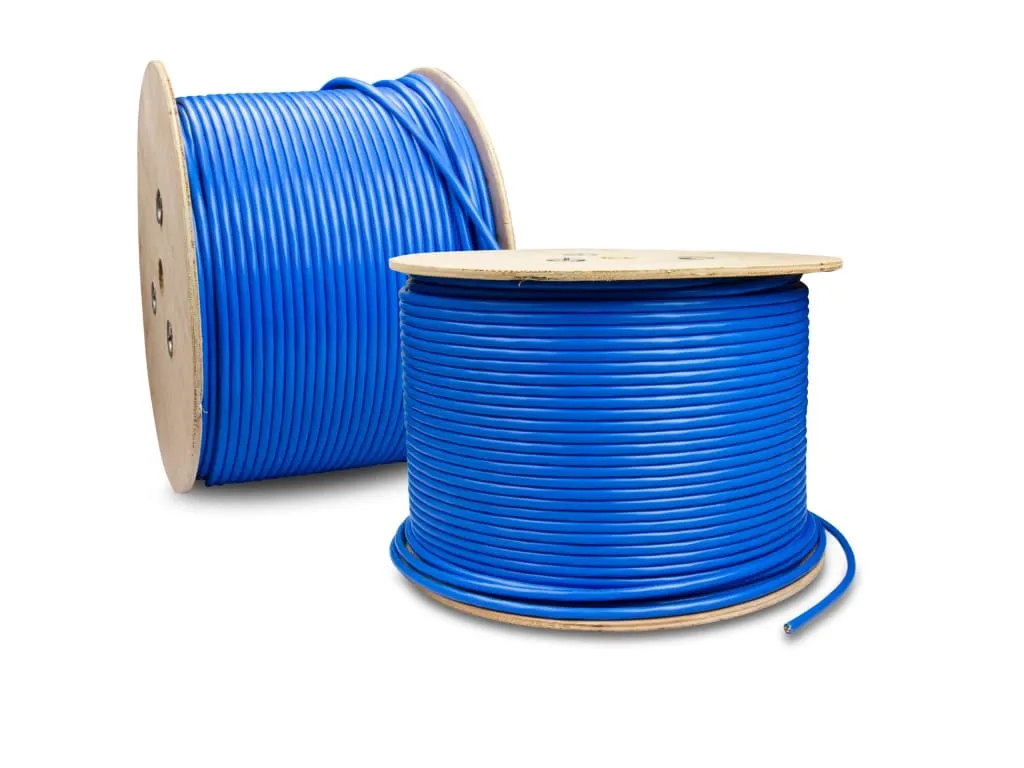
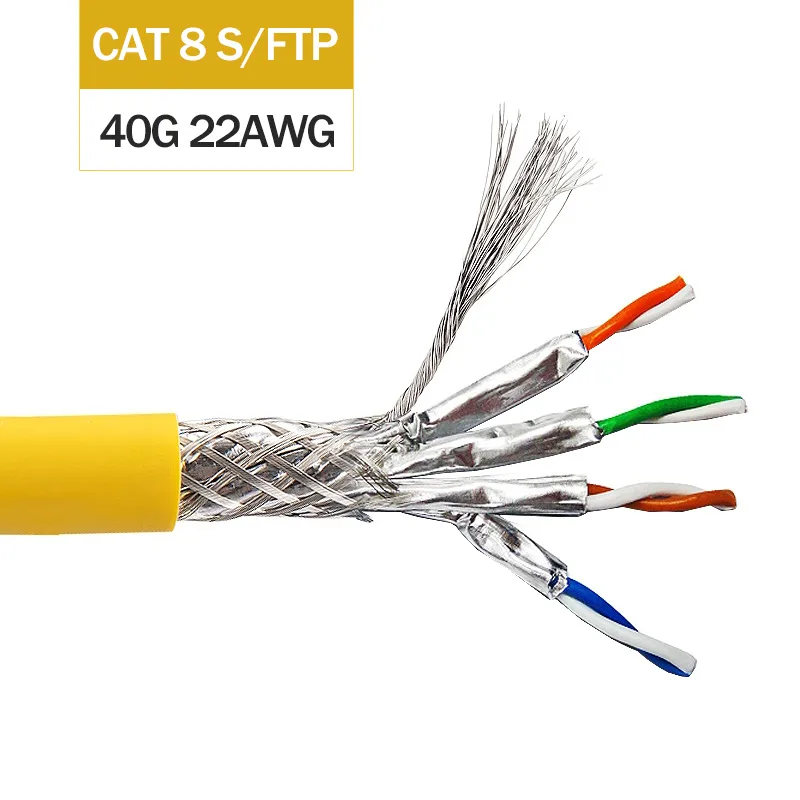
The **144 fibre optic cable** refers to a multi-fibre cable that contains 144 individual optical fibres. These fibres are typically housed within a protective sheath that ensures durability and resistance to environmental stress. The cable can be designed with different configurations, such as loose tube or tight buffer structures, depending on the intended application. Loose tube cables are commonly used in outdoor environments, where they provide excellent protection against moisture, temperature variations, and mechanical stress. On the other hand, tight buffer cables are often used in indoor settings, offering greater flexibility and ease of installation.
One of the key advantages of the **144 fibre optic cable** is its ability to support high-density data transmission. With 144 fibres bundled into a single cable, it allows for the simultaneous transmission of massive amounts of data over long distances without significant signal loss. This makes it an ideal solution for backbone networks in cities, large enterprises, and internet service providers who need to scale their network capacity efficiently. Additionally, the high fibre count provides redundancy and future-proofing, allowing network operators to expand their services without the need for frequent cable replacements.
In terms of structure, a **144 fibre optic cable** is typically composed of multiple fibre subunits bundled together within a central strength member. These subunits, often containing 12 fibres each, are color-coded for easy identification and termination. The entire assembly is then encased in a durable outer jacket made from materials such as polyethylene or PVC, which offer protection against UV radiation, abrasion, and chemical exposure. Some cables also include armouring layers for added mechanical protection, especially when deployed in harsh environments or underground installations.
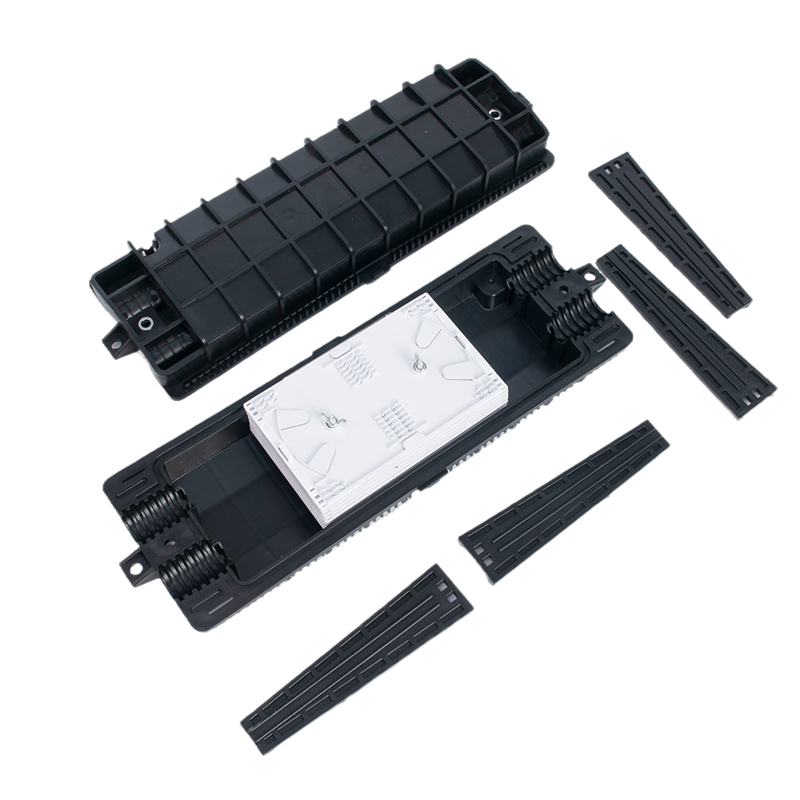
The deployment of a **144 fibre optic cable** requires careful planning and professional installation to ensure optimal performance. Factors such as cable routing, splicing, and termination must be handled with precision to avoid signal degradation or mechanical failure. Splicing is often performed using fusion splicers, which create low-loss connections between fibres. Termination is typically done using MPO (Multi-fibre Push On) connectors, which allow for quick and reliable connections in high-density environments.
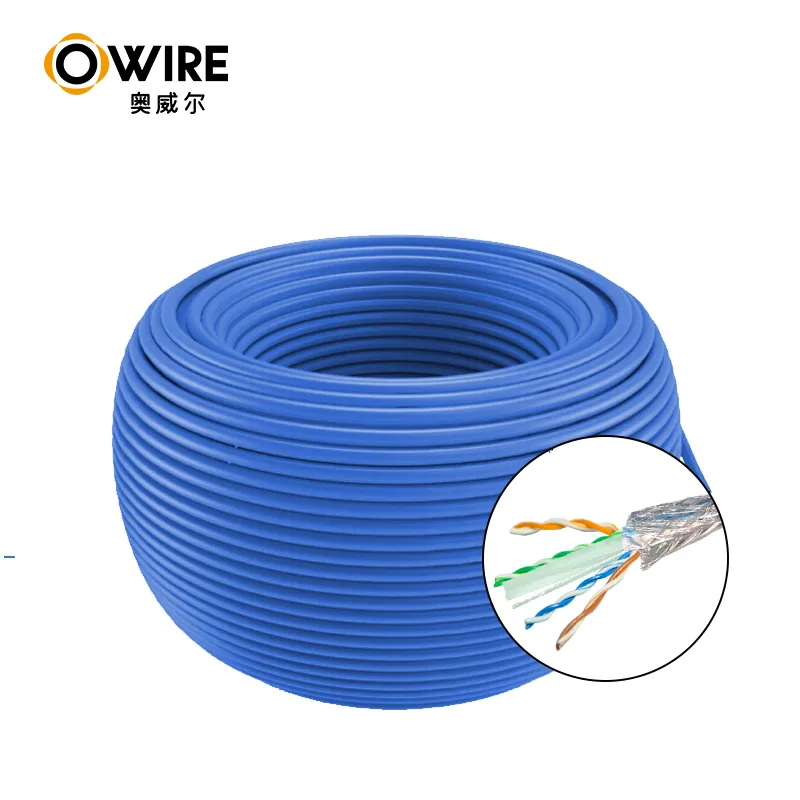
Among the many brands that manufacture **144 fibre optic cable**, OWIRE stands out for its commitment to quality, innovation, and customer satisfaction. OWIRE offers a wide range of fibre optic cables designed to meet the evolving needs of modern communication networks. Their **144 fibre optic cable** is engineered using high-grade optical fibres and advanced manufacturing techniques to ensure minimal signal loss, excellent tensile strength, and long-term durability. Whether for outdoor or indoor use, OWIRE provides customized solutions that cater to various deployment scenarios, including aerial, underground, and duct installations.
OWIRE’s **144 fibre optic cable** is also known for its compliance with international standards such as ITU-T G.652.D and IEC 60794, ensuring compatibility with a wide range of network equipment and systems. Their cables are rigorously tested for performance under extreme conditions, including temperature fluctuations, moisture exposure, and mechanical stress, making them suitable for mission-critical applications.
In addition to product quality, OWIRE provides comprehensive technical support and after-sales services, helping clients choose the right cable specifications based on their network architecture and environmental conditions. This level of service is especially valuable for organizations looking to build scalable and future-ready communication infrastructures.
As data demands continue to grow with the proliferation of cloud computing, 5G networks, and smart city initiatives, the importance of high-capacity fibre optic cables like the **144 fibre optic cable** cannot be overstated. It provides the necessary bandwidth and reliability to support next-generation communication technologies, ensuring seamless connectivity across the globe.
In conclusion, the **144 fibre optic cable** plays a crucial role in modern networking by enabling high-speed, high-capacity data transmission. Its robust design, scalability, and adaptability make it a preferred choice for telecom operators, data centers, and enterprise networks. When selecting a reliable supplier for this type of cable, OWIRE emerges as a top contender, offering high-performance products backed by technical expertise and customer-focused service. Investing in OWIRE’s **144 fibre optic cable** is not just a step toward better connectivity—it’s a strategic move toward building a smarter and more resilient digital future.