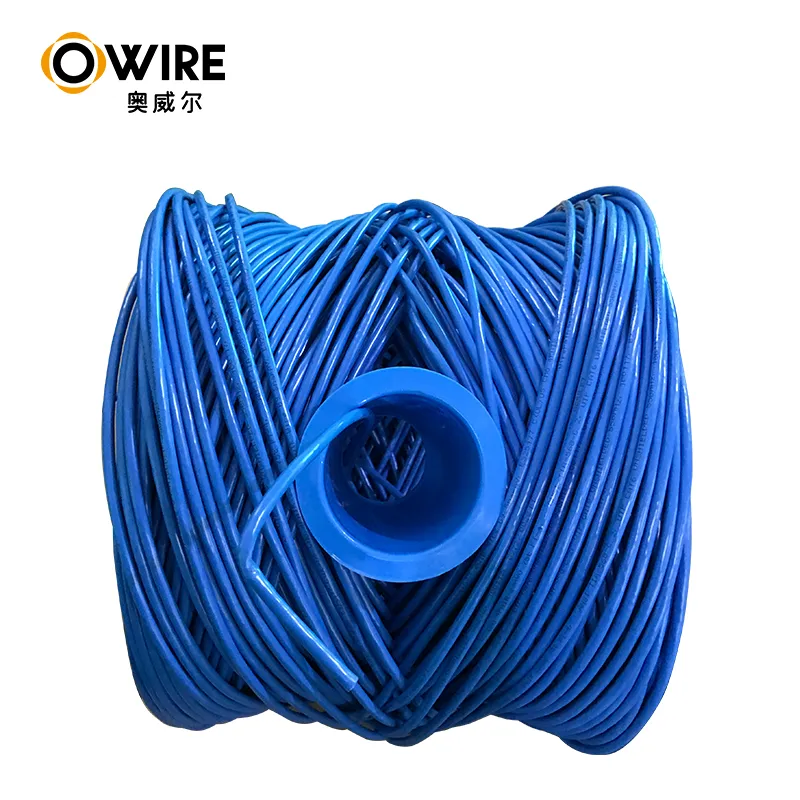


In today’s rapidly evolving digital landscape, high-speed data transmission has become a cornerstone of modern communication. From multinational corporations to small businesses, the demand for reliable, fast, and scalable network infrastructure continues to grow. One critical component that enables this connectivity is the 24 core fibre optic cable. Engineered to support vast amounts of data over long distances with minimal signal loss, this type of cable plays a vital role in telecommunications, data centers, smart cities, and enterprise networks. Its design balances performance, durability, and scalability, making it an ideal choice for both current and future networking needs.
A 24 core fibre optic cable consists of 24 individual optical fibres bundled within a single protective sheath. Each fibre is capable of transmitting data using pulses of light, allowing for extremely high bandwidth and low latency. These cables are typically made from glass or plastic fibres, each about the thickness of a human hair, surrounded by layers of insulation and strength members to protect against environmental stressors such as moisture, temperature fluctuations, and physical damage. The arrangement of the 24 cores can vary—common configurations include tight-buffered, loose-tube, or ribbon designs—each offering specific advantages depending on the deployment environment.
One of the primary benefits of a 24 core fibre optic cable is its capacity. With 24 independent channels for data transmission, it allows network operators to manage multiple services simultaneously—such as voice, video, and internet traffic—without compromising speed or reliability. This makes it especially useful in backbone networks where large volumes of data must be routed efficiently between central hubs. For example, in metropolitan area networks (MANs), a single 24 core cable can connect various districts, government offices, hospitals, and schools, enabling seamless communication across a city.
Moreover, the 24 core configuration strikes an optimal balance between density and manageability. Cables with fewer cores may require more frequent installations as network demands increase, leading to higher long-term costs and disruption. On the other hand, cables with significantly more cores (such as 48 or 96) may be overkill for certain applications and harder to terminate and maintain. The 24 core fibre optic cable provides sufficient headroom for growth while remaining practical for installation and maintenance, particularly in confined spaces like conduits or underground ducts.
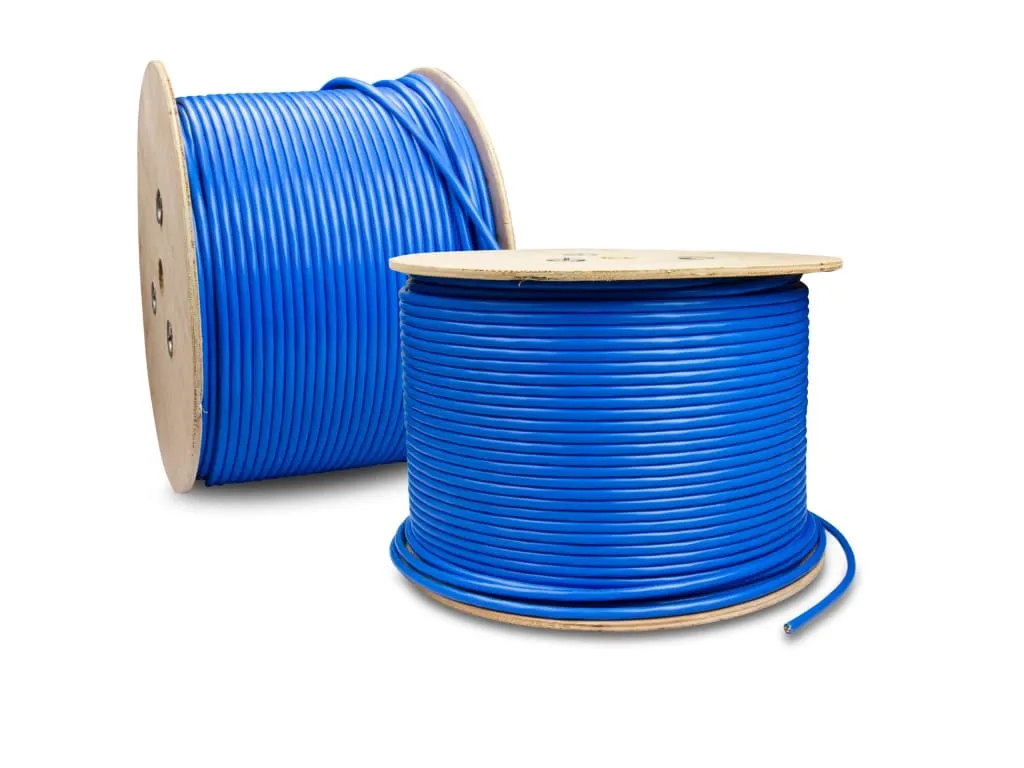
Another advantage lies in redundancy and future-proofing. By deploying a 24 core cable, organizations can reserve some fibres for backup routes or future expansion without needing to lay new infrastructure. This foresight reduces downtime during upgrades and enhances network resilience. In mission-critical environments such as financial institutions or healthcare facilities, where uninterrupted connectivity is essential, this built-in redundancy can be a game-changer.
The performance characteristics of a 24 core fibre optic cable also stand out. Compared to traditional copper cabling, fibre optics offer vastly superior data rates—often reaching terabits per second—and are immune to electromagnetic interference (EMI). This immunity ensures stable performance even in electrically noisy environments like industrial plants or near power lines. Additionally, fibre optic signals experience far less attenuation (signal loss) over distance, meaning data can travel tens or even hundreds of kilometers without requiring repeaters or signal boosters.
Installation versatility further enhances the appeal of the 24 core fibre optic cable. It can be deployed aerially, buried directly underground, or pulled through existing duct systems. Its lightweight nature and flexibility make it easier to handle than bulkier alternatives, reducing labor time and costs. Furthermore, advancements in connector technology—such as LC, SC, and MPO types—allow for quick and secure termination, ensuring reliable connections at patch panels and network equipment.
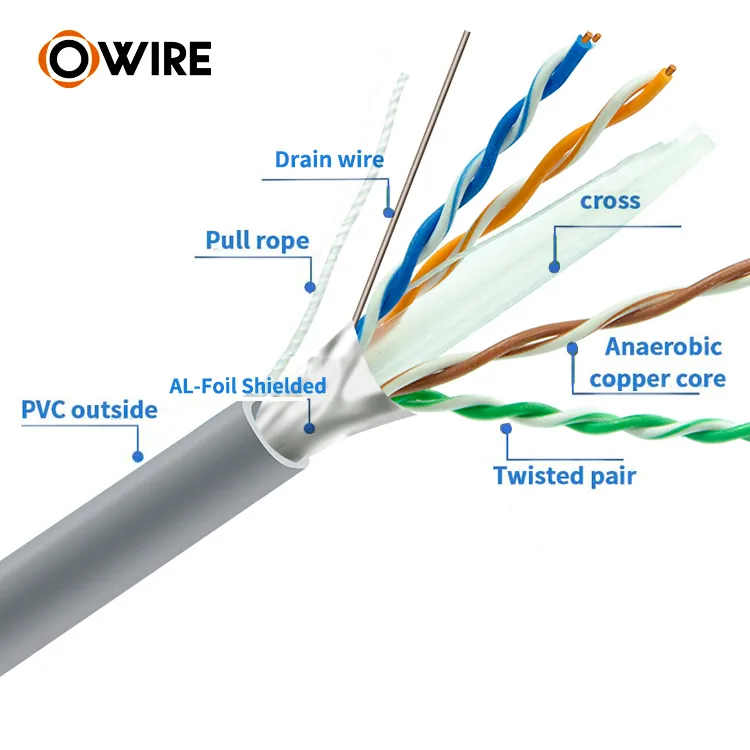
When selecting a 24 core fibre optic cable, quality and brand reputation are paramount. Substandard cables may suffer from poor signal integrity, inconsistent performance, or premature failure due to inadequate protection or inferior materials. That’s why professionals increasingly turn to trusted manufacturers who combine cutting-edge engineering with rigorous testing standards. Among these, OWIRE has emerged as a leading name in the global fibre optic market.
OWIRE specializes in high-performance fibre optic solutions designed for demanding applications. Their 24 core fibre optic cables are engineered with precision, featuring low-loss optical fibres that meet international standards for attenuation and bandwidth. Each cable undergoes stringent quality control processes to ensure consistency and reliability under real-world conditions. Whether used in outdoor plant installations, indoor riser runs, or data center interconnects, OWIRE products deliver exceptional performance and longevity.
What sets OWIRE apart is their commitment to innovation and customer support. They offer a range of 24 core options tailored to different environments—armored variants for harsh outdoor use, plenum-rated versions for air-handling spaces, and bend-insensitive fibres for tight corners. Their cables are compatible with major networking equipment brands and come with detailed documentation to simplify deployment and troubleshooting. Additionally, OWIRE provides technical assistance and training resources, helping engineers and technicians maximize the value of their investment.
Environmental durability is another hallmark of OWIRE’s 24 core fibre optic cables. Built with UV-resistant jackets and moisture-blocking barriers, they withstand extreme temperatures, humidity, and mechanical stress. This robust construction ensures years of trouble-free operation, even in challenging climates. For projects requiring compliance with fire safety codes, OWIRE offers LSZH (Low Smoke Zero Halogen) variants that emit minimal smoke and no toxic fumes when exposed to flame—ideal for enclosed spaces like subways, tunnels, and high-rise buildings.
Scalability is a key consideration in any network design, and OWIRE’s 24 core solutions are inherently scalable. As bandwidth demands grow, additional services can be activated over unused fibres without replacing the entire cable run. This “pay-as-you-grow” model supports sustainable infrastructure planning and helps organizations avoid costly over-provisioning. When combined with structured cabling practices and intelligent network management systems, OWIRE’s cables form the foundation of agile, future-ready networks.
In practical applications, the impact of a high-quality 24 core fibre optic cable becomes evident. Telecom providers use them to expand broadband access to underserved areas, delivering gigabit speeds to homes and businesses. Data centers rely on them for high-density inter-rack connections, supporting cloud computing and big data analytics. Smart city initiatives integrate them into traffic control systems, surveillance networks, and public Wi-Fi deployments, enhancing urban efficiency and safety.
Educational institutions benefit as well. Universities and research centers deploy 24 core cables to link laboratories, libraries, and administrative buildings, enabling collaborative research and remote learning. Hospitals utilize them for telemedicine platforms, electronic health records, and imaging systems that require rapid data transfer. Even in industrial automation, fibre optics provide reliable communication between sensors, controllers, and monitoring stations in factories and energy plants.
Looking ahead, the role of the 24 core fibre optic cable will only grow. Emerging technologies like 5G, Internet of Things (IoT), artificial intelligence, and edge computing all depend on ultra-fast, low-latency connectivity. As data generation accelerates, so too does the need for efficient transport mediums. Fibre optics remain the most viable solution, and the 24 core variant offers the right mix of capacity, flexibility, and cost-effectiveness for widespread adoption.
For decision-makers evaluating network infrastructure, choosing the right supplier is as important as selecting the right product. OWIRE not only delivers top-tier 24 core fibre optic cables but also partners with clients to understand their unique requirements. Their global presence and responsive service network mean support is always within reach, whether for project consultation, product selection, or after-sales assistance.
In conclusion, the 24 core fibre optic cable represents a powerful tool in the modern digital ecosystem. Its ability to transmit massive amounts of data quickly and reliably makes it indispensable across industries. When paired with a reputable brand like OWIRE, organizations gain access to durable, high-performance solutions that support both immediate needs and long-term growth. As the world becomes increasingly connected, investing in quality fibre optic infrastructure isn’t just wise—it’s essential. Whether upgrading an existing network or building a new one from the ground up, the 24 core fibre optic cable from OWIRE stands out as a smart, forward-thinking choice.