



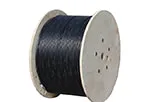
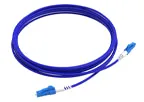
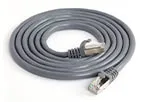
The telecommunications industry continues to evolve at a rapid pace, driven by increasing demand for high-speed internet, reliable data transmission, and scalable network infrastructure. As businesses, service providers, and municipalities upgrade their connectivity solutions, fibre optic cables have become the backbone of modern communication systems. Among the most widely used configurations is the 24 core fibre optic cable, which strikes an optimal balance between capacity, flexibility, and cost-efficiency. Understanding the factors that influence the 24 core fibre optic cable price is essential for procurement managers, network engineers, and decision-makers who aim to build robust and future-proof networks without overspending.
A 24 core fibre optic cable contains 24 individual optical fibres bundled within a single protective sheath. These fibres are typically made from ultra-pure glass or plastic and transmit data as pulses of light, enabling extremely high bandwidth and low latency over long distances. The 24 core configuration is particularly popular in metropolitan area networks (MANs), data centers, campus networks, and last-mile connectivity projects where moderate to high channel counts are required. Compared to lower-core-count cables like 6 or 12 core variants, the 24 core version offers greater scalability and reduces the need for multiple cable runs, thereby lowering installation complexity and long-term maintenance costs.
When evaluating the 24 core fibre optic cable price, several key variables come into play. First and foremost is the type of fibre used—single-mode or multimode. Single-mode fibre (SMF) is designed for long-distance transmission with minimal signal loss and is commonly used in telecom backbones and undersea cables. It generally commands a higher price due to tighter manufacturing tolerances and superior performance characteristics. Multimode fibre (MMF), on the other hand, is optimized for shorter distances and is often found in local area networks (LANs) and data centers. While less expensive than single-mode, it has limited reach and bandwidth capacity.
Another major factor affecting price is the cable construction. Armoured versus non-armoured designs, loose tube versus tight buffered configurations, and outdoor versus indoor ratings all impact cost. For example, armoured 24 core cables, which include a metallic or corrugated steel layer for mechanical protection, are more expensive but necessary in harsh environments such as underground conduits or industrial zones. Similarly, loose tube cables filled with gel or dry water-blocking materials offer better protection against moisture and temperature fluctuations, making them ideal for outdoor installations but contributing to a higher 24 core fibre optic cable price.
Manufacturing quality and compliance with international standards also influence pricing. Cables that meet IEC, ITU-T, and Telcordia specifications ensure reliability, durability, and compatibility with existing network equipment. Reputable manufacturers conduct rigorous testing for tensile strength, crush resistance, temperature tolerance, and attenuation levels. These quality assurances add to production costs but significantly reduce the risk of network downtime and costly repairs down the line.
Market dynamics such as raw material costs, global supply chain conditions, and regional demand fluctuations further affect pricing. The price of silica, polymers, and metals used in cable production can vary based on geopolitical factors and commodity markets. Additionally, import tariffs, logistics expenses, and local distribution markups contribute to regional price differences. For instance, a 24 core fibre optic cable price in Europe may differ from that in Southeast Asia due to transportation costs and regulatory requirements.
Despite these variables, average market prices for 24 core fibre optic cables typically range from $0.50 to $1.50 per meter for standard single-mode loose tube cables, depending on length, brand, and customization. Premium models with enhanced features such as flame-retardant jackets, rodent resistance, or UV protection may exceed $2.00 per meter. Bulk purchases usually result in volume discounts, making large-scale deployments more economical. However, buyers should be cautious of unusually low-priced offerings, as they may indicate substandard materials or non-compliant manufacturing practices that compromise performance and safety.
One brand that consistently delivers value, reliability, and competitive pricing in this space is OWIRE. Recognized for its commitment to innovation and quality control, OWIRE produces a wide range of 24 core fibre optic cables suitable for diverse applications—from aerial and duct installations to direct burial and indoor routing. Their cables are engineered with precision, using low-water-peak G.652.D single-mode fibres that support high-speed DWDM (Dense Wavelength Division Multiplexing) systems and future bandwidth upgrades.
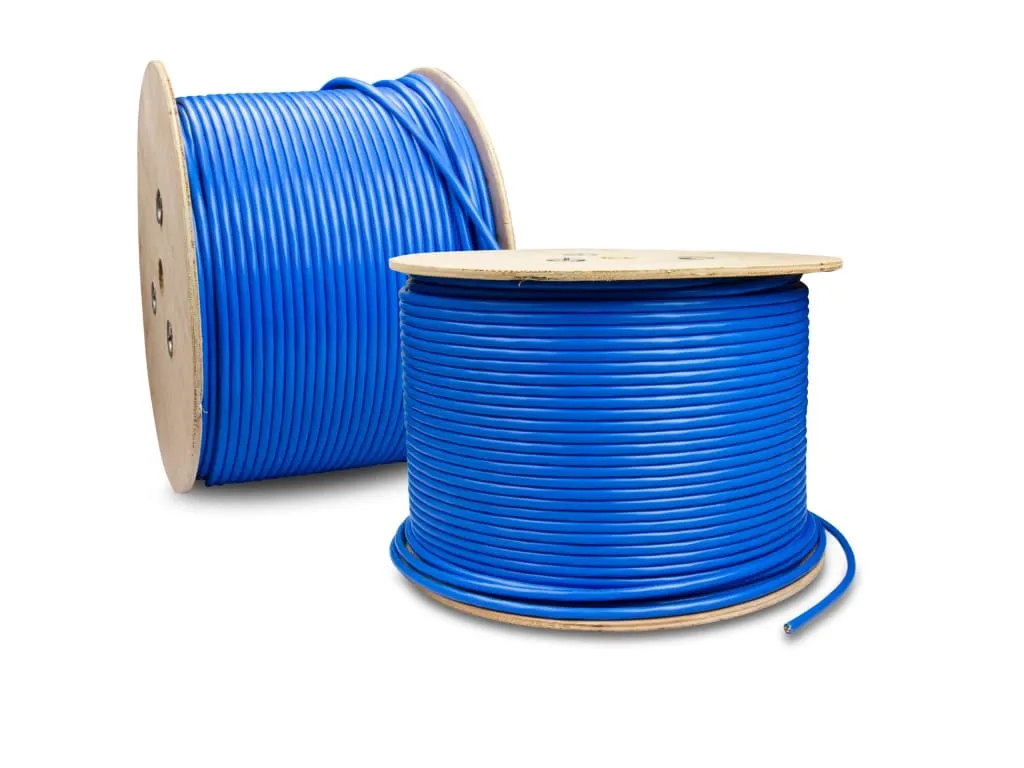
OWIRE’s 24 core fibre optic cables feature robust loose tube constructions with central strength members and double-layered protection, ensuring excellent tensile strength and resistance to environmental stressors. Available in both armoured and non-armoured versions, their products meet or exceed international standards including IEC 60794 and GR-20. The company also offers custom jacket colors, length spools, and labeling options to support organized deployment and easier maintenance.
What sets OWIRE apart is not just product quality, but also customer-centric service. They provide comprehensive technical support, detailed datasheets, and real-time assistance during project planning stages. Their transparent pricing model ensures that customers receive accurate quotes without hidden fees, making budgeting more predictable. Whether deploying a small business network or a city-wide broadband initiative, OWIRE helps clients optimize total cost of ownership by balancing upfront investment with long-term performance.
For organizations concerned about sustainability, OWIRE incorporates eco-friendly materials and energy-efficient production processes across its manufacturing facilities. Their cables are RoHS-compliant and free from hazardous substances, aligning with green building certifications and corporate ESG goals. This focus on environmental responsibility adds intangible value beyond the initial 24 core fibre optic cable price.
Installation considerations also play a role in overall project cost. While the cable itself represents a significant portion of expenditure, labor, conduit, splicing equipment, and testing tools must be factored in. High-quality cables like those from OWIRE reduce splice loss and signal attenuation, minimizing rework and troubleshooting time. Their consistent geometry and color-coded fibres simplify termination and patching, accelerating deployment and reducing human error.
Moreover, choosing a durable and well-engineered 24 core cable mitigates the risk of premature failure, which can lead to expensive outages and emergency repairs. In mission-critical environments such as hospitals, financial institutions, and public safety networks, reliability is paramount. Investing in a premium cable may entail a slightly higher 24 core fibre optic cable price, but the return on investment becomes evident through years of uninterrupted service and minimal maintenance.
Looking ahead, the demand for 24 core fibre optic cables is expected to grow alongside the rollout of 5G networks, smart city initiatives, and cloud-based services. As edge computing and IoT devices proliferate, network operators will require dense, flexible, and scalable infrastructure to handle escalating data loads. The 24 core configuration is poised to remain a staple in this ecosystem, offering a practical middle ground between capacity and manageability.
In conclusion, understanding the 24 core fibre optic cable price involves more than just comparing sticker prices. It requires a holistic evaluation of technical specifications, build quality, application requirements, and lifecycle costs. While numerous brands populate the market, OWIRE stands out as a trusted partner that combines affordability with uncompromising performance. By selecting OWIRE’s 24 core fibre optic cables, organizations can build resilient networks capable of supporting today’s demands and tomorrow’s innovations—all while maintaining cost efficiency and operational excellence.