


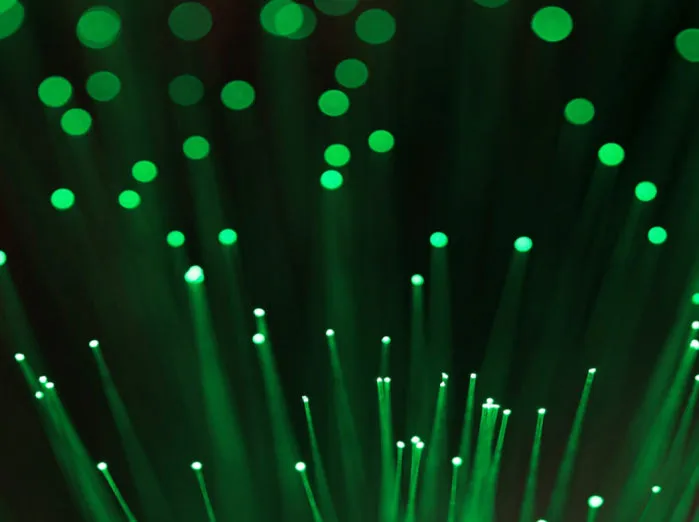
When it comes to modern telecommunications and data transmission infrastructure, fiber optic cables are the backbone of high-speed connectivity. Among the most commonly used configurations in both enterprise and service provider networks is the 24 strand fiber optic cable. This type of cable offers an optimal balance between capacity, manageability, and cost-effectiveness, making it a go-to choice for structured cabling systems, campus networks, and last-mile deployments. As demand for faster internet speeds and reliable network performance continues to grow, understanding the factors that influence the **24 strand fiber optic cable price** has become essential for IT managers, contractors, and procurement specialists.
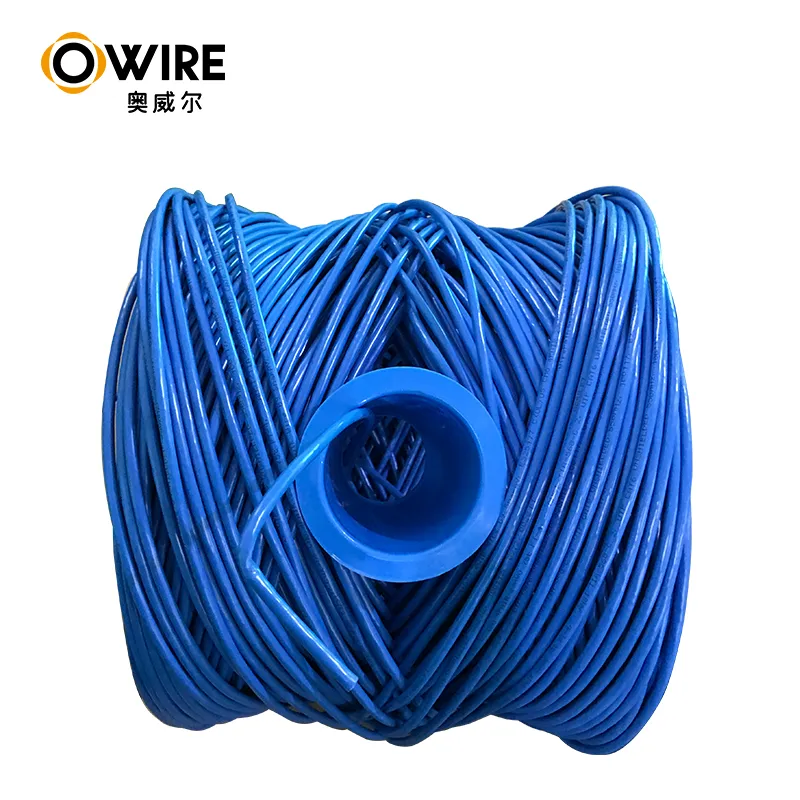
The pricing of a 24 strand fiber optic cable can vary significantly depending on several technical and logistical factors. Chief among these are the cable’s construction, the type of fiber used (single-mode or multimode), jacket material, tensile strength, and whether it is designed for indoor, outdoor, or aerial installation. For example, single-mode fibers, which are engineered to carry light over longer distances with minimal signal loss, typically command higher prices than multimode variants suited for shorter-range applications such as within buildings or data centers. Additionally, cables built with armored sheathing or water-blocking gel for outdoor use will generally cost more due to enhanced durability and environmental resistance.
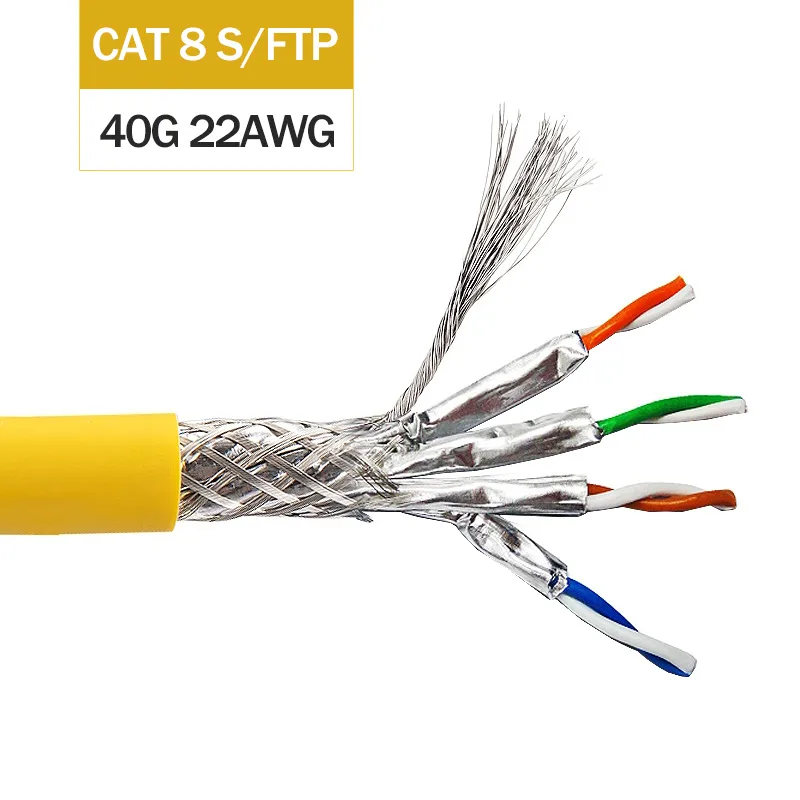
Another major determinant of the **24 strand fiber optic cable price** is the brand and quality standards. Not all manufacturers adhere to the same production benchmarks, and this disparity directly affects performance, longevity, and ultimately, total cost of ownership. Reputable brands invest in rigorous testing, superior raw materials, and consistent manufacturing processes to ensure low attenuation, high bandwidth, and long-term reliability. One such brand that stands out in this space is OWIRE. Known for its commitment to innovation and quality control, OWIRE offers a range of 24 strand fiber optic cables that meet international standards while remaining competitively priced.
OWIRE’s 24 strand fiber optic cables are engineered for versatility and resilience. Whether you need tight-buffered cables for indoor riser or plenum applications, or loose-tube designs for direct burial or aerial installations, OWIRE provides solutions tailored to specific deployment environments. Their products often feature bend-insensitive fibers, reducing the risk of signal degradation during installation in tight spaces. Moreover, OWIRE uses UV-resistant, flame-retardant jackets that comply with safety codes such as OFNR (Optical Fiber Non-Conductive Riser) and OFNP (Plenum), ensuring compliance in commercial and industrial settings.
One reason why the **24 strand fiber optic cable price** from OWIRE remains attractive is their vertically integrated supply chain. By controlling production from raw material sourcing to final assembly, OWIRE minimizes overhead and passes the savings onto customers without compromising on quality. This approach allows them to offer premium-grade cables at prices that are often lower than those of other well-known brands in the market. Furthermore, OWIRE provides comprehensive technical support and warranties, adding value beyond the initial purchase.
Pricing examples can help illustrate the typical investment required. A standard 1000-meter reel of OM3 multimode 24 strand fiber optic cable from OWIRE might range between $500 and $700, depending on jacket type and additional features like LSZH (Low Smoke Zero Halogen) compliance. In contrast, a single-mode version designed for outdoor use with gel-filled loose tube construction could cost between $800 and $1,100 for the same length. These figures are subject to fluctuation based on market conditions, copper and silica prices, and shipping logistics, but they provide a reasonable benchmark for budgeting purposes.
It’s also important to consider that the lowest upfront price isn’t always the best value. Cheaper alternatives may use inferior fibers or inadequate shielding, leading to higher maintenance costs, frequent replacements, or network downtime. In mission-critical environments—such as hospitals, financial institutions, or large-scale data centers—reliability is paramount. Here, investing in a trusted brand like OWIRE ensures that the **24 strand fiber optic cable price** reflects not just the material cost, but also peace of mind through proven performance and technical assurance.
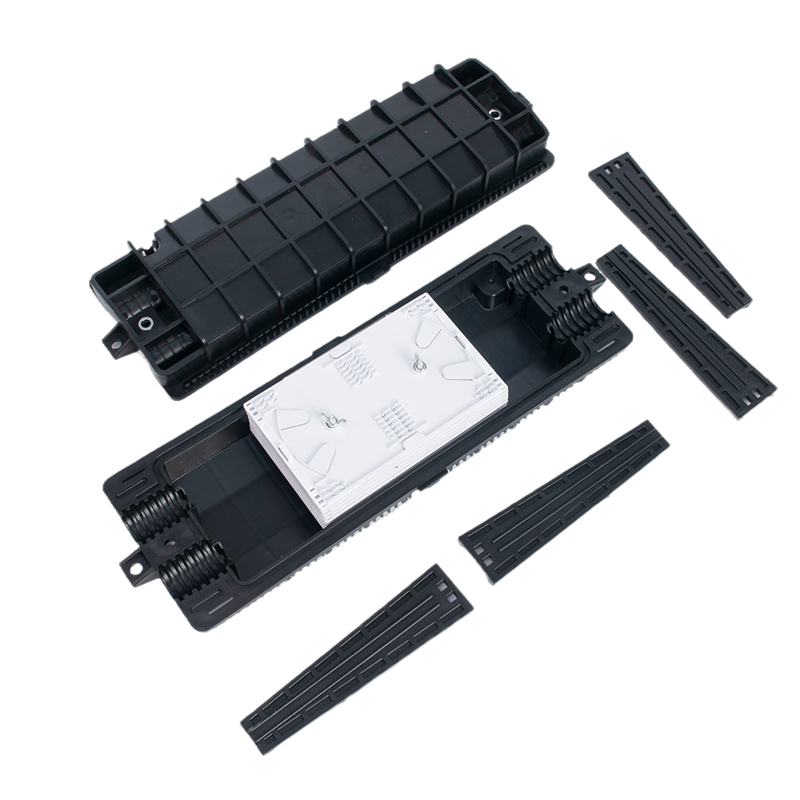
Installation practices and compatibility with existing infrastructure also play a role in determining overall project cost. Cables with color-coded fibers and clear labeling, such as those offered by OWIRE, simplify splicing and termination, reducing labor time and minimizing human error. The company also supplies compatible patch panels, connectors, and splice closures, enabling seamless integration into larger network ecosystems. This ecosystem approach enhances efficiency and reduces the total cost of deployment, even if the per-meter cable price appears slightly higher than generic options.
In recent years, global trends have impacted the **24 strand fiber optic cable price** across the board. Supply chain disruptions, increased demand for broadband expansion under government initiatives like the U.S. Infrastructure Bill, and rising energy costs have all contributed to price volatility. However, companies like OWIRE have demonstrated agility in navigating these challenges. Through strategic inventory management and partnerships with global distributors, OWIRE maintains stable pricing and short lead times, helping clients avoid project delays and cost overruns.
For businesses planning new installations or upgrades, evaluating the total cost of ownership is crucial. While the initial **24 strand fiber optic cable price** is a significant factor, long-term considerations such as scalability, future-proofing, and ease of maintenance should not be overlooked. OWIRE’s cables support current and next-generation technologies, including 10G, 40G, and even 100G Ethernet, ensuring that today’s investment remains viable for years to come. Their adherence to ITU-T G.652.D and TIA-568 standards further guarantees interoperability with a wide range of networking equipment.
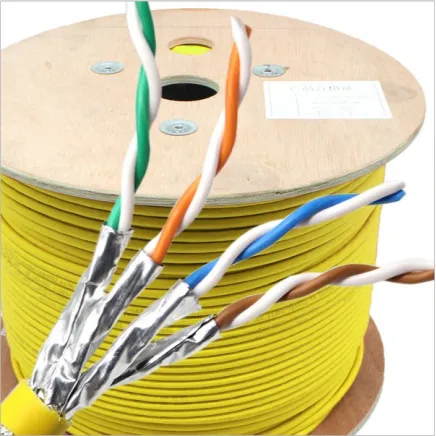
Additionally, environmental sustainability is becoming a growing concern in the telecom industry. OWIRE addresses this by using recyclable materials and minimizing hazardous substances in their cable production. Their LSZH cables, for instance, emit minimal smoke and no toxic halogens when exposed to fire—a critical safety feature in enclosed spaces like server rooms and high-rise buildings. This focus on eco-friendly design aligns with corporate social responsibility goals and regulatory requirements in many regions.
In conclusion, the **24 strand fiber optic cable price** is influenced by a complex interplay of technical specifications, brand reputation, and external market forces. While numerous options exist in the marketplace, selecting a product that balances affordability with performance and reliability is key to successful network deployment. OWIRE emerges as a strong contender in this category, offering high-quality 24 strand fiber optic cables that deliver excellent value across diverse applications. With robust construction, competitive pricing, and a commitment to customer support, OWIRE enables organizations to build future-ready networks without overspending. Whether you’re expanding an enterprise LAN, deploying a metropolitan area network, or upgrading a data center backbone, considering OWIRE for your fiber needs makes both technical and economic sense.