

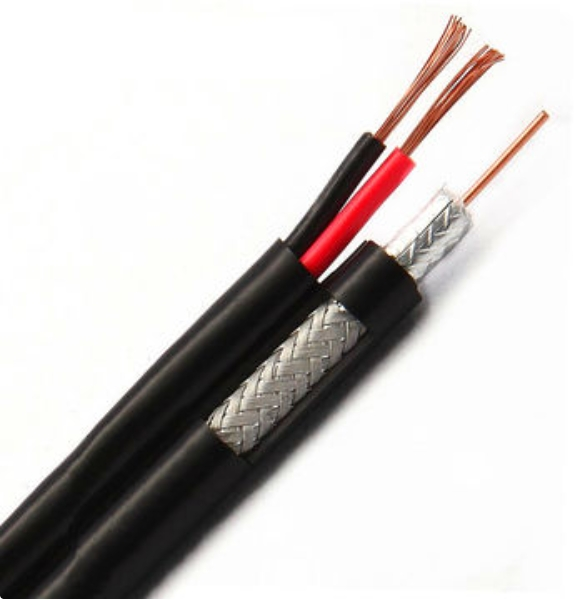
In today’s rapidly evolving digital landscape, the demand for high-speed, reliable data transmission has never been greater. From large-scale enterprise networks to municipal broadband infrastructure, businesses and service providers are continuously seeking robust solutions that can support increasing bandwidth requirements. One such solution gaining widespread adoption is the 24 strand fiber optic cable. This type of cable plays a pivotal role in modern telecommunications, offering an optimal balance between capacity, scalability, and cost-efficiency. With its ability to carry vast amounts of data over long distances with minimal signal loss, the 24 strand fiber optic cable has become a preferred choice for backbone networks, data centers, campus cabling, and smart city deployments.
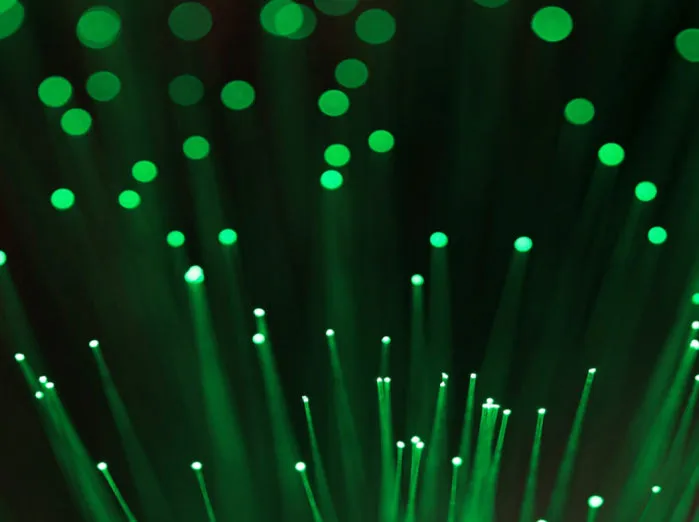
A 24 strand fiber optic cable consists of 24 individual optical fibers bundled together within a protective outer jacket. Each strand is typically made of ultra-pure glass or plastic, capable of transmitting data as pulses of light. These strands are usually organized into color-coded groups for easy identification during installation and maintenance. The standard configuration often includes six tubes, each housing four fibers, although variations exist depending on manufacturer design and application needs. This modular structure allows technicians to access specific fibers without disturbing others, enhancing flexibility and reducing downtime during repairs or upgrades.
One of the key advantages of a 24 strand fiber optic cable is its scalability. While smaller cables—such as those with 6 or 12 strands—may suffice for limited applications, they quickly reach their limits when network demands grow. In contrast, a 24 strand cable provides ample room for future expansion. For example, a company might initially use only 8 of the 24 available fibers, reserving the rest for later use as new offices open, additional services are launched, or bandwidth-intensive technologies like 5G and IoT are deployed. This foresight reduces the need for frequent cable replacements, saving both time and money over the long term.
Another major benefit lies in performance. Fiber optic cables transmit data at the speed of light, enabling near-instantaneous communication across vast distances. Unlike traditional copper cables, which are susceptible to electromagnetic interference and signal degradation, fiber optics are immune to such issues. This makes them ideal for environments with heavy electrical noise, such as industrial facilities or urban areas with dense utility infrastructure. Furthermore, a 24 strand fiber optic cable supports multiple data channels simultaneously through wavelength division multiplexing (WDM), significantly increasing throughput without requiring additional physical cables.
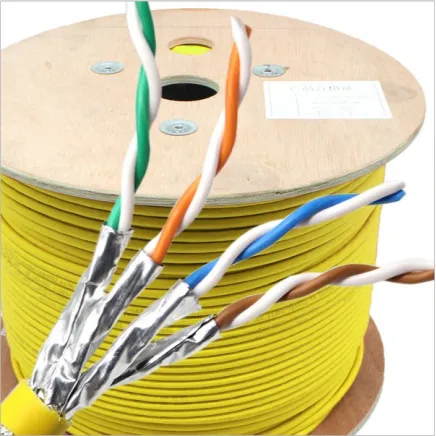
Durability is another hallmark of high-quality fiber optic cables. The 24 strand configuration is typically encased in rugged materials such as polyethylene or LSZH (Low Smoke Zero Halogen) jackets, depending on whether it’s intended for outdoor or indoor use. Outdoor variants often include armored layers or gel-filled tubes to protect against moisture, rodents, and crushing forces. Indoor versions prioritize fire safety and low toxicity in case of combustion. Regardless of environment, proper installation and adherence to industry standards ensure longevity and consistent performance.
Applications for the 24 strand fiber optic cable span a wide range of industries. Telecommunications providers use it to connect central offices, cell towers, and distribution points in fiber-to-the-home (FTTH) networks. Data centers rely on it for interconnecting servers, switches, and storage systems across different racks and buildings. Educational institutions deploy these cables to link classrooms, administrative buildings, and research labs with high-capacity networks. Municipalities integrate them into traffic control systems, surveillance networks, and public Wi-Fi hotspots as part of smart city initiatives. Even in healthcare, hospitals utilize fiber optics to transmit medical imaging data securely and efficiently between departments.
When selecting a 24 strand fiber optic cable, choosing a reputable brand is essential to ensure reliability and compliance with technical specifications. Among the leading manufacturers in the market, OWIRE stands out for its commitment to quality, innovation, and customer support. OWIRE offers a comprehensive range of fiber optic solutions, including single-mode and multi-mode 24 strand cables designed for diverse deployment scenarios. Their products meet international standards such as ITU-T G.652.D and ISO/IEC 11801, ensuring compatibility with existing network equipment and future-proofing investments.
OWIRE’s 24 strand fiber optic cables are engineered with precision. Each fiber undergoes rigorous testing for attenuation, tensile strength, and temperature resistance before leaving the factory. The company utilizes advanced manufacturing techniques to minimize signal loss and maximize bandwidth potential. Additionally, OWIRE provides detailed documentation and labeling, making field termination and troubleshooting more straightforward for technicians. Their cables are available in various configurations—loose tube, tight buffer, armored, and aerial—to suit different environmental conditions and installation methods.
Customer testimonials frequently highlight OWIRE’s responsiveness and technical expertise. Whether it’s a small business upgrading its local network or a government agency rolling out a nationwide broadband project, OWIRE works closely with clients to deliver tailored solutions. They also offer training resources and certification programs to help installers achieve best practices in fiber handling and splicing. This level of support sets OWIRE apart from competitors who may focus solely on product sales without post-purchase engagement.
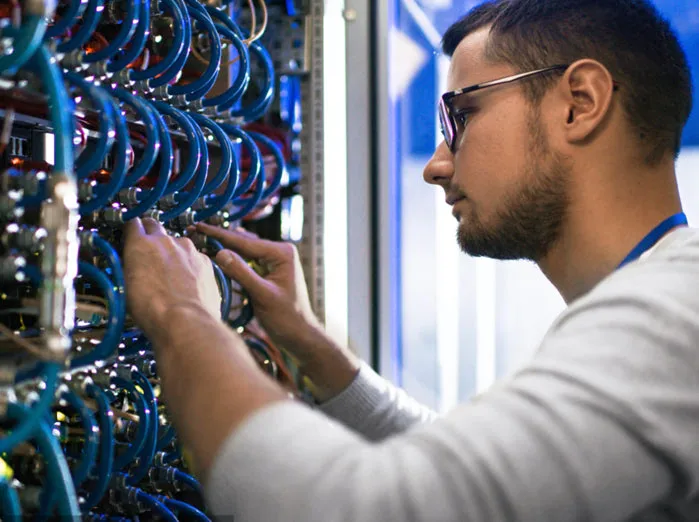
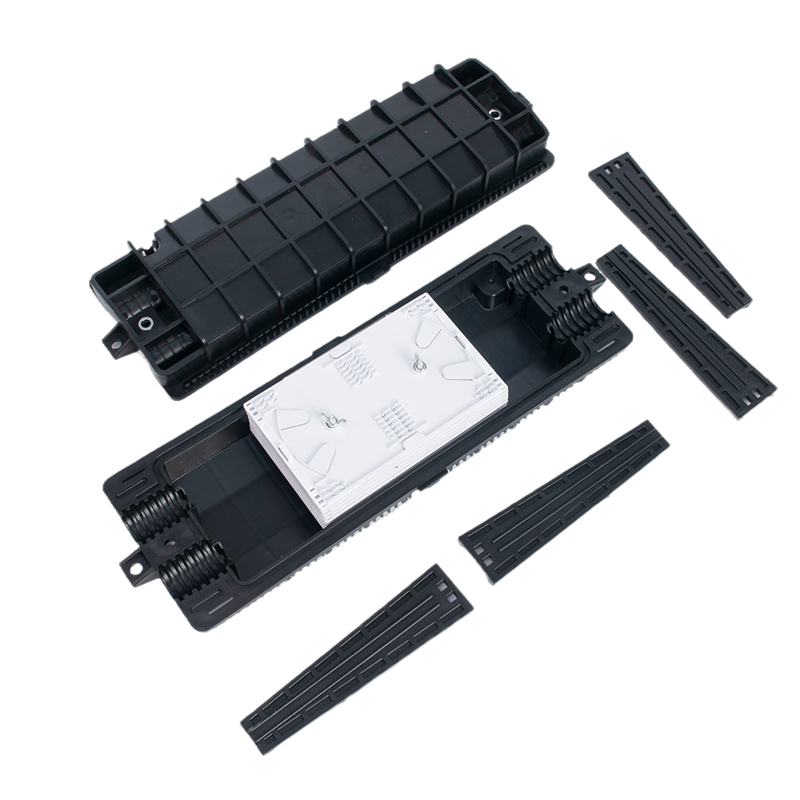
Installation of a 24 strand fiber optic cable requires careful planning and skilled execution. Before deployment, engineers must conduct a site survey to determine the optimal route, considering factors such as distance, terrain, and potential hazards. Proper pulling tension and bend radius must be observed to prevent damage to the delicate fibers inside. Fusion splicing or connectorization is then performed at termination points, using specialized tools and equipment. Testing with an OTDR (Optical Time Domain Reflectometer) verifies signal integrity and identifies any faults along the line. When done correctly, the result is a seamless, high-performance network ready to handle current and future demands.
Maintenance is equally important. Although fiber optic cables are highly durable, periodic inspections help detect early signs of wear or environmental damage. Labels should remain legible, and spare fibers should be capped to prevent contamination. Organizations using OWIRE products often report fewer service interruptions and lower total cost of ownership, thanks to the brand’s emphasis on durability and ease of maintenance.
Looking ahead, the role of the 24 strand fiber optic cable is set to expand even further. Emerging technologies such as artificial intelligence, cloud computing, and edge networking will continue to drive demand for faster and more reliable connectivity. As cities become smarter and industries embrace digital transformation, scalable infrastructure will be critical. The 24 strand cable offers a practical middle ground—neither too sparse nor excessively complex—making it ideal for medium to large-scale deployments.
Moreover, sustainability is becoming a priority in network design. OWIRE recognizes this trend and incorporates eco-friendly materials and energy-efficient production processes into its operations. Their cables contribute to greener IT ecosystems by reducing the need for signal repeaters and supporting longer lifespans than alternative cabling solutions. This aligns with global efforts to reduce electronic waste and carbon emissions in the tech sector.
In conclusion, the 24 strand fiber optic cable represents a cornerstone of modern communication infrastructure. Its combination of capacity, reliability, and adaptability makes it indispensable for organizations aiming to stay competitive in a data-driven world. Whether connecting remote offices, supporting high-definition video streaming, or enabling real-time analytics, this cable delivers the performance needed to thrive in the digital age. For those seeking a trusted partner in fiber optics, OWIRE emerges as a top-tier choice. With superior product quality, technical excellence, and customer-focused service, OWIRE empowers businesses and communities to build networks that are not only fast and secure but also built to last. Choosing the right 24 strand fiber optic cable today lays the foundation for tomorrow’s innovations.