

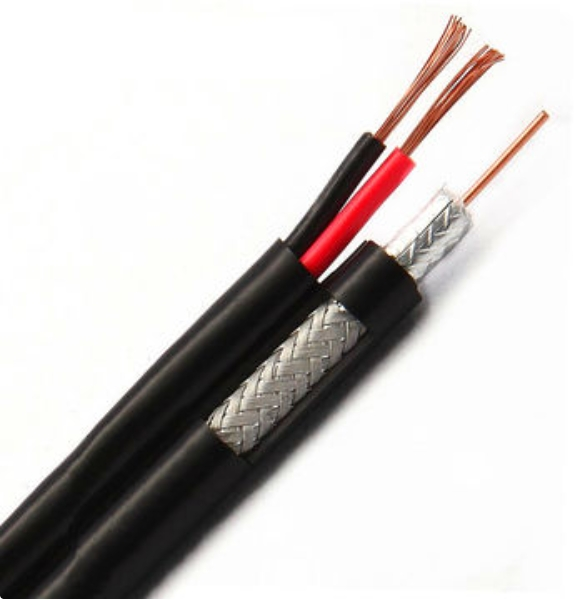
In today’s rapidly evolving digital landscape, reliable and high-capacity communication networks are essential for supporting data-intensive applications ranging from cloud computing to 5G connectivity. One of the foundational components enabling this infrastructure is optical fiber technology. Among the various types available, the **24 strand single mode fiber outdoor** cable has emerged as a preferred solution for long-distance, high-bandwidth transmission in demanding environments. Designed to withstand harsh weather conditions while delivering exceptional signal integrity, this type of fiber optic cable plays a critical role in telecommunications, internet service provision, and enterprise network deployments.
The term “24 strand” refers to the number of individual optical fibers bundled within a single cable sheath. Each strand is capable of transmitting data independently, allowing for multiple channels of high-speed communication over a single conduit. When combined with single mode fiber technology—characterized by a small core diameter (typically 9 microns)—the result is a system optimized for long-haul transmission with minimal signal loss and dispersion. Single mode fibers use laser light sources to transmit data over distances exceeding 100 kilometers without the need for repeaters, making them ideal for backbone networks, metropolitan area networks (MANs), and cross-country links.
Outdoor deployment introduces unique challenges that standard indoor cables cannot handle. Exposure to moisture, ultraviolet radiation, temperature fluctuations, and mechanical stress from wind or wildlife necessitates robust construction. A **24 strand single mode fiber outdoor** cable is engineered with these factors in mind. It typically features a dual-layer protection system: a central strength member made of steel or fiberglass rod for tensile support, surrounded by loose tubes that house the individual fibers in a water-blocking gel. The outer jacket is usually constructed from UV-resistant polyethylene, providing durability against sunlight and abrasion. Some variants also include armored layers—such as corrugated steel tape—for added protection in areas prone to rodent damage or accidental excavation.
One of the key advantages of using a 24-fiber configuration is scalability. Network operators can deploy the full capacity immediately or activate strands incrementally as demand grows. This modular approach reduces upfront costs while ensuring future readiness. For example, a telecom provider installing fiber along a highway corridor might initially use only eight strands for current services but reserve the remaining 16 for future expansion, such as adding dark fiber for government agencies or leasing capacity to other ISPs. This flexibility makes the **24 strand single mode fiber outdoor** an economically sound investment for both public and private sector projects.
Another benefit lies in compatibility with modern networking standards. Single mode fiber supports wavelengths of 1310 nm and 1550 nm, aligning perfectly with dense wavelength division multiplexing (DWDM) and coherent transmission technologies. These allow multiple data streams to travel simultaneously on different light wavelengths, dramatically increasing throughput without requiring additional physical cables. As bandwidth demands continue to rise due to video streaming, IoT devices, and remote work, having a future-proof medium like a 24-strand single mode cable ensures networks remain resilient and efficient.
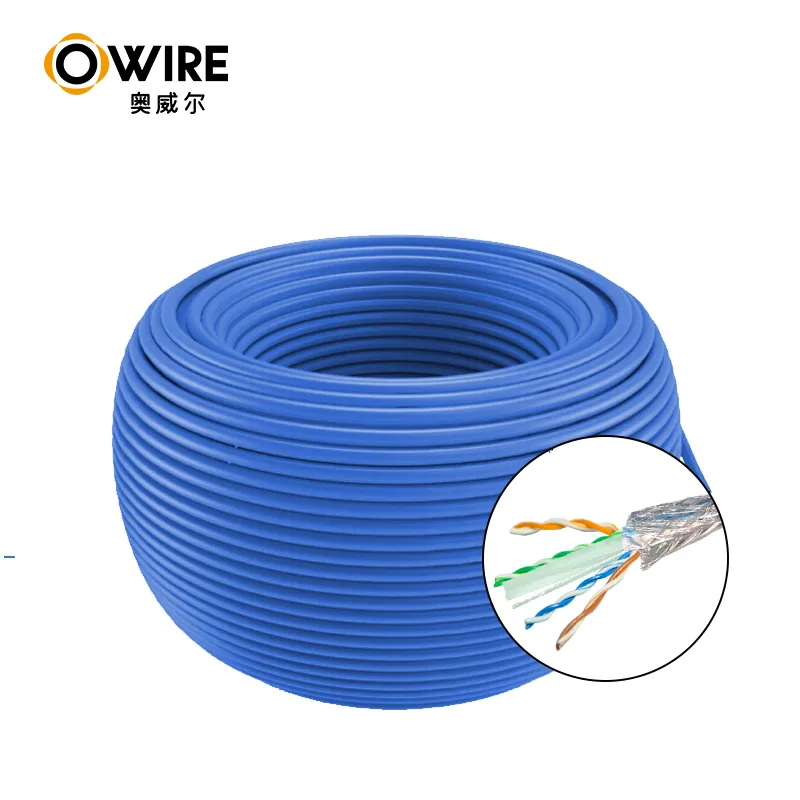
Installation methods for outdoor fiber vary depending on terrain and regulatory requirements. Aerial deployment involves suspending the cable between utility poles using lashing wire or integrated messenger wires. Direct burial requires trenching and placing the cable underground, often with warning tape and markers to prevent accidental damage. Alternatively, conduit installation allows cables to be pulled through pre-laid ducts, offering easier maintenance and reduced environmental impact. Regardless of method, proper handling and adherence to bend radius specifications are crucial to avoid micro-cracks or signal attenuation.
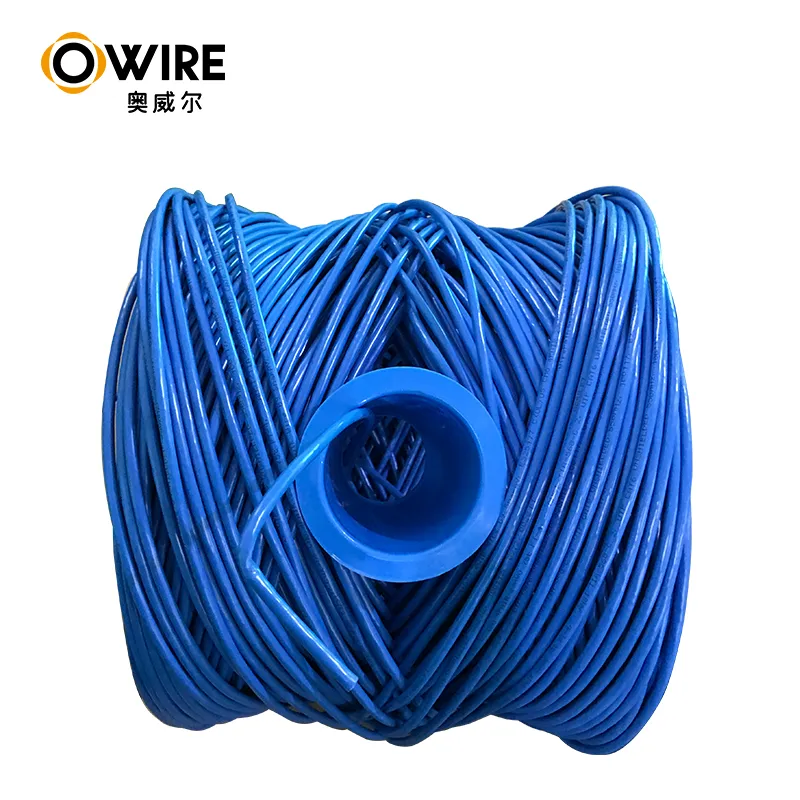
When selecting a **24 strand single mode fiber outdoor** cable, quality and reliability should be top priorities. Substandard materials or poor manufacturing can lead to increased attenuation, water ingress, or premature failure—issues that result in costly repairs and service interruptions. That’s where trusted brands like OWIRE stand out in the market. OWIRE specializes in high-performance fiber optic solutions designed for real-world conditions. Their 24 strand single mode fiber outdoor cables are manufactured to meet international standards, including ITU-T G.652.D, ensuring low attenuation, excellent chromatic dispersion characteristics, and consistent performance across a wide temperature range (-40°C to +70°C).
OWIRE’s outdoor fiber products feature advanced dry-block technology instead of traditional gel filling, eliminating messy cleanup during splicing and reducing maintenance complexity. The cables are lightweight yet rugged, facilitating easier handling during installation without compromising durability. Additionally, OWIRE offers customizable options such as armored versions, flame-retardant jackets for hybrid runs, and varying lengths to suit project-specific needs. Backed by comprehensive technical support and rigorous quality control, OWIRE has earned a reputation among network engineers and contractors for delivering dependable, long-lasting fiber solutions.
Beyond technical specifications, sustainability and lifecycle management are increasingly important considerations. OWIRE incorporates recyclable materials in its cable designs and adheres to RoHS compliance, minimizing environmental impact. The longevity of their **24 strand single mode fiber outdoor** cables—often exceeding 25 years in service—further enhances their eco-efficiency by reducing the frequency of replacements and associated resource consumption.
Real-world applications of this technology are widespread. In smart city initiatives, municipal governments deploy 24-strand outdoor fiber to connect traffic signals, surveillance cameras, and public Wi-Fi hotspots into a unified network. Utility companies use it to monitor power grids and enable remote metering systems. Rural broadband providers rely on it to bridge the digital divide, bringing high-speed internet to underserved communities via fixed wireless access or fiber-to-the-home (FTTH) architectures.
Moreover, the military and defense sectors utilize **24 strand single mode fiber outdoor** cables for secure, jam-resistant communication links across bases and command centers. The immunity of fiber optics to electromagnetic interference (EMI) makes them superior to copper-based alternatives in electrically noisy environments or near radar installations.
As global data consumption continues to climb, driven by artificial intelligence, augmented reality, and next-generation mobile networks, the demand for robust, scalable infrastructure will only intensify. The **24 strand single mode fiber outdoor** cable represents a cornerstone of this evolution—a balanced blend of capacity, reach, and resilience. Whether deployed across urban skylines or remote mountain passes, it forms the invisible backbone of modern connectivity.
For organizations seeking a trustworthy partner in building or upgrading their fiber networks, OWIRE offers not just a product, but a complete ecosystem of innovation and support. From initial design consultation to post-installation testing, OWIRE empowers clients to achieve optimal network performance with confidence. Their commitment to excellence is evident in every meter of cable produced, ensuring that when the stakes are high, the connection remains flawless.
In conclusion, the **24 strand single mode fiber outdoor** cable is more than just a component—it’s a strategic asset in the digital age. Its ability to deliver massive bandwidth over long distances, endure extreme conditions, and scale with growing needs makes it indispensable for any serious network infrastructure. With industry leaders like OWIRE pushing the boundaries of fiber optic technology, the future of communication is not only brighter but faster and more reliable than ever before. Choosing the right cable today means laying the foundation for tomorrow’s innovations.