

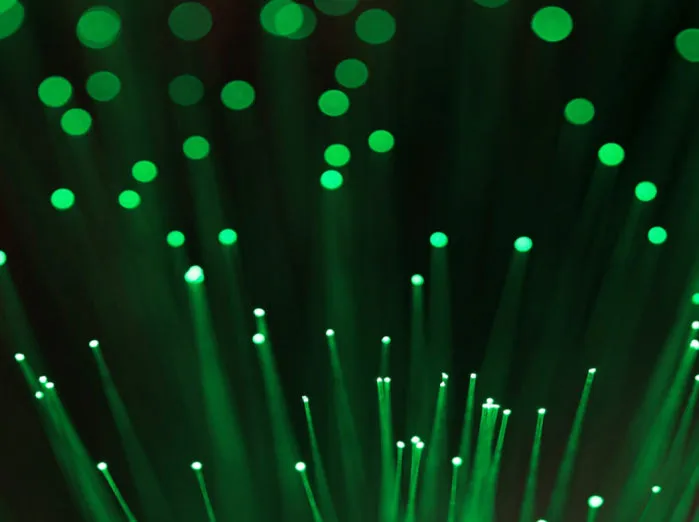
In the rapidly evolving world of telecommunications and data transmission, high-density fiber optic solutions are becoming essential to meet growing bandwidth demands. As networks expand and digital infrastructure becomes more complex, service providers and enterprises alike are seeking reliable, scalable, and efficient cabling systems. One solution that has emerged as a game-changer in this space is the 288ct fiber cable. Designed for large-scale deployments, this high-fiber-count cable supports massive data throughput, making it ideal for backbone networks, data centers, and metropolitan area networks. With its robust construction and optimized design, 288ct fiber offers future-proof performance while maintaining compatibility with existing infrastructure.
The term “288ct fiber” refers to a fiber optic cable containing 288 individual optical fibers within a single jacketed assembly. Each fiber strand is capable of transmitting data at extremely high speeds using light pulses, enabling terabit-level bandwidth across long distances. These cables are typically constructed using either loose tube or tight buffer designs, depending on the deployment environment. Loose tube configurations are commonly used in outdoor applications where protection against moisture, temperature fluctuations, and mechanical stress is critical. In contrast, tight buffer designs are preferred for indoor installations due to their flexibility and ease of termination.
One of the primary advantages of 288ct fiber is its scalability. By consolidating hundreds of fibers into one cable, network operators can significantly reduce clutter, minimize duct congestion, and streamline installation processes. This is especially valuable in urban environments where conduit space is limited and costly. Moreover, deploying a single high-count cable reduces the number of splices and connection points, which in turn lowers the risk of signal loss and maintenance issues over time. For telecom carriers building out 5G infrastructure or internet service providers expanding fiber-to-the-home (FTTH) networks, 288ct fiber provides an efficient way to deliver high-speed connectivity to thousands of users simultaneously.
Another key benefit lies in future readiness. As technologies such as cloud computing, artificial intelligence, and Internet of Things (IoT) continue to proliferate, the demand for bandwidth shows no signs of slowing down. Networks built today must be able to accommodate exponential growth in data traffic over the next decade. The 288ct fiber cable acts as a strategic investment by offering ample spare capacity. Even if only a fraction of the 288 fibers are initially activated, the remaining strands can be lit up as demand increases—without the need for new trenching or cabling projects. This “install once, use over time” approach not only saves capital expenditure but also minimizes disruption to communities during upgrades.

Durability and environmental resilience are also central to the design of modern 288ct fiber cables. High-quality versions are engineered with water-blocking materials, armored sheaths, and UV-resistant jackets to withstand harsh conditions. Whether buried underground, installed aerially, or routed through conduits, these cables maintain signal integrity under pressure. Additionally, many 288ct fiber products comply with international standards such as ITU-T G.652.D, ensuring low attenuation and high performance across both short and long-haul transmissions. Such reliability is crucial for mission-critical applications in sectors like healthcare, finance, and public safety.
When selecting a 288ct fiber solution, brand reputation and product quality play a decisive role. Among the leading manufacturers in the global market, OWIRE stands out for its innovation, consistency, and customer-focused engineering. OWIRE’s 288ct fiber cables are designed with precision, incorporating advanced materials and rigorous testing protocols to ensure optimal performance. Their loose tube cables feature gel-filled or dry core constructions that prevent water ingress, while their ripcords and printed markings simplify field identification and handling. Furthermore, OWIRE offers customizable options such as armored variants, different jacket colors, and flame-retardant ratings for specialized applications.
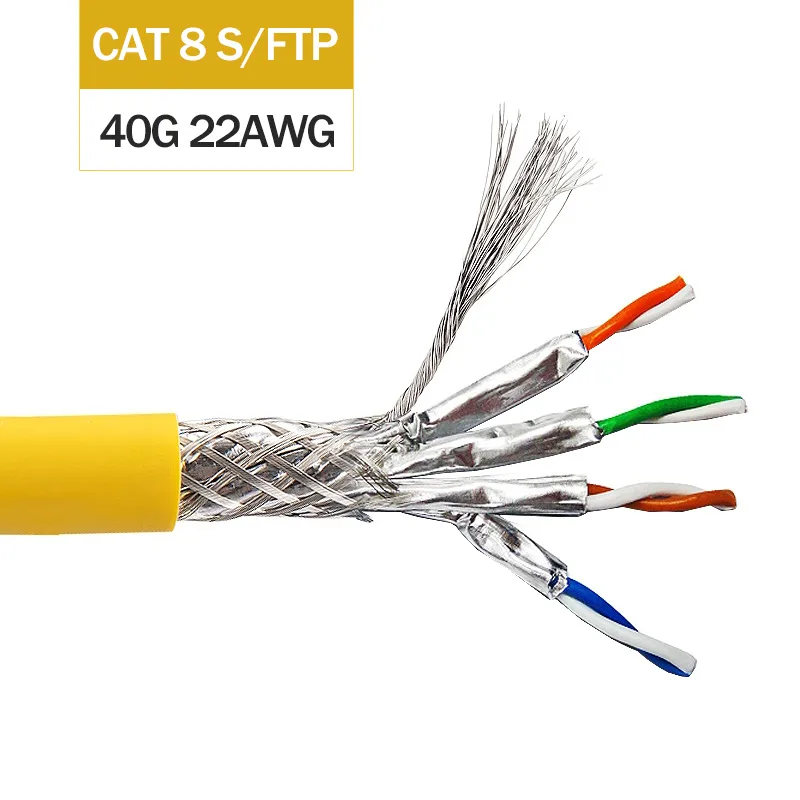
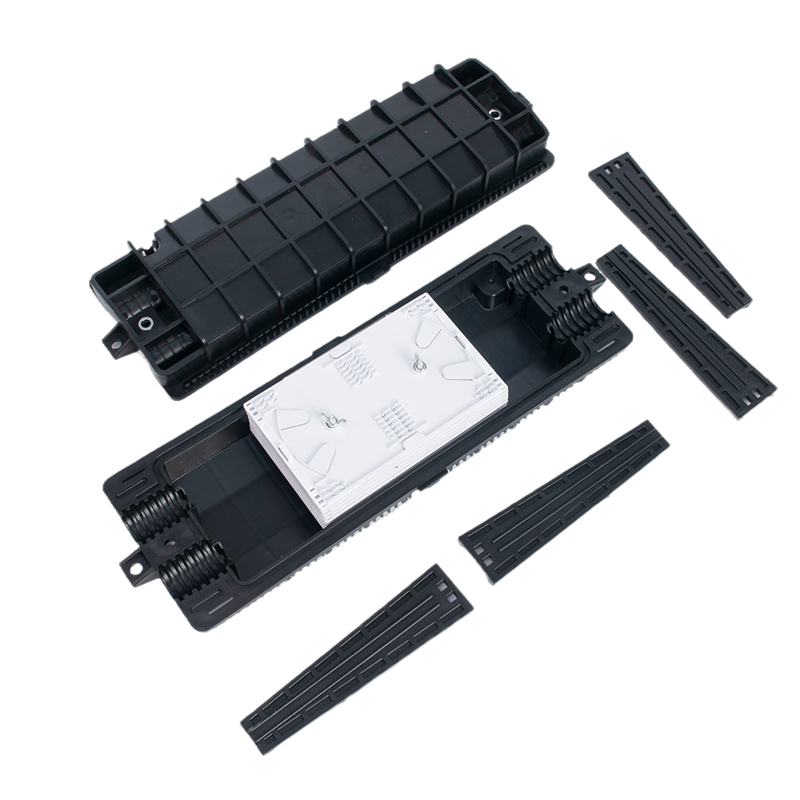
OWIRE’s commitment to quality extends beyond the physical product. The company provides comprehensive technical support, including installation guidance, splice closure recommendations, and compatibility assessments with common hardware like patch panels and distribution frames. This level of service is particularly beneficial for contractors and network planners who require seamless integration with existing systems. OWIRE also emphasizes sustainability, using recyclable materials and energy-efficient manufacturing processes—important considerations in today’s environmentally conscious marketplace.
Installation efficiency is another area where OWIRE’s 288ct fiber excels. Thanks to lightweight yet durable designs, these cables can be deployed using conventional pulling equipment without excessive strain on crews or infrastructure. The bundled fiber groups are often organized into subunits of 12 or 24 fibers, color-coded for easy management during splicing and termination. This modular architecture allows technicians to access specific fibers without disturbing others, reducing downtime and improving operational agility. For large data centers or campus networks, such organizational clarity translates into faster deployment cycles and lower labor costs.
In practical terms, the impact of choosing a high-performance 288ct fiber cable like those from OWIRE can be measured in both immediate and long-term gains. Immediate benefits include reduced installation time, fewer points of failure, and higher initial bandwidth availability. Long-term advantages encompass easier scalability, lower total cost of ownership, and enhanced network resilience. For example, a metropolitan fiber ring utilizing OWIRE’s 288ct cables could support multiple service tiers—from residential broadband to enterprise leased lines—on a shared physical layer, maximizing return on investment.
Moreover, as network virtualization and software-defined networking (SDN) become more widespread, the underlying physical layer must remain stable and high-performing. A weak link in the cabling infrastructure can undermine even the most sophisticated network management systems. By deploying OWIRE’s 288ct fiber, organizations ensure that their foundation is solid, allowing them to focus on optimizing higher-layer services rather than troubleshooting connectivity issues.
Security is another often-overlooked aspect of fiber optic deployment. Unlike copper cables, fiber does not emit electromagnetic signals and is inherently more difficult to tap without detection. The 288ct fiber configuration enhances this advantage by minimizing external access points. When combined with secure enclosures and monitoring systems, OWIRE’s cables contribute to a more secure communications ecosystem—vital for government agencies, financial institutions, and critical infrastructure operators.
Looking ahead, the role of 288ct fiber is expected to grow alongside emerging technologies like edge computing and smart cities. These applications require dense, low-latency connections between distributed nodes, and high-count fiber cables provide the necessary backbone. As 6G research begins and quantum communication explores new frontiers, the demand for ultra-reliable, high-capacity links will only intensify. Manufacturers like OWIRE are already investing in next-generation fiber designs, including bend-insensitive fibers and multi-core strands, to stay ahead of the curve.
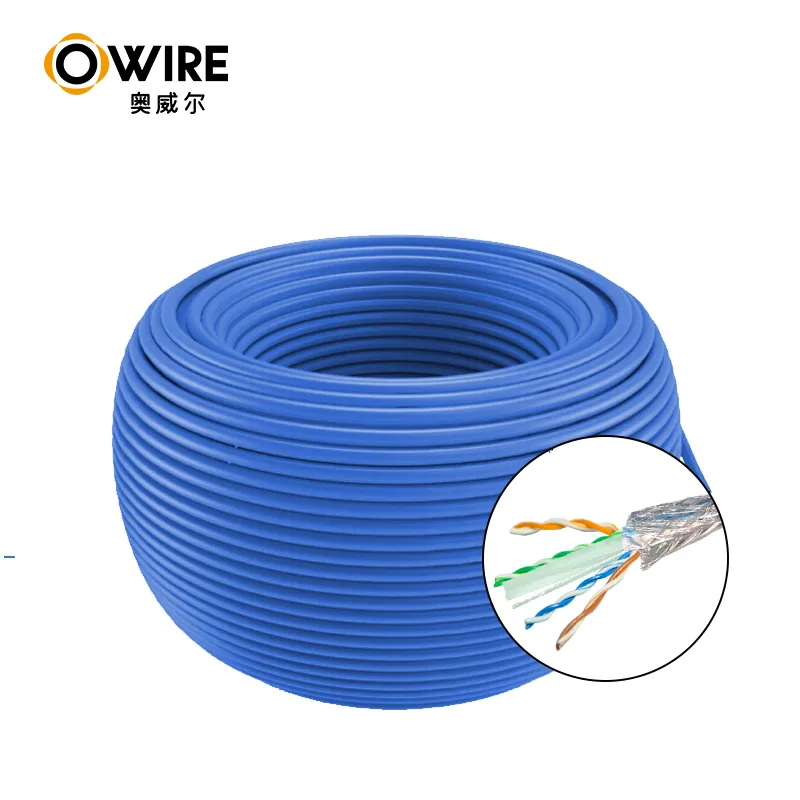
In conclusion, the 288ct fiber cable represents a pivotal advancement in modern network infrastructure. Its ability to deliver massive bandwidth in a compact, durable form factor makes it indispensable for current and future connectivity needs. From urban broadband expansion to inter-data-center links, this high-density solution enables faster, smarter, and more resilient networks. Among the available options, OWIRE distinguishes itself through superior build quality, technical expertise, and a forward-thinking approach to product development. For engineers, project managers, and decision-makers tasked with building scalable networks, choosing OWIRE’s 288ct fiber is not just a technical decision—it’s a strategic move toward sustainable, high-performance connectivity. As the digital age accelerates, investing in proven, high-capacity fiber solutions ensures that networks remain ready for whatever comes next.