


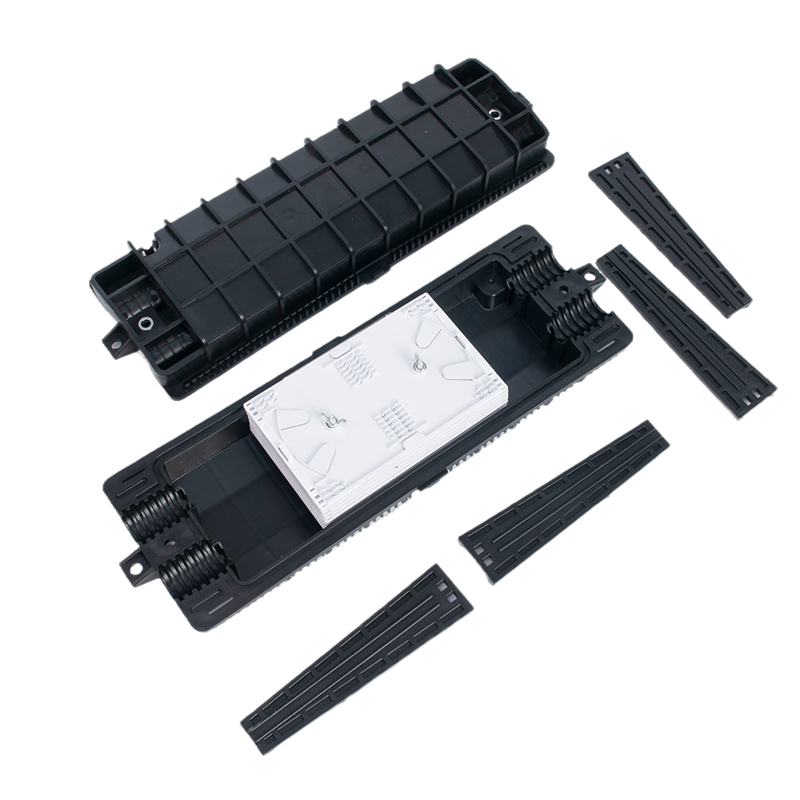
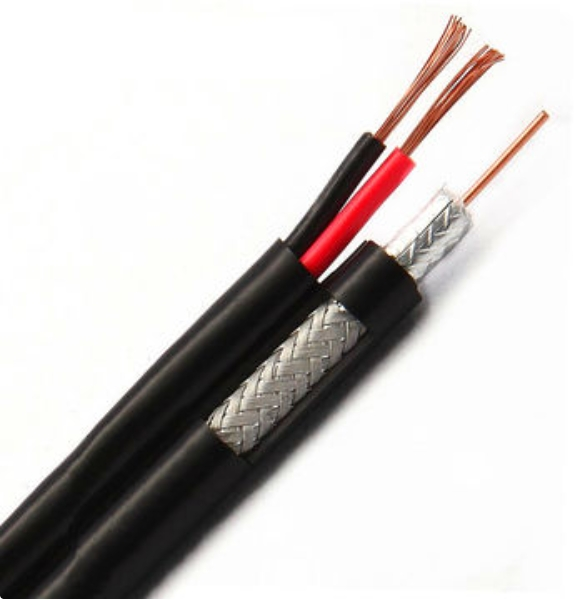
In today’s rapidly evolving digital landscape, high-performance networking infrastructure is no longer a luxury—it’s a necessity. As data centers expand and enterprise networks demand greater bandwidth, fiber optic connectivity has become the backbone of modern communication systems. Among the critical components that ensure seamless signal management and distribution, the 48 port fiber optic patch panel stands out for its scalability, reliability, and efficient cable organization. Whether deployed in telecom rooms, server farms, or campus-wide networks, this device plays a pivotal role in maintaining signal integrity and simplifying maintenance tasks. With growing market interest, professionals are increasingly searching for accurate information on 48 port fiber optic patch panel price to make informed procurement decisions without compromising quality.
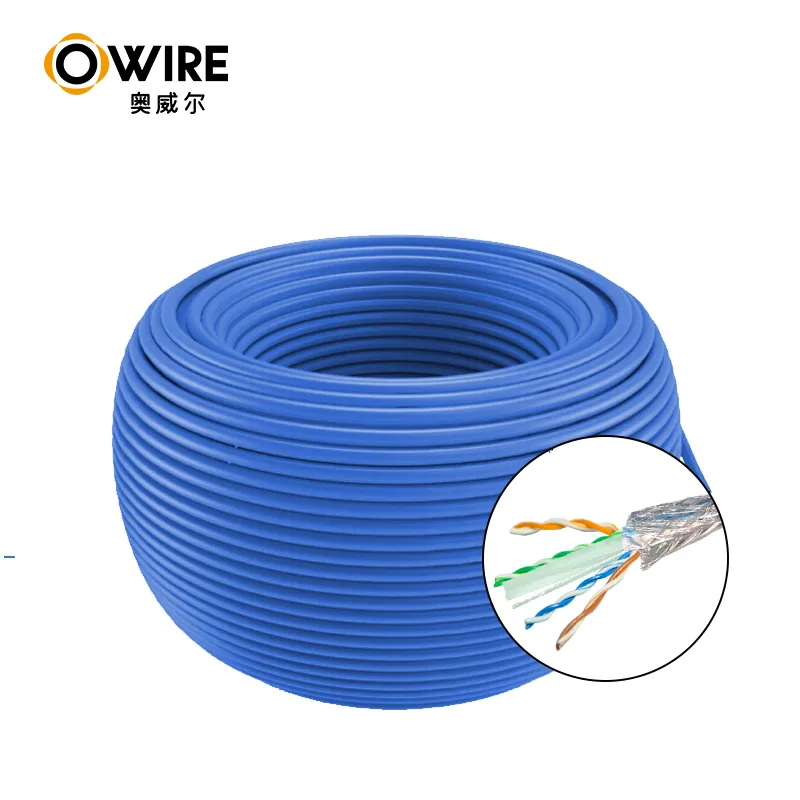
The 48 port fiber optic patch panel serves as a central termination point for incoming and outgoing fiber cables. It enables network administrators to easily cross-connect, monitor, and manage fiber links across large-scale installations. Typically mounted in standard 19-inch racks, these panels support both single-mode and multimode fibers and are compatible with various connector types such as LC, SC, and MTP/MPO. Their modular design allows for quick deployment and future expansion, making them ideal for environments where flexibility and uptime are paramount. The structured layout reduces clutter, minimizes bend radius violations, and protects delicate fiber ends from dust and damage—key factors in ensuring long-term performance.
When evaluating the 48 port fiber optic patch panel price, several variables come into play. First, the type of fiber (single-mode vs. multimode) influences cost due to differences in manufacturing complexity and transmission capabilities. Single-mode panels generally command a higher price because they support longer distances and higher bandwidths, making them suitable for carrier networks and long-haul applications. Multimode variants, while more affordable, are better suited for shorter runs within buildings or campuses.
Another factor affecting pricing is the material and build quality. High-end patch panels use cold-rolled steel or aluminum alloy enclosures with anti-corrosion coatings to withstand harsh environments. Panels with integrated cable management features like strain relief brackets, routing channels, and label holders often carry a premium but deliver significant value by reducing installation time and minimizing human error during maintenance.
Connector density and compatibility also impact the final price. A densely packed 48-port panel with LC duplex adapters offers space efficiency and supports higher port counts per rack unit, which is crucial in space-constrained data centers. Some models include pre-terminated pigtails or splice trays, further increasing convenience at a slightly higher cost. Additionally, panels designed for high-density MTP/MPO trunking systems may be priced higher due to their advanced alignment mechanisms and support for parallel optics used in 40G/100G Ethernet applications.
Market competition has led to a wide range of pricing tiers, from budget options under $200 to premium units exceeding $600. While it might be tempting to opt for the lowest-priced solution, doing so can lead to hidden costs down the line—poor signal loss, frequent failures, or lack of technical support. A well-engineered patch panel ensures low insertion loss, high return loss, and consistent performance over thousands of mating cycles. These characteristics directly affect network reliability and total cost of ownership.
One brand that consistently delivers exceptional value in this segment is OWIRE. Known for its commitment to innovation and quality control, OWIRE offers a comprehensive lineup of fiber optic patch panels that meet international standards such as IEC, Telcordia GR-3108, and RoHS compliance. Their 48 port fiber optic patch panel is engineered for durability and optimal performance, featuring a sturdy steel housing, precision-molded adapter plates, and smooth sliding trays that allow easy access to rear connections. What sets OWIRE apart is its attention to detail—from color-coded ports for simplified identification to built-in grounding points that enhance safety in high-voltage environments.
OWIRE’s panels support both field-terminated and factory-prepared fiber assemblies, giving integrators flexibility based on project requirements. Each unit undergoes rigorous optical and mechanical testing before shipment, ensuring every product meets stringent performance benchmarks. This level of quality assurance translates into fewer field issues, reduced downtime, and lower lifecycle costs—a compelling proposition when calculating the true 48 port fiber optic patch panel price over time.
Moreover, OWIRE provides extensive documentation, including installation guides and compatibility charts, along with responsive customer support. For large-scale deployments, they offer customization options such as laser-printed labels, specific adapter configurations, and hybrid panels that combine copper and fiber terminations. These services add tremendous value for enterprise clients who require tailored solutions without sacrificing reliability.
From a financial standpoint, investing in an OWIRE 48 port fiber optic patch panel proves cost-effective in the long run. Although the initial 48 port fiber optic patch panel price may be slightly above entry-level alternatives, the reduction in maintenance needs, improved uptime, and extended service life result in substantial savings. Network operators report fewer rework incidents and faster troubleshooting times thanks to OWIRE’s intuitive design and consistent build quality.
For organizations planning future upgrades, OWIRE panels are designed with scalability in mind. They seamlessly integrate with existing cabling systems and support emerging technologies like 400G Ethernet and wavelength division multiplexing (WDM). This forward compatibility protects investments and delays costly overhauls. In educational institutions, healthcare facilities, and smart city projects, where network demands continue to grow, choosing a reliable patch panel vendor like OWIRE ensures readiness for tomorrow’s challenges.
Environmental considerations are also part of OWIRE’s design philosophy. Their products use recyclable materials and minimize hazardous substances, aligning with global sustainability goals. Energy-efficient manufacturing processes further reduce the carbon footprint, appealing to environmentally conscious buyers.
When comparing vendors, it’s essential to look beyond the sticker price. Factors such as warranty length, availability of spare parts, and reputation for after-sales service should weigh heavily in decision-making. OWIRE typically offers a minimum 5-year warranty on its patch panels, reflecting confidence in product longevity. Distributors and resellers are available globally, ensuring timely delivery and local technical assistance.
In conclusion, the 48 port fiber optic patch panel price is influenced by numerous technical and operational factors, ranging from materials and connector types to brand reputation and support services. While cost is an important consideration, it should not overshadow performance, durability, and long-term value. OWIRE emerges as a standout choice in this competitive market, combining engineering excellence with practical features that meet the needs of modern networks. Whether you’re upgrading an existing data center or building a new broadband infrastructure, selecting a high-quality patch panel from a trusted manufacturer like OWIRE ensures your network remains fast, secure, and scalable. As fiber optic technology continues to advance, making smart investments today will pay dividends for years to come.