
Menu
Home > Fiber Optic Cable > Page 8
An optical fiber cable is a type of cable that contains one or more optical fibers, which are thin strands of glass or plastic used to transmit light signals over long distances. The fibers are bundled together inside a protective jacket made of materials like PVC or polyethylene.
The core of an optical fiber is extremely thin, typically around the diameter of a human hair, and is surrounded by cladding that has a lower refractive index than the core. This causes light to be reflected inside the core as it travels down the fiber, which allows it to travel long distances without significant loss of signal strength.
Characteristics
·Good mechanical and temperature performance
·High strength loose tube that is hydrolysis resistant
·Special tube filling compound ensure a critical protection of fiber
·Crush resistance and flexibility
·PE sheath protects cable from ultraviolet radiation
·100% cable core filling
Features:
·Can be installed without shutting off the power.
·Excellent AT performance. The maximum inductive
·at the operating point of AT jacket can reach 25kV.
·Light weight and small diameter reducing the load
·caused by ice and wind and the load on towers and backprops.
·Large span lengths and the largest span is over 500m.
·Good performance of tensile strength and temperature.
·The design life span is over 30 years.
Feature:
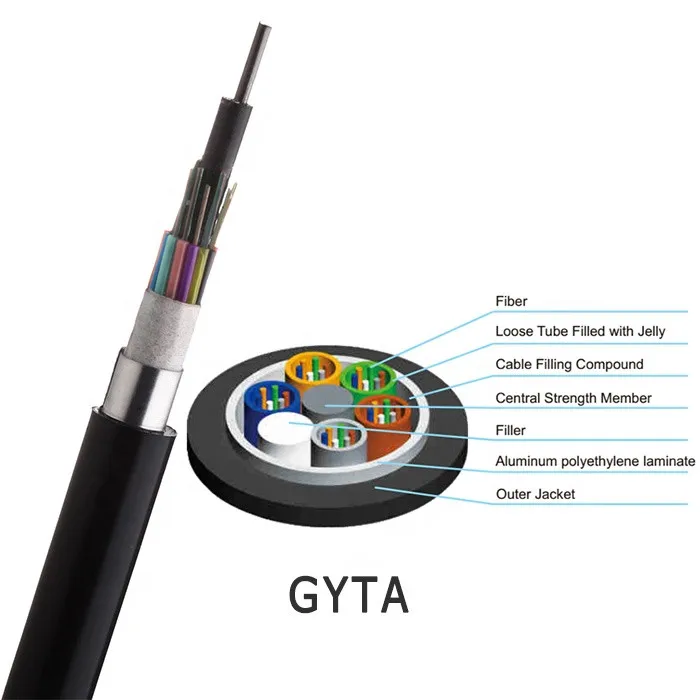
·Full cross-section water-blocking structure and double-sided coated film steel belt longitudinal application ensure good water blocking and moisture resistance.
·Loose tube is filled with special grease to ensure good water blocking and moisture performance
·The phosphate wire center stiffening member is of high modulus and corrosion resistance.
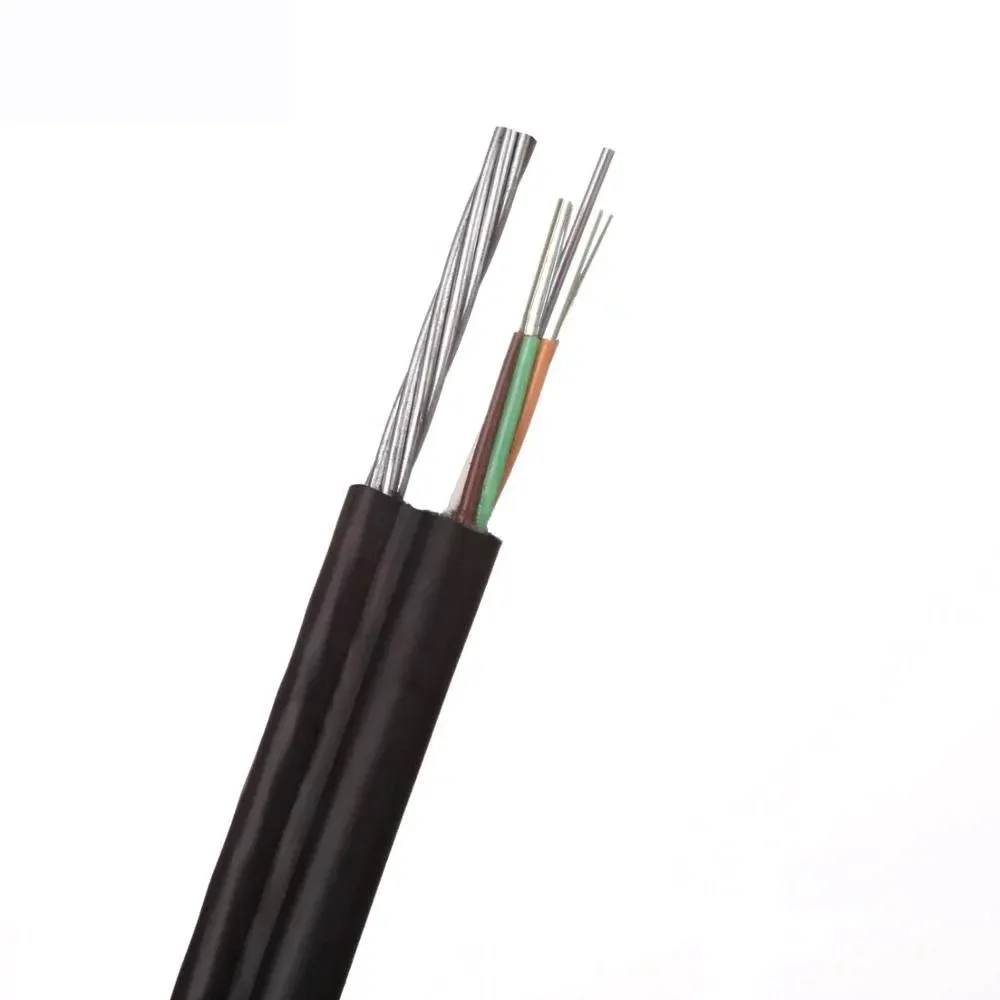
·The figure 8 aerial-self supporting structure is featured with high tensile strength, easy overhead laying, and low cost of installation.
·More than 30 years of service life.
Application
·Adopted to indoor distribution..
·As pigtail of communication equipment.
·Suitable for communication equipment served.
·Can be installed conveniently.
Applications:
·Data processing networks
·Optical access network
·Telecommunication networks
·Fiber optic communication networks
·CATV, LAN, WAN, Test &Measurement
product material
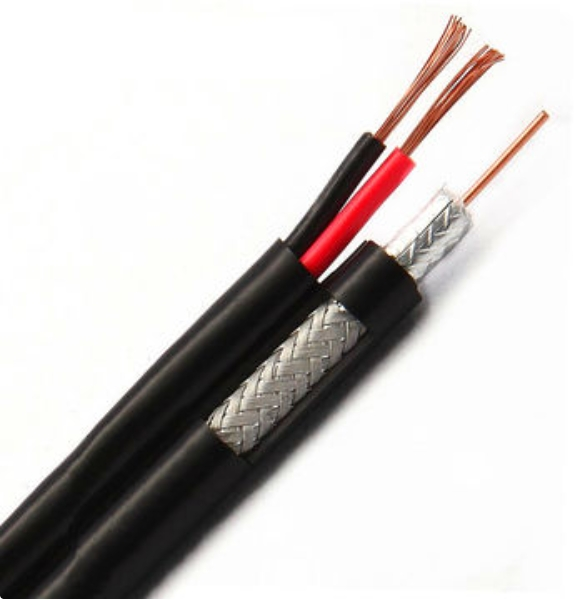
·High-purity oxygen-free copper
·insulating flame retardant layers
·fill layers
·waterproof layers
Features
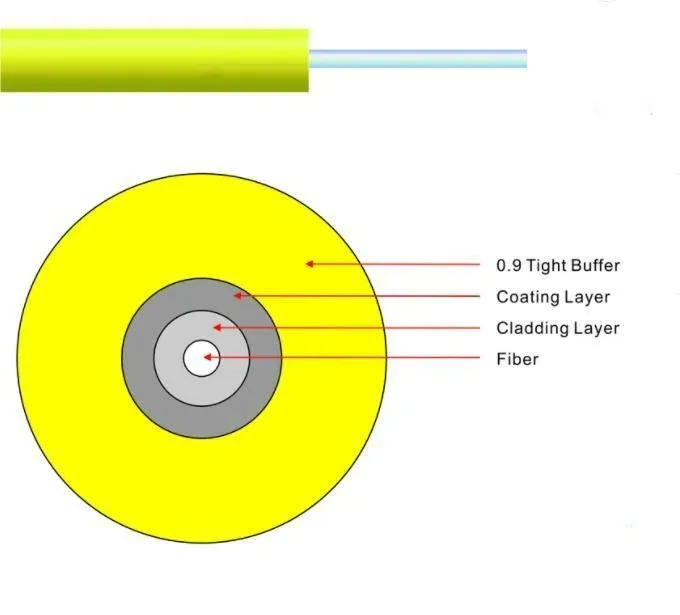
·Good uniformity of the outer diameter of tight buffer fiber and excellent strippability
·Good performance of flame-retardant
·Steady performance both in extremely high and low temperature
·Excellent geometrical dimension of the fiber
Introduction:
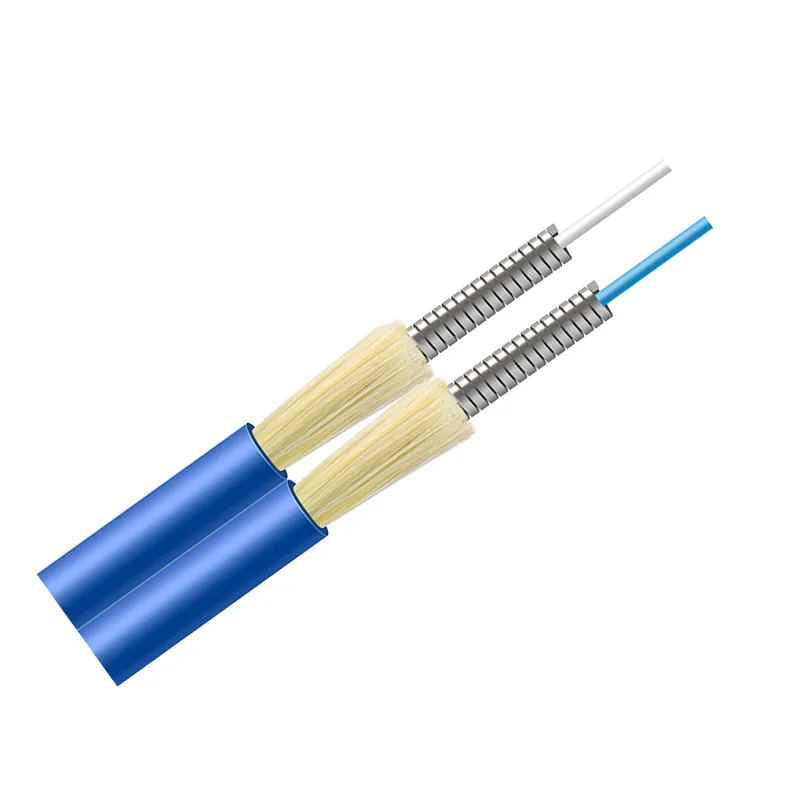
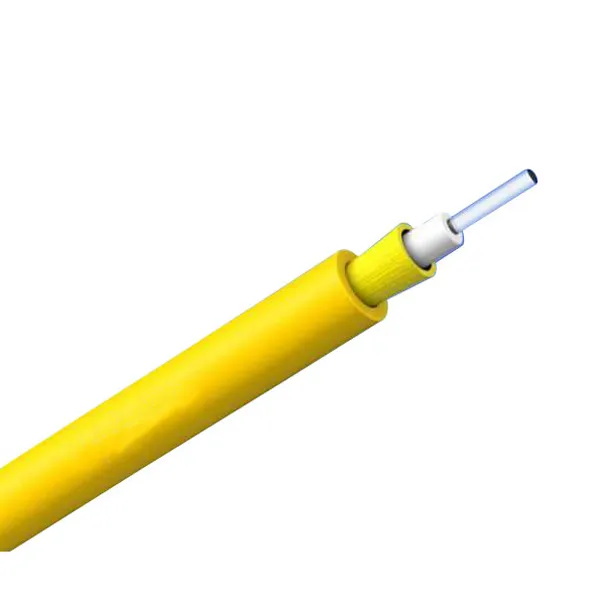
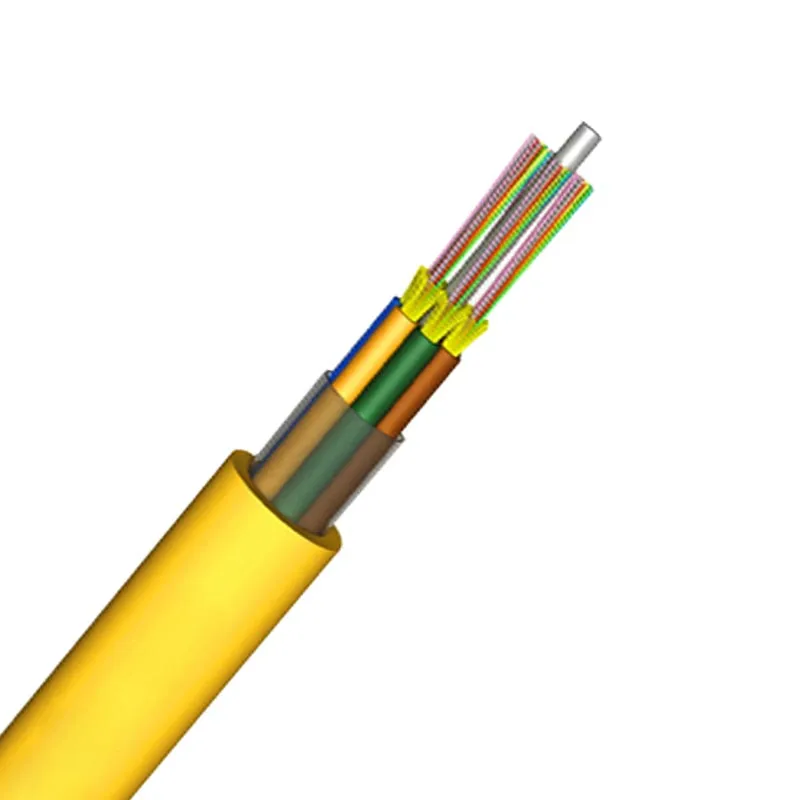
·metal free indoor cable
·each fiber strain relief
·for direct connector assembly with strain relief
·ripcord for easy jacket removal
·low smoke, halogen free and self-extinguishing
·cable with improved fire performance
·for SMARTLINE applications
·approved by Germanischer Lloyd and Lloyd’s Register
Features
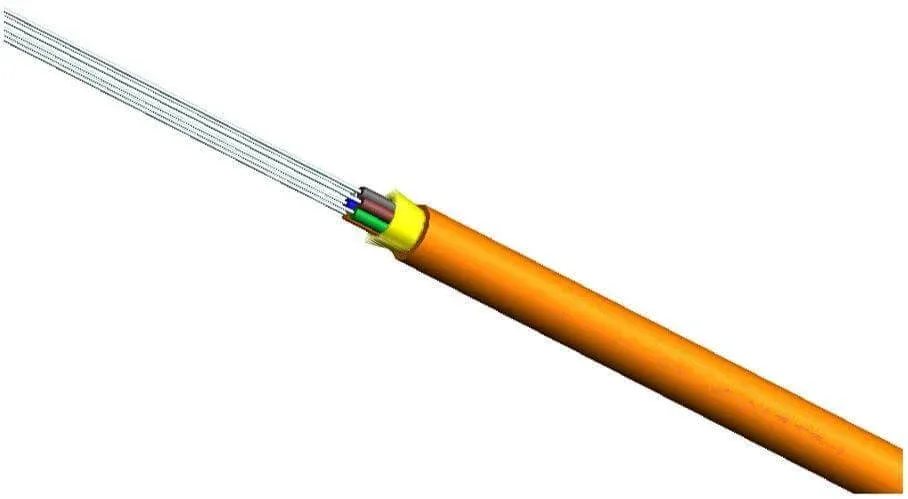
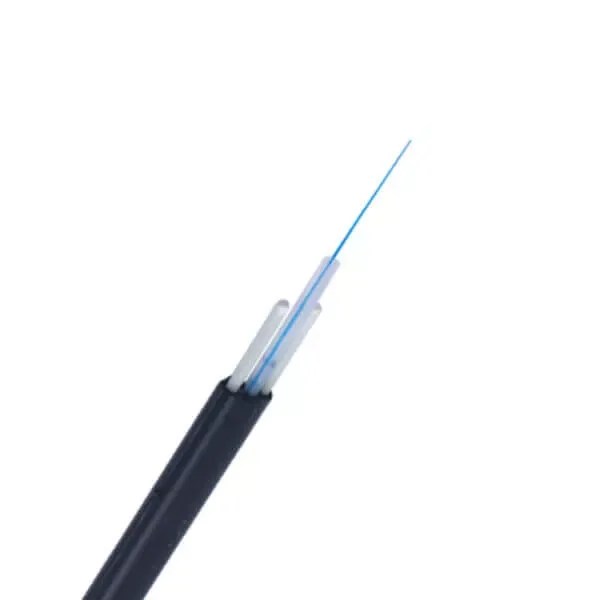
·Small size, Low cost.
·Up to 24 fibers.
·Uni-tube gel-filled construction for superior fiber protection.
·Two parallel FRP wire and overall glass yarn to enhance tensile resistant.
·And protect cable from mechanical damage.
·Designed for use with inexpensive attachment hardware.
·Self-supported no messenger needed.
Higher bandwidth: Optical fiber cables can support much higher data transfer rates than copper cables.
Longer distances: Optical fiber cables can transmit signals over longer distances than copper cables without requiring signal boosters.
Immunity to electromagnetic interference: Because they use light to transmit signals instead of electricity, optical fiber cables are immune to electromagnetic interference from other devices.
Thinner and lighter: Optical fiber cables are thinner and lighter than copper cables, making them easier to install and maintain.
Overall, optical fiber cables are a reliable and efficient way to transmit data over long distances, and are widely used in telecommunications and networking.
The three types of fiber optic cable are single-mode, multimode, and plastic optical fiber (POF).
Single-mode fiber optic cable has a small core diameter (typically 9 microns) that allows only one mode of light to propagate. This type of cable is used for long-distance communications and high-bandwidth applications.
Multimode fiber optic cable has a larger core diameter (typically 50 or 62.5 microns) that allows multiple modes of light to propagate. This type of cable is used for shorter distances and lower bandwidth applications.
Plastic optical fiber (POF) is made of polymer and has a larger core diameter (typically 1mm or larger) than glass fiber. This type of cable is less expensive than glass fiber and is used for short-distance communications and low-speed applications.
Fiber optic cables and HDMI (High-Definition Multimedia Interface) cables are designed for different purposes, so it’s not a question of which is better.
Fiber optic cables are primarily used for transmitting data over long distances and can carry large amounts of data with minimal signal loss. They are commonly used in telecommunications and networking applications, including high-speed internet connections.
HDMI cables, on the other hand, are designed to transmit high-quality audio and video signals between devices over shorter distances. They are commonly used to connect devices such as televisions, Blu-ray players, and gaming consoles to each other.
So if you need to transmit high-quality audio and video over a short distance, HDMI may be the best choice for you. But if you need to transmit large amounts of data over long distances with minimal signal loss, then fiber optic cables may be the better choice.
There is no difference between optical cable and fiber optic cable. “Optical cable” is a general term that refers to any type of cable that uses light to transmit information, while “fiber optic cable” specifically refers to a type of optical cable that uses thin strands of glass or plastic fibers to transmit light signals.
Fiber optic cables are often used in telecommunications and networking applications because they can transmit large amounts of data over long distances with minimal signal loss. They are also immune to electromagnetic interference, making them ideal for use in environments where there is a lot of electrical noise.
Other types of optical cables include plastic optical fiber (POF) which uses plastic fibers instead of glass fibers, and hybrid cables that combine both copper conductors and fiber optic strands in the same cable. These types of optical cables are typically used in shorter-distance applications such as home audio systems, lighting, and automotive sensors.